
Common cold: causes, course, medication and prevention
A cold (also known as a „flu-like infection“) is triggered by various viruses that inflame the mucous membranes in the nose, throat and bronchial tubes. They spread easily via droplets or smear infection. The cold itself is not a direct cause, but can increase the risk of infection due to dry air and irritated mucous membranes. Typical symptoms are
- Sore throat
- Runny nose (runny or blocked nose)
- Cough
- Fever (usually only mild)
- Headaches, aching limbs and general fatigue
Children often also have earache or stomach ache. On average, adults get 2-4 colds per year, children even get 6-8. In most cases, these subside after about a week; in individual cases, however, a cough can last up to three weeks.

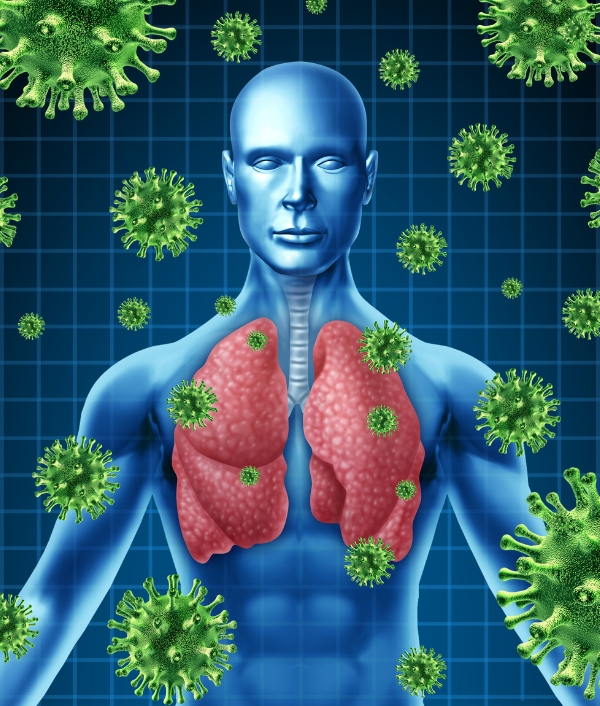
The course of a cold - what happens in the body?
After infection, viruses penetrate the mucous membranes and multiply. The immune system then sounds the alarm and triggers inflammatory reactions that cause a sore throat, runny nose or cough. Typical course:
- Incubation period (1-3 days): The viruses multiply, usually without you feeling any symptoms.
- Acute phase (day 4-6): The symptoms reach their peak. A scratchy throat, severe cold, cough and slight fever are now at their strongest.
- Recovery phase (from about day 7): The immune system has already fought off most of the viruses; the cold subsides.
Overall, a simple cold is usually harmless and heals without consequences. However, you often feel tired and exhausted for a few days until your body has fully recovered.
Cold remedies - what really helps?
There is no medicine that cures cold viruses. Medication for a flu-like infection only serves to alleviate symptoms. Important remedies are
- Pain and fever reducer: Ibuprofen or aspirin reduce fever and relieve headaches and aching limbs. Paracetamol or specially dosed paediatric ibuprofen (e.g. juice) are more suitable for children, as aspirin is only recommended from the age of 12.
- Decongestant nasal sprays/drops: Active ingredients such as xylometazoline clear the nose. However, they should only be used for a short time to avoid habituation effects.
- Cough remedy: Cough suppressants can help with a dry irritating cough. If the cough is phlegmy, mucolytics can be used.
- Further help: Lozenges or saline gargle solutions soothe the throat. Inhaling, drinking plenty of fluids and rest support recovery.
Antibiotics do not help with a normal cold, as this is caused by viruses. Before taking any medication, always seek medical advice or consult a pharmacist. You can find a detailed overview of symptoms and treatment on Austria's official health portal: gesundheit.gv.at - Flu-like infection.

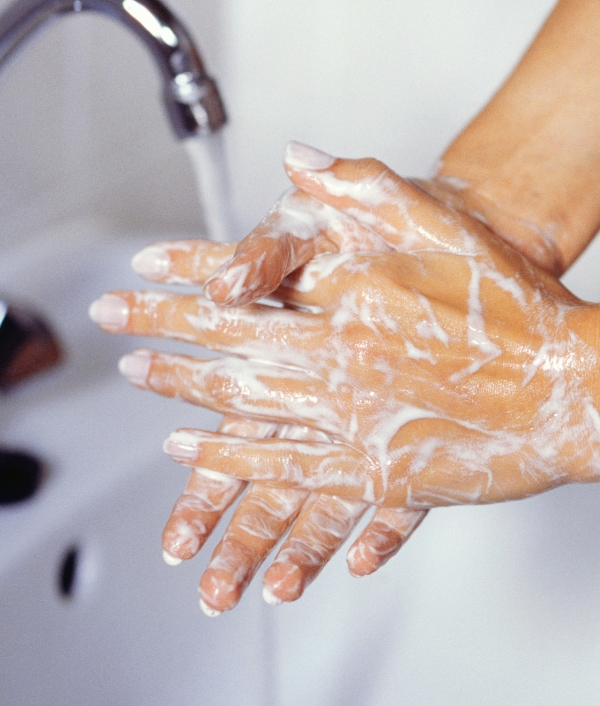
Prevention - how to avoid catching a cold
A strong immune system and good hygiene rules help to prevent them. The following reduces the risk of catching a cold:
- Hand hygiene: Wash your hands thoroughly on a regular basis and use the crook of your arm when coughing or sneezing.
- Lifestyle: Sufficient sleep, exercise and a balanced diet with plenty of fruit and vegetables strengthen the body's defences.
- Surroundings: Ventilate rooms regularly and keep the air moist so that the mucous membranes do not dry out. Wear warm clothing in winter.
- Minimise contact: Avoid encounters with people who have a cold and keep everyday objects clean.
There is no vaccine against the typical cold viruses, as they are very diverse. A flu vaccination only protects against influenza viruses, but can prevent severe cases of flu. This can significantly reduce the overall risk of catching a cold.