STDs & STD tests
STD is the abbreviation for „sexually transmitted disease“, while STI stands for „sexually transmitted infection“. Sexually transmitted diseases or sexually transmitted infections are a significant health risk worldwide, affecting millions of people.
Sexually transmitted diseases (STDs) - venereal diseases
For many years, the focus of health education was primarily on HIV infections, while other sexually transmitted diseases (STDs) have been neglected. This has led to an increase in infections in recent decades. STDs include chlamydia, HPV, genital warts, scabies, gonorrhoea, herpes, trichomonas and syphilis. These infections are caused by parasites, fungi, protozoa, bacteria and viruses and are mainly transmitted through sexual intercourse or, in rare cases, through close physical contact.
Bacterial sexually transmitted diseases include
- Gonorrhoea / gonorrhoea
- Chlamydia
- Lues / Syphilis
Viral sexually transmitted diseases include
- Herpes
- HPV / human papillomaviruses
- Hepatitis A, B, C
Sexually transmitted diseases can cause similar symptoms such as discharge, burning when urinating, itching, skin changes, pain in the lower abdomen or swollen lymph nodes. A doctor should be consulted immediately if such symptoms occur. Only a doctor can make an accurate diagnosis and offer appropriate treatment if necessary.
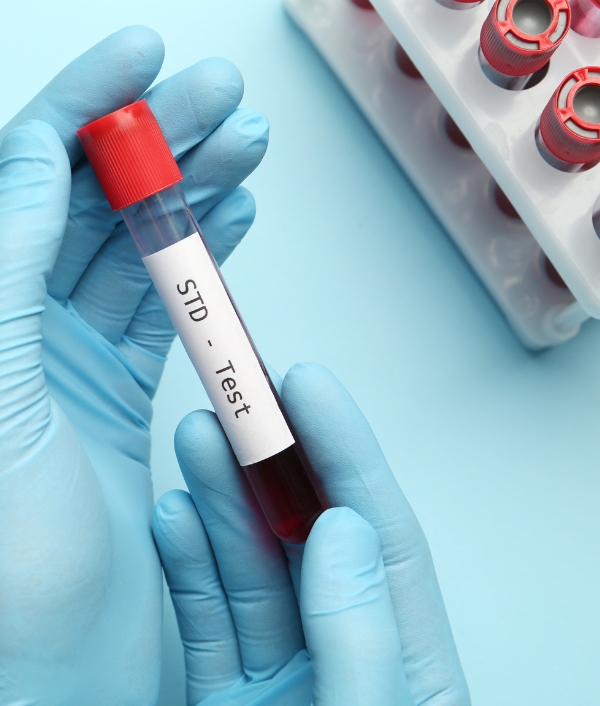
Treatment and protection against sexually transmitted diseases (STDs)
If sexually transmitted diseases are not treated, serious health consequences can occur. Untreated infections can spread throughout the body and damage various organs. There is also a risk that untreated STIs can be transmitted to other sexual partners. Therefore, regular examinations should be carried out by everyone, especially people at high risk of infection.
Protective measures against sexually transmitted diseases
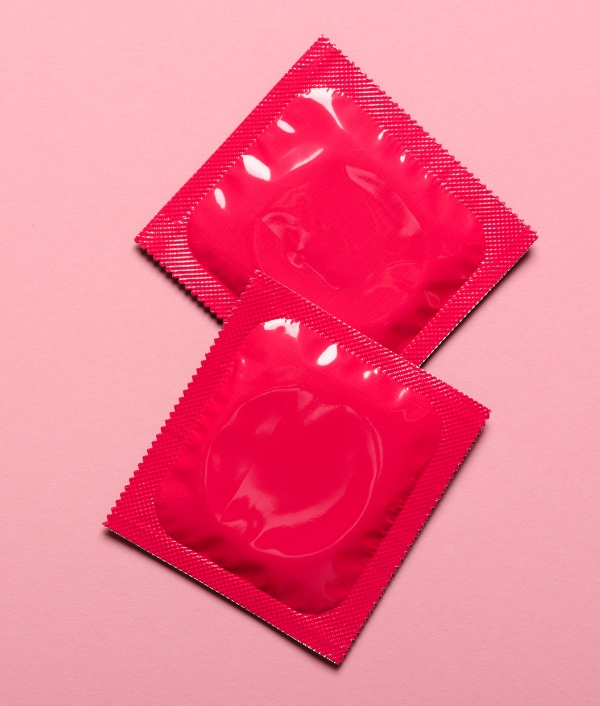
The best protection against sexually transmitted diseases (STDs) includes the use of condoms, avoiding contact with blood or open skin and good hygiene practices. Vaccinations such as against hepatitis A, B and HPV also offer effective protection against infections. Nevertheless, pathogens such as chlamydia or gonococci can easily be transmitted during sexual contact, which is why condoms cannot guarantee complete protection. At the first symptoms, those affected should consult a doctor immediately in order to receive adequate treatment.
Types of sexually transmitted diseases (STDs) - STDs
From bacterial infections to viral sexually transmitted diseases - here are the most common sexually transmitted diseases:
- HIV & AIDS: The human immunodeficiency virus (HIV) is a virus that weakens the immune system and can lead to AIDS (Acquired Immune Deficiency Syndrome). With appropriate therapy and medication, HIV-positive people are not contagious.
- Gonorrhoea (gonorrhoea): A bacterial infection that affects the urethra, cervix, anus or throat. If gonorrhoea is not treated, it can lead to Late effects come.
- Chlamydia: A common bacterial infection that leads to Inflammation of the genitals but in many cases remains undetected and therefore untreated.
- Syphilis: A bacterial infection that occurs in different stages and can cause serious health problems if left untreated. Antibiotics are an easy way to combat this.
- Genital herpes: A viral infection that causes painful blisters in the genital area and can occur in regular episodes. Genital herpes facilitates infection with other STDs.
- HPV (human papillomaviruses): A group of viruses that can cause warts in the genital area and are associated with cervical cancer. For everyone up to the age of 30, the HPV vaccination free of charge in Austria.
- Hepatitis B and C: Viral infections that can cause inflammation of the liver and are transmitted via infected blood or sexual contact. The disease can Various symptoms can be treated with the right medication.
- Mpox (monkeypox): An extremely rare infection with a virus that is related to the smallpox or cowpox viruses. The Illness is notifiable and can lead to complications; protection is provided by the corresponding vaccination.
It is important that you know about sexually transmitted diseases to minimise your risk and that of others and to seek medical help quickly if you are infected. Protective measures such as condoms and regular testing can help to minimise the spread of sexually transmitted diseases and protect yourself.
Tip: Condoms are available free of charge at the Johann Strauss Pharmacy.

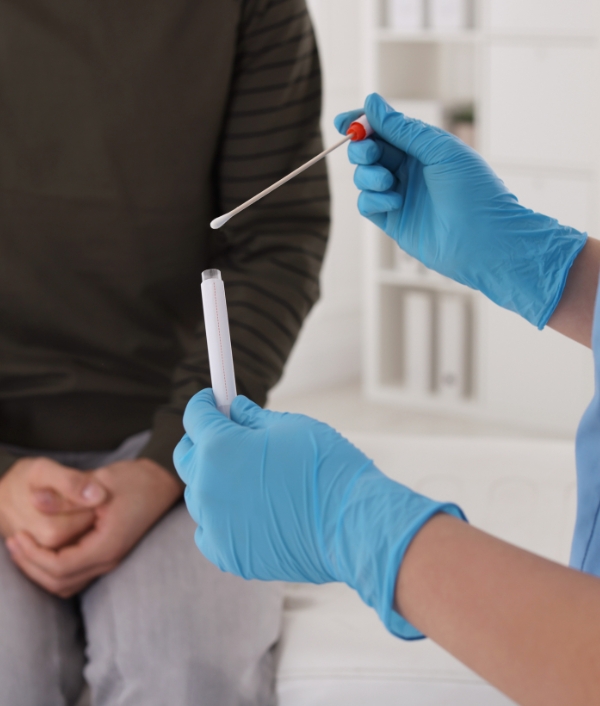
Testing options for sexually transmitted diseases (STDs)
Which STDs can be tested?
Chlamydia, HPV, gonorrhoea, syphilis and other sexually transmitted infections can be reliably detected using modern tests. This means that common and less well-known pathogens can be recognised so that action can be taken in good time.
How do these tests work?
Depending on the disease, the tests are carried out using blood samples, urine samples or swabs from affected areas of the body. The tests are painless, quick and discreet, so you can be tested without much effort.
When should you get tested?
A test is recommended after unprotected sexual intercourse if you notice symptoms or suspect an infection. Early detection not only protects your own health, but also that of your partner.
Where can you get tested? Where can I get an STD test?
STD tests are available from medical specialists, in health clinics or even discreetly at home. Johann Strauss Pharmacy available. So you can find a place that suits your needs and your privacy.
What to do if the test result is positive?
If the test is positive, you should seek medical advice immediately in order to start targeted treatment. In this way, possible complications can be avoided and the infection can be treated effectively.
Available STD tests
In our pharmacy you will find discreet and reliable STD tests for initial diagnosis:
- Autotest VIH from Ratiopharm (€ 31.00) - HIV self-test with blood sample, result in 15 minutes.
- Viola Chlamydia rapid test (€ 20,90) - Detection of chlamydia, especially for women, result in a few minutes.
- Veda.Lab... SYPH-Check-1 (1 piece) (€ 19,90) - Simple syphilis test with quick result evaluation.
Note: These STD tests do not replace a medical diagnosis. If the result is positive or unclear, please consult a healthcare professional. We will be happy to advise you.
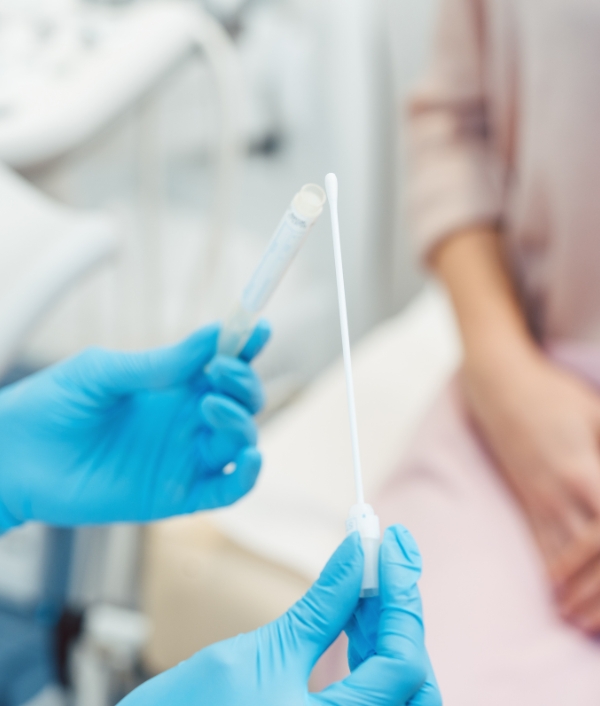
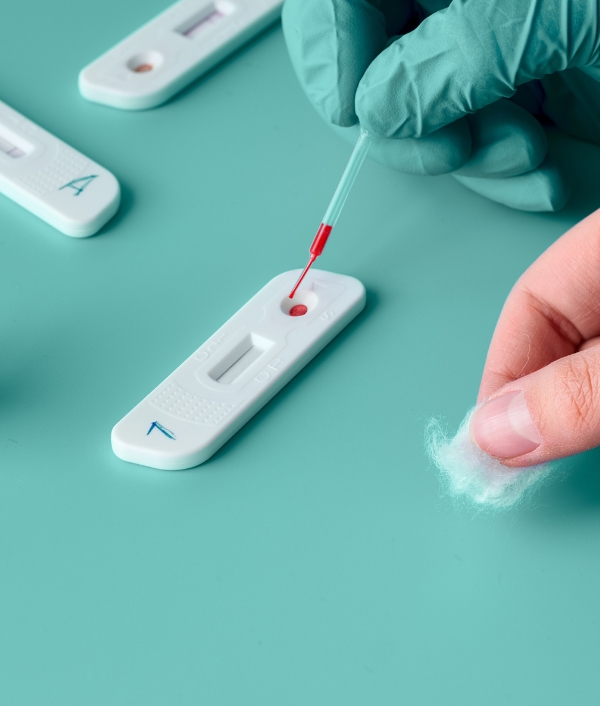
STD rapid tests in your pharmacy - discreet & reliable
Get tested for HIV, hepatitis C, syphilis, gonorrhoea and chlamydia - results in a short time, book your appointment directly
At the Johann Strauss pharmacy in 1040 Vienna, we offer you discreet and reliable STD rapid tests with a short waiting time for the result. You can have tests for HIV (€35), hepatitis C (€23), syphilis (€29), gonorrhoea (€19) and chlamydia (€30) carried out at our pharmacy. The HIV+syphilis combined test (€49) and a comprehensive all-round screening (€121) are also available. Samples can be taken easily using the fingertip or a self-swab. In the event of a reactive result, we work closely with cooperating doctors to enable reliable clarification and, if necessary, treatment. Please note the diagnostic windows of the tests. Book your convenient appointment now and take care of your sexual health.