
Pollen allergy
A pollen allergy is a widespread allergy in which the immune system reacts hypersensitively to pollen. You will find the most important information below.
What is a pollen allergy?
A pollen allergy, also known as seasonal allergic rhinitis or hay fever, is an allergic reaction of the immune system to pollen released by plants. Pollen are tiny particles produced by trees, grasses, weeds and flowers and are used to pollinate plants.
In people with pollen allergies, the immune system mistakenly recognises pollen as harmful and reacts with an excessive release of histamine and other chemicals, which typically cause allergic symptoms.
Typical symptoms of a pollen allergy
Typical symptoms of a pollen allergy, also known as hay fever or seasonal allergic rhinitis, can include the following:
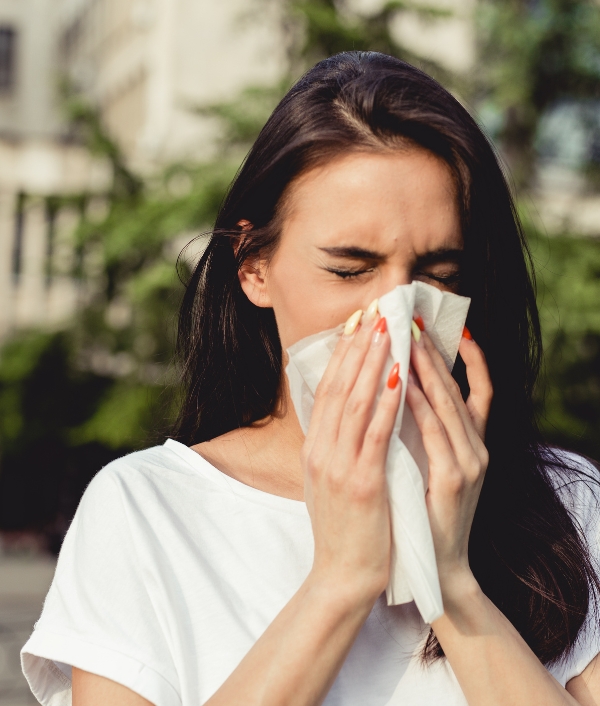
- Sneezing: Frequently and repeatedly.
- Nose: Running or blocked.
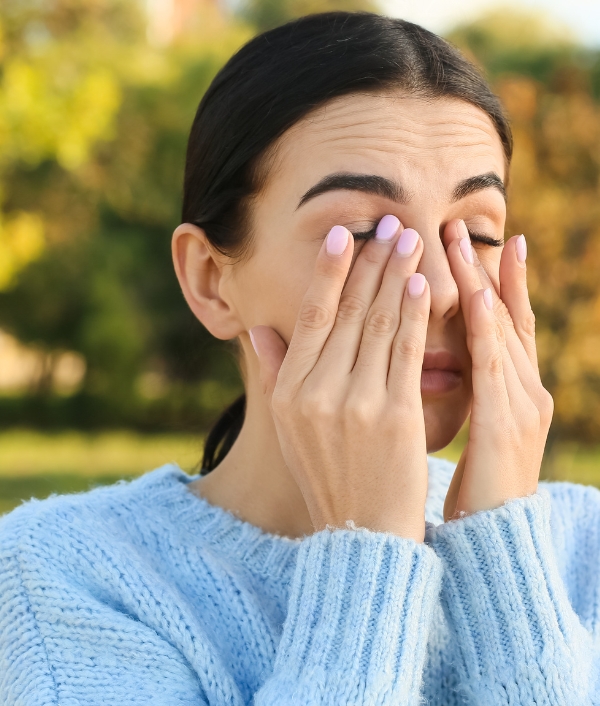
- Eyes: Itchy, reddened, watery.
- Cough: Dry irritating cough.
- Breathing: Shortness of breath or tightness.
- Tiredness: General malaise.
- Skin rashes: Hives or eczema on contact with the skin.
It is important to note that the symptoms of pollen allergies can vary from person to person and may depend on the type of pollen a person is allergic to. If you suspect that you are suffering from a pollen allergy, it is advisable to consult a doctor to get an accurate diagnosis and discuss appropriate treatment.
Tips for the allergy season
During pollen season, there are several steps you can take to relieve your allergy symptoms and minimise your exposure to pollen. Here are some tips:
- Avoid pollen: In the peak season, especially on windy days, stay indoors if possible and keep windows closed.
- Change clothes & shower: Remove pollen after being outside.
- Use an air purifier: HEPA filters help to reduce pollen indoors.
- Wear pollen protection: Masks provide protection during outdoor activities.
- Take medication: Antihistamines and the like alleviate symptoms.
- Outdoor planning: Carry out activities at low pollen concentrations.
- Check the pollen count calendar: This way you know when the load is at its highest.
By taking these measures, you can better control your allergy symptoms during the pollen season and improve your quality of life. If you find it difficult to manage your symptoms, talk to your doctor about other treatment options.


Pollen information
The following link will provide you with up-to-date information on the current pollen count and other interesting information on the subject of pollen allergies:
We will be happy to advise you personally and competently on appropriate medication in our pharmacy. Do you have any questions on this topic? Then give us a call on: +43 1 50 52 164 or write to us here.