HIV injection as a form of therapy
HIV therapy in the form of injections is showing promising results and could offer a ground-breaking alternative to daily tablets. Studies, such as the one from Canada on a 48-week treatment with monthly injections, indicate comparable efficacy to oral medication. This therapy could be particularly attractive for people who have difficulty taking tablets regularly.
What is the HIV injection?
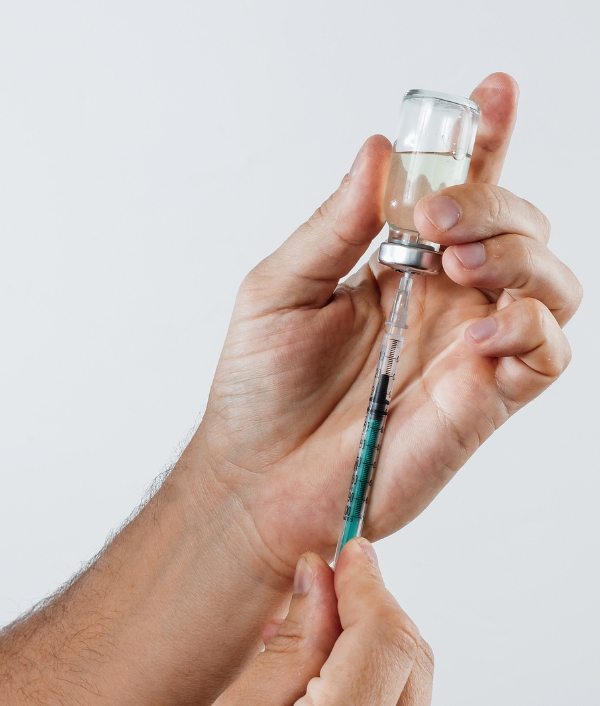
The HIV injection, officially known as long-acting injectable antiretroviral therapy, is a new method of HIV treatment. It replaces the daily intake of antiretroviral tablets with a monthly or bi-monthly injection. Two active substances - cabotegravir and rilpivirine - are injected into the muscle, releasing them continuously over a longer period of time. This prevents the virus from infecting new cells and multiplying. The advantage of this method lies in its convenience and discretion, as patients do not have to remember to take their medication every day. Especially for people with a hectic lifestyle or those who suffer from a certain amount of therapy fatigue, injection therapy can be a considerable relief.
In addition, the HIV injection also reduces the risk of forgetfulness, which can be a problem when taking tablets every day. Studies show that even occasionally forgetting to take tablets can jeopardise the effectiveness of the therapy and lead to the development of resistance. Injection therapy eliminates this risk by providing patients with protection for weeks without having to remember to take them every day.
Clinical studies and successes
In clinical studies conducted over a period of 48 weeks, the monthly HIV injection showed impressive results. According to the studies, the viral load remained below the detection limit in 94 % participants, which means that the virus is no longer detectable in the blood. These results are comparable to traditional therapies based on the daily intake of tablets. It is noteworthy that patient satisfaction with the injectable therapy was significantly higher, as it reduced the burden of daily medication intake.
Another important advantage of injection therapy is the long-term stability of the viral load. During the entire study period of 48 weeks, the viral load remained stable and no serious side effects were reported. This indicates that the HIV injection is not only effective but also safe. The study results open up new possibilities for HIV treatment and could become the preferred form of therapy for many patients in the future.


Advantages of the HIV injection
The benefits of HIV injections are numerous and go beyond mere convenience. For people who struggle with HIV stigma or want to hide their disease from others, the monthly injection offers more discretion than taking daily pills. It also reduces the risk of medication errors associated with oral therapies if patients forget to take their medication or take it incorrectly. Injection therapy can be an important support, especially for patients who have difficulty taking their medication regularly, such as those with an unstructured daily routine or mental stress.
Another advantage is the reduction of side effects that can occur with the long-term use of tablets. The single monthly injection can lead to less gastrointestinal discomfort for some patients, which is often associated with tablets. At the same time, injection therapy offers a high degree of flexibility and makes it easier for patients to continue their therapy even if they are travelling or on holiday.
The future of the HIV injection
Injection therapy could become the standard treatment for many people with HIV in the near future, especially for those who have difficulty taking their daily dose. Current studies show that this form of therapy is not only effective, but also safe and ensures a stable viral load over a longer period of time. At the same time, further long-term studies are underway to confirm the safety and efficacy of injection therapy over several years. .
Another promising aspect of the research is the development of even longer-acting injections, which may only need to be administered every two or even three months. This could further reduce the treatment burden and facilitate access to treatment for people living in remote areas or in difficult conditions. The future of HIV treatment appears to offer a significant improvement in quality of life for millions of people worldwide through these new innovations. Sources: Schalk:Pichler group practice, springermedizin.de