European Immunisation Week 2025 - Your vaccination, your protection
The European Immunisation Week 2025 takes place from 27 April to 3 May 2025 and is organised under the motto: „Vaccinations for all are humanly possible“. The aim of this year's campaign is to achieve high and consistent immunisation coverage in all communities to prevent outbreaks of vaccine-preventable diseases now and in the future. The WHO emphasises the importance of vaccination measures for the prevention of diseases and the protection of human life. Particular attention is paid to cooperation with young professionals and youth organisations that are committed to vaccination measures.
Our campaigns for European Immunisation Week 2025
As part of European Immunisation Week 2025, we are setting an example for health and prevention - with two exclusive offers for you:
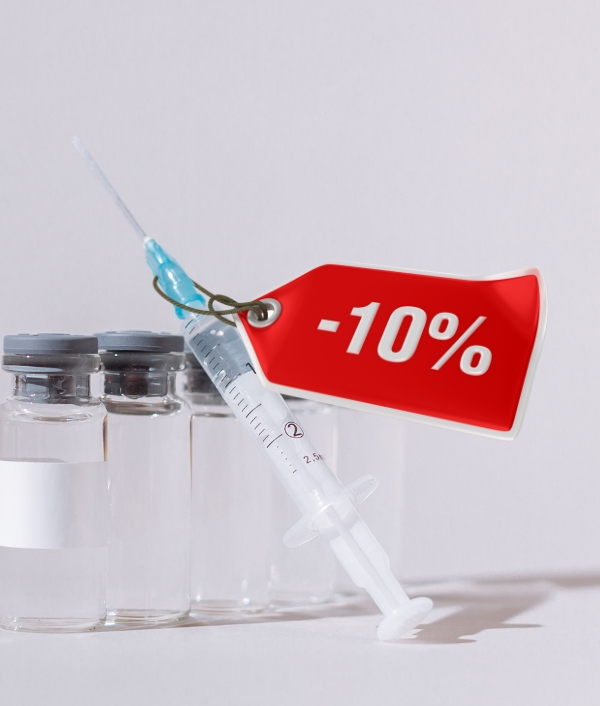
10 % discount on all vaccines*
Whether travel vaccination, booster or basic immunisation - during the vaccination week you will receive a 10 % discount on all vaccines in our range.
Free vaccination certificate check
Simply bring your vaccination card with you - we will check whether it is up to date free of charge and advise you on possible boosters or missing entries.
Our offers are valid from 27 April to 3 May 2025 for people of all ages. Whether it's been a few years since your last vaccination or you simply want to make sure you are fully protected, we can provide you with competent and personalised support.
*This discount is only valid in the Johann Strauss pharmacy and does not apply to prescription fees. Most vaccines require a prescription - please ask your doctor or pharmacy.
Which vaccinations are particularly important for whom?
Full immunisation protection is crucial at any age - but recommendations vary depending on the stage of life and situation:
- Children & young people: Basic immunisations against measles, mumps, rubella, diphtheria, tetanus, whooping cough, polio and HPV are essential. They provide early protection against serious diseases and prevent outbreaks.
- Adults: Booster immunisations against tetanus, diphtheria and whooping cough are recommended every 10 years. Measles immunisations should also be checked - especially for those born after 1970.
- Travellers: Depending on your destination, vaccinations against hepatitis A and B, typhoid, yellow fever or rabies may be advisable. Seek advice in good time before travelling.
- Senior citizens: Vaccinations against influenza, pneumococcus and shingles are recommended for people aged 60 and over to prevent complications.
- Risk groups & working people: People with chronic illnesses or in medical professions often need extended protection.
Protection through prevention
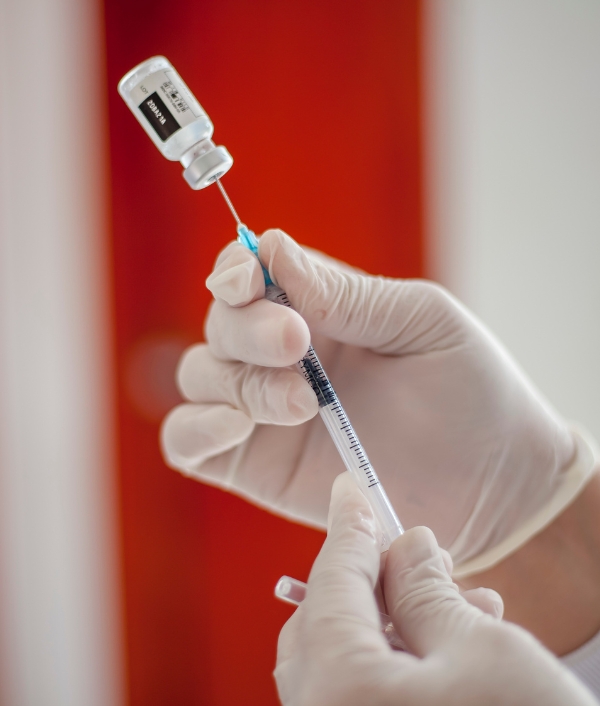
Preventive measures such as immunisation are among the most effective tools of modern medicine. They not only prevent the spread of dangerous diseases, but also help to stop outbreaks of disease and safeguard the health of entire communities. The collective effect is particularly valuable: the more people are protected, the more difficult it is for viruses or bacteria to spread. This also protects those people who cannot be immunised themselves for health reasons.
European Immunisation Week 2025: Vaccination as the key to protection
Preventive care not only protects individuals, but also helps to strengthen the social health network. These preventive measures are not only safe and sustainable, but have also been scientifically tested and are considered one of the most effective ways of avoiding serious illnesses and long-term health consequences. Through this form of prevention, we all make an important contribution to the well-being of the community.
Vaccination against gonorrhoea - a new approach
Did you know that you can be vaccinated against gonorrhoea? Although there is still no officially authorised vaccine specifically against gonorrhoea, research is making great progress. Surprisingly, a meningococcal B vaccine, which was actually developed against meningitis, also showed a protective effect against gonorrhoea in studies. The reason for this lies in the genetic similarity of the two types of bacteria.
In a New Zealand study, vaccinated people were around 30 % less likely to contract gonorrhoea - a promising start in the fight against an infection that is becoming increasingly resistant to antibiotics.
Questions & answers about vaccinations
Why are vaccinations necessary at all?
Vaccinations not only protect the vaccinated person, but also the community against infectious diseases.
How often do I need to top up my immunisations?
Many vaccinations (e.g. tetanus, diphtheria) should be refreshed every 10 years - others last a lifetime.
Which vaccinations are compulsory in Austria?
There is no general compulsory immunisation, but some vaccinations are recommended by law - e.g. measles for children starting school.
What happens if I have forgotten a vaccination?
Many vaccinations can easily be caught up on - even years later.
Are vaccinations safe?
Yes, vaccines undergo strict testing procedures and are continuously monitored.
What side effects can occur?
Usually only mild symptoms such as redness or swelling at the injection site - serious reactions are extremely rare.
How do I find out which vaccinations I am missing?
With a vaccination record check at your doctor's or pharmacy.
Can I have several vaccinations at the same time?
Yes, many vaccines can be combined without any problems.
Do I still have to have vaccinations as an adult?
Absolutely - vaccinations are not a matter for children or travellers, but a lifelong precaution.
What vaccinations do I need for travelling?
This depends on the destination - often recommended: Hepatitis A/B, typhoid, yellow fever, rabies.