Allergy season 2026 in Austria
Forecast for Austria
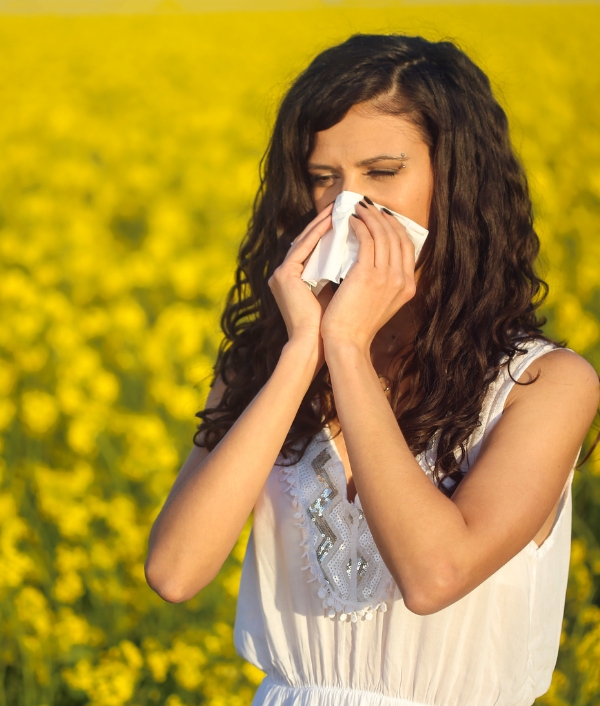
The 2026 allergy season in Austria is expected to start earlier than last year. The pollen count of hazel and alder already increases significantly in late winter. Warm phases in March and April further increase the pollen count. For allergy sufferers, this means that symptoms can start early in the year.
In addition to temperature and weather, climate change also influences the course of the disease. Earlier flowering phases lead to an extended pollen season - and therefore to more days with symptoms. Up-to-date information on the pollen count helps you to prepare in good time.
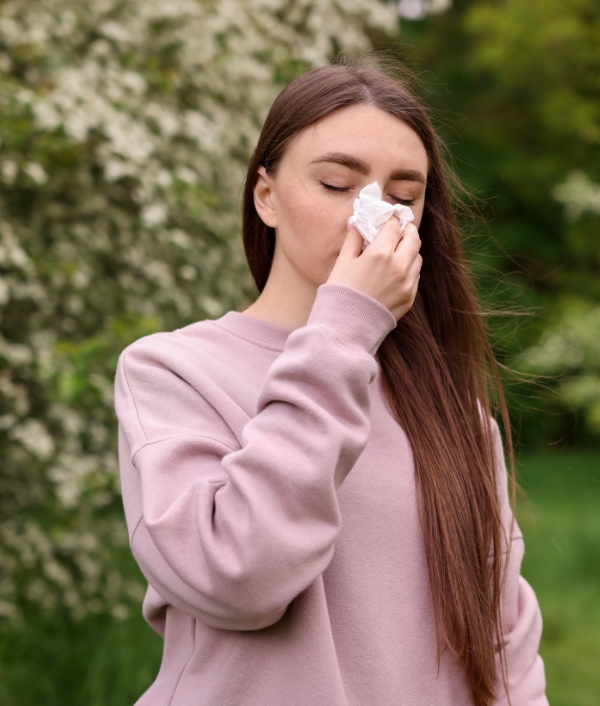
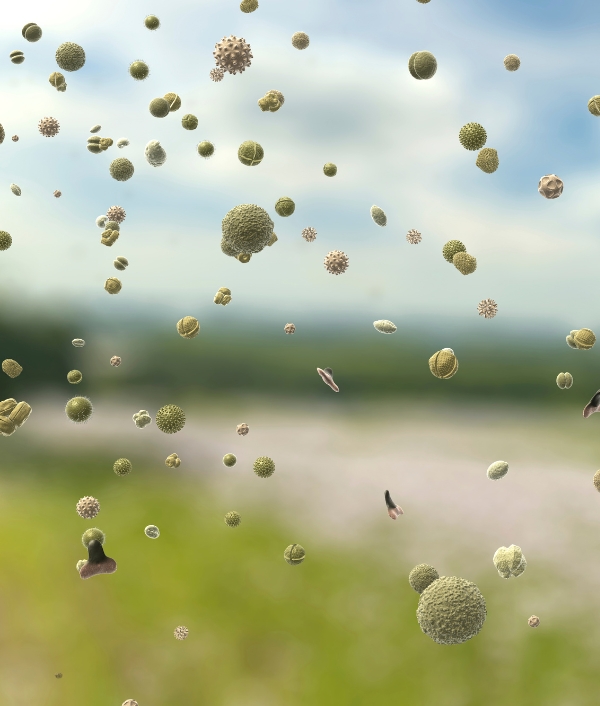
Pollen count 2026 in detail: Hazel, alder, birch and grasses
Hazel - first pollen count of the year
Hazel is one of the earliest sources of pollen in Austria. The pollen count starts as early as around 5°C. In 2026, many shrubs show a strong flowering, which indicates an increased pollen load in February and March.
Alder - high load in March and April
The alder flowers in stages. Some species start early, others follow in March or April. This means that the pollen count lasts for several weeks. This phase can be particularly intense for sensitive allergy sufferers.
Birch - the weather is decisive
The birch pollen count depends heavily on the weather in March. Dry and warm days significantly increase the pollen count. Many allergy sufferers react to birch pollen with pronounced symptoms.
Grasses - long peak season in summer
The grasses start to flower in May. It often lasts until August and is the longest stress phase of the year for many sufferers. Especially in urban areas such as Vienna the pollen count can rise sharply in early summer.
Pollen Count Calendar Vienna and Austria
A pollen count calendar for Vienna and the whole of Austria shows when which types of pollen are particularly active. It provides valuable information on the current pollen count and helps with planning leisure activities. Digital tools provide daily updated data. Customised settings in apps make it possible to receive alerts when pollen counts are high. If you regularly monitor the pollen count, you can adjust your outdoor activities accordingly.
Typical allergy symptoms at a glance
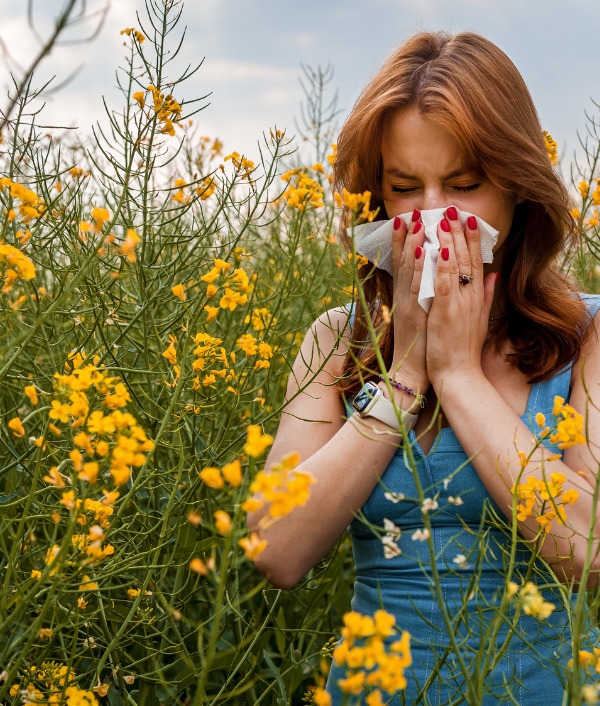
Allergy symptoms usually occur shortly after the start of the pollen count. These include
- Sneeze
- Itchy or blocked nose
- Watery, reddened eyes
- Scratchy throat
- Cough or breathing difficulties
The intensity depends on the pollen load. Many early bloomers reach their peak in April, which can intensify symptoms. Cross-reactions are also possible. People who react to birch pollen can experience similar symptoms with hazelnuts, for example. Targeted clarification helps to better understand personal triggers.
Measures for high pollen counts
Start therapy early
Many medications only develop their full effect after a few days. It is therefore advisable to start treatment before the expected peak of the season.
Using medication correctly
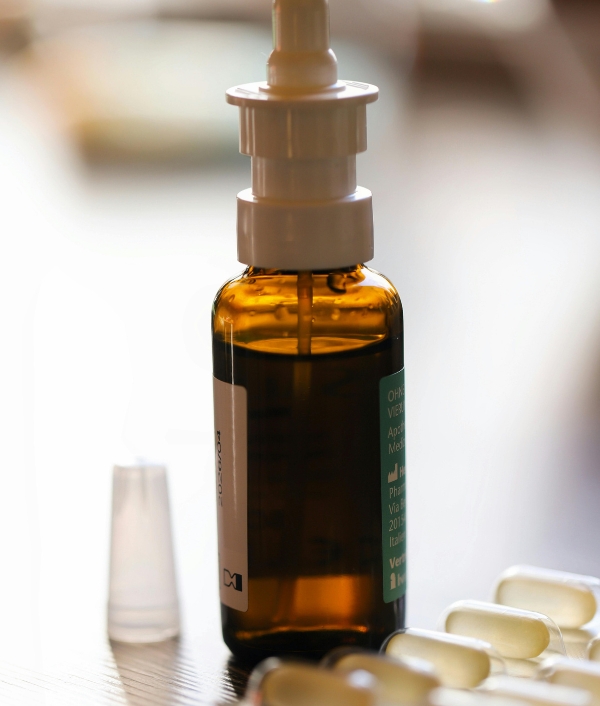
Antihistamines and anti-inflammatory nasal sprays reliably relieve typical allergy symptoms. Correct application is crucial for successful treatment.
Remove pollen in everyday life
After spending time outdoors, you should change your clothes and wash your hair to remove pollen. Regular ventilation at low-pollen times - after rain, for example - also reduces indoor exposure. Nasal rinses with isotonic saline solution also help to remove pollen from the nasal passages and moisturise the mucous membranes.
Long-term therapy options
Specific immunotherapy can be useful for severe or long-lasting symptoms. This is carried out over several years and aims to permanently reduce the hypersensitivity to certain pollen.
Well informed through the allergy season
The 2026 allergy season in Austria is expected to bring an increased pollen load - especially from hazel, alder and later grasses. March and April are considered to be particularly sensitive months.
Anyone who uses up-to-date information Pollen count calendar for Vienna and taking early action can significantly reduce allergy symptoms. By consistently removing pollen from your everyday life and customising your therapy settings, you can noticeably reduce your exposure in 2026. Good preparation makes all the difference - so that you can get through spring and summer with fewer symptoms despite the intense pollen season.