
Identifying Sexually Transmitted Infections: Symptoms, Tests, and Prevention
Sexual health means more than the avoidance of sexually transmitted diseases
Sexual health encompasses far more than the absence of disease. It includes physical, emotional, and social well-being, a responsible approach to sexuality, and the ability to make decisions about one's own body independently. At the same time, it's important to note that sexually transmitted infections (STIs) can affect any sexually active person, regardless of age, gender, or sexual orientation.
An important component of sexual health is prevention. This includes open communication with partners, the use of appropriate protection methods, and regular testing. Condoms continue to be considered the most effective safer sex method and protect against many sexually transmitted infections during vaginal, anal, and oral sex. For oral sex, dental dams or appropriately cut condoms can also be used.
Nevertheless, no protective measure offers one hundred percent security. Certain pathogens, such as human papillomaviruses (HPV), can also be transmitted through skin contact. Therefore, prevention plays an important role. The HPV vaccination is part of the free vaccination programme in Austria for everyone between 9 and 21 years of age and protects against those virus types responsible for the majority of HPV-related cancers and genital warts.


Many sexually transmitted infections initially cause no symptoms
One of the biggest myths is that sexually transmitted infections always come with symptoms. In reality, they often have very non-specific symptoms and/or go unnoticed for a long time. Affected individuals feel healthy and therefore often see no reason to get tested, even though STIs can have long-term health consequences if left untreated.
Sexually transmitted infections often go unnoticed for a long time
Chlamydia is among the most common bacterial sexually transmitted infections and often has no symptoms. Nevertheless, if left untreated, it can lead to inflammation and fertility problems. The same applies to gonorrhoea, which frequently causes no symptoms, especially when infections are in the throat or rectum. Syphilis develops in several stages and can progress for years without treatment. Early diagnosis and therapy are therefore particularly crucial.
When is an STI test advisable?
A test for sexually transmitted infections is necessary if symptoms appear, but it also makes sense for every sexually active person to have regular preventive checks. If, after unprotected sex with new partners, symptoms such as burning during urination, unusual discharge, or skin changes occur, health facilities should be consulted promptly.
Since many STIs are asymptomatic, professional organisations recommend regular testing for sexually active individuals. The frequency depends on individual risk. It is important to consider specific diagnostic window periods, which vary for each STI. Those who get tested not only protect their own health but also contribute to curbing the spread of sexually transmitted infections.

Record numbers of sexually transmitted infections in Europe
Current data show that sexually transmitted infections are on the rise again in Europe. In particular, the number of cases of gonorrhoea and syphilis are reaching new record highs. Chlamydia remains the most commonly diagnosed sexually transmitted infection.
Experts attribute this development, among other things, to insufficient use of testing offers, more open sexual behaviour, a lack of diagnoses in asymptomatic cases, and a continuing need for information. This makes easily accessible prevention and testing options that reach people early all the more important.
Discreet STI tests at Johann Strauss Pharmacy
Anyone seeking certainty will find a discreet testing option for the most common sexually transmitted infections at the Johann Strauss Pharmacy. Rapid tests for HIV, syphilis, gonorrhoea, chlamydia, and hepatitis C are available. In addition, an HIV/syphilis combination test and more comprehensive screening services are also offered.
Testing takes place in a protected environment and with personal consultation. In the event of unusual results, further medical clarification will be organised through cooperating doctors, so that necessary diagnostics and, if required, treatment can be initiated quickly.
In this context, the following applies: not every test answers the same question. Some procedures are suitable for initial orientation, while others are required for confirming a diagnosis. Particularly in the case of fresh infections or existing symptoms, laboratory tests remain an important part of diagnostics.
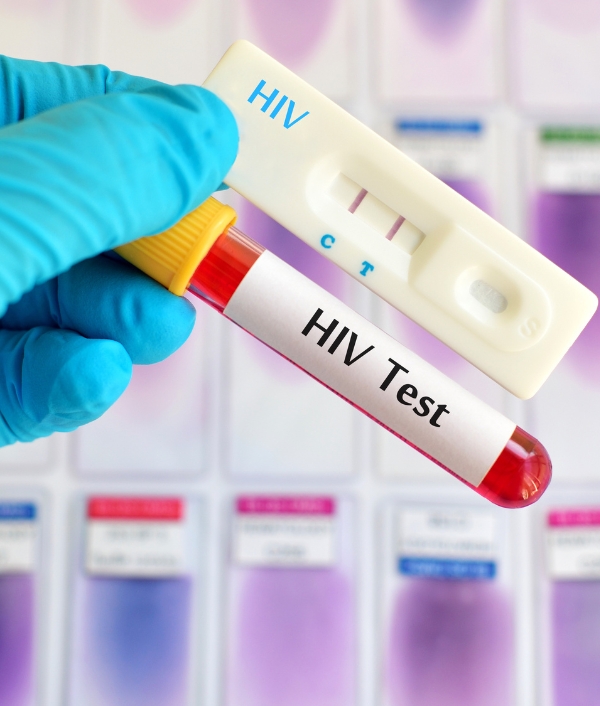
Early detection of sexually transmitted infections and taking responsibility
Sexually transmitted infections are not a niche issue but an important part of sexual health. Those who know the risks, use protective measures, and get tested when necessary can detect and treat infections early.
Responsible handling of sexuality does not mean living in constant worry. Rather, it's about staying informed, realistically assessing risks, and using available prevention and testing services. Competent advice and discreet STI tests at the pharmacy can be valuable support in precisely these areas.