
Wasp, hornet, and bee stings in the summer
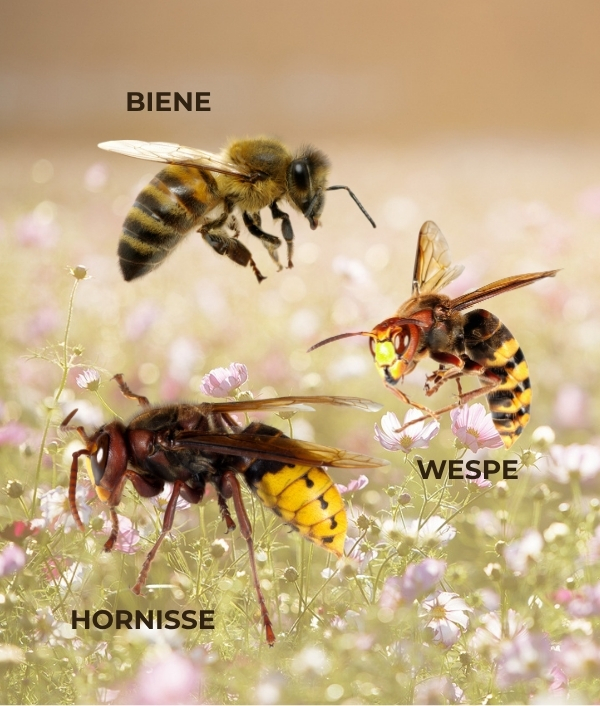
Classifying animals correctly
In the summer, we primarily encounter honeybees, social wasps, and hornets. Bees are particularly important for agriculture, food security, and biodiversity because they are among the main pollinators. They usually sting when they feel threatened or their hive is threatened. After a bee sting, the stinger typically remains in the skin. Wasps are also beneficial insects, as they catch large numbers of other insects; however, especially the common wasp and the German wasp tend to seek out sweet and meaty food on our tables in late summer. Hornets are the largest native wasp species, are generally considered rather peaceful, and are usually not interested in cakes or barbecue food.
What helps immediately after a sting
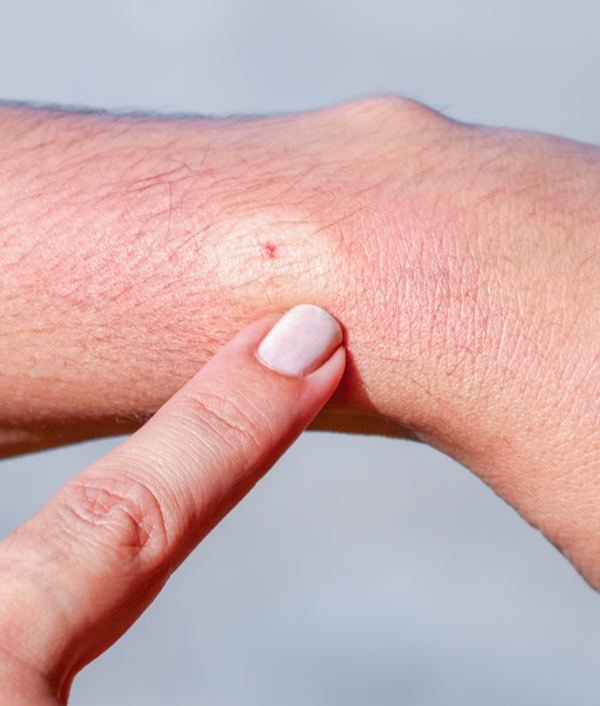
After being stung, the first thing to do is stay calm and examine the area carefully. If a stinger is visible, it should be removed as quickly as possible. In the case of a bee sting, it is advisable to scrape it out rather than pull it, to avoid pressing more venom into the skin. Then, clean the skin with soap and water, cool it down, or use so-called sting healers. Scratching should be avoided as it can further irritate the skin. Pain can be effectively treated locally with insect gels. For more severe symptoms, taking antihistamines is recommended. Home remedies like vinegar should be avoided.
Take allergy warning signs seriously
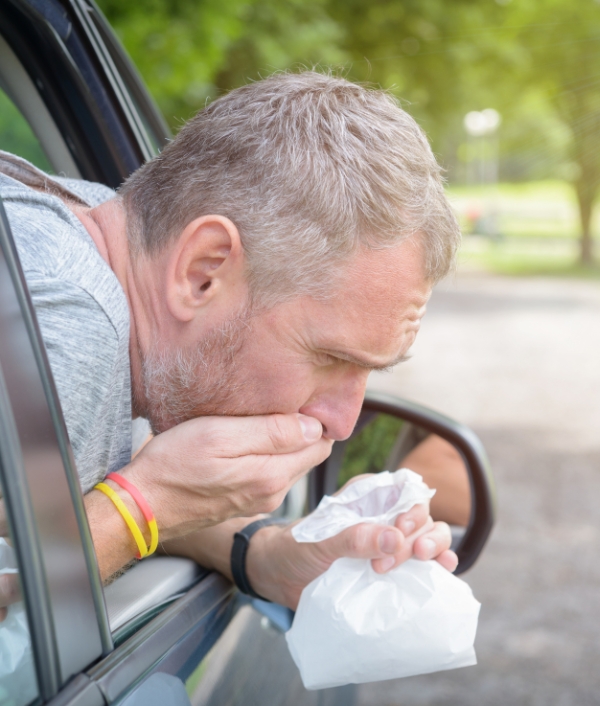
Harmless is usually local redness or swelling. Larger swellings of more than ten centimetres or lasting more than 24 hours are uncomfortable, but not yet anaphylactic shock. Warning signs are symptoms outside the sting site: hives, swelling of the face, nausea, difficulty swallowing, shortness of breath, dizziness, drop in blood pressure or impaired consciousness. Stings in the mouth or throat are particularly dangerous because the airways can swell shut. In that case, act immediately: call emergency services on 144. People with a known insect venom allergy should always carry an emergency kit, especially an adrenaline auto-injector and their prescribed accompanying medication.
Reduce the risk of bee, wasp, and hornet stings
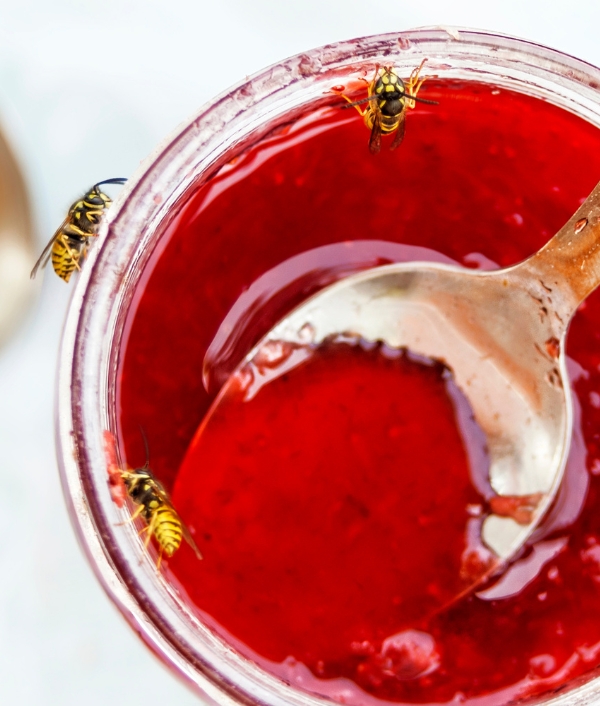
Prevention begins with small habits. Outdoors, sweet drinks should be covered and not drunk directly from opaque cans or bottles. Don't leave food uncovered, clean hands and mouths after eating, and quickly remove leftover food, nearby bins, and fallen fruit in the garden. Clothing that covers more skin can offer additional protection. If insects approach, calmness and slow movements help. Swatting or frantic waving makes the animals more defensive. Nests of wasps or hornets should not be removed or damaged on your own. If a nest is in a problematic location, professional assessment or relocation is the safer solution.