Allergiesaison 2026 in Österreich
Start of the season and forecast
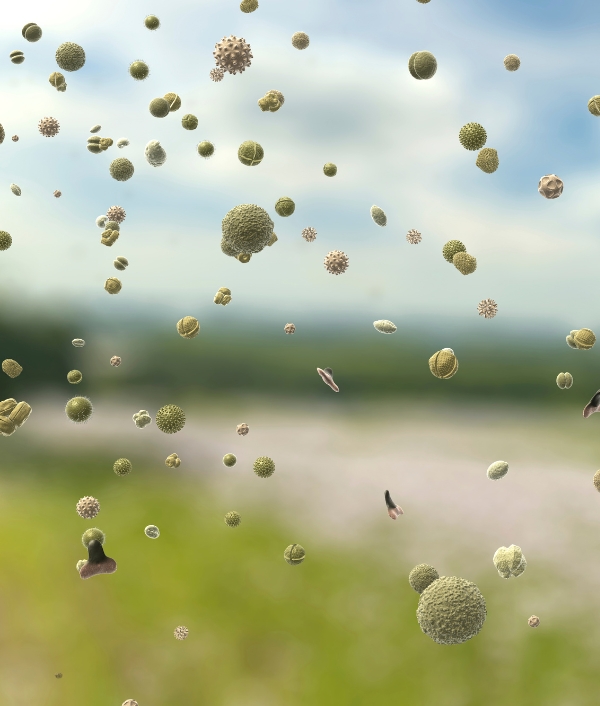
According to experts, the 2026 allergy season will be more intense than last year. Hazel, alder and birch are already blooming in late winter, recognisable by many catkins. Short warm phases in spring cause the pollen count to rise rapidly, which can quickly lead to peak levels. MedUni Vienna and the Austrian Ministry of Health emphasise that early bloomers in particular produce a lot of pollen:
- Hazel: This year, hazelnuts have an above-average number of catkins. The hazelnut pollen count can start quickly from around 5 °C.
- Alder: Several alder species are flowering at different times: The purple alder has already faded, the grey alder is already in bloom and the black alder will follow later. If you are allergic to alder pollen, you should avoid alluvial forests such as those along the Danube for the time being.
- Birch: The birch trees also have significantly more male flowers than in the previous year. However, whether the birch pollen count will be strong depends largely on the weather in March.
- Grasses: In Central Europe, the main grass flowering period is between May and August, with the peak usually being reached in early summer. The grass pollen season dominates the height of summer - for many allergy sufferers in particular, this means the longest and most stressful phase of the year.

What does this mean for those affected?
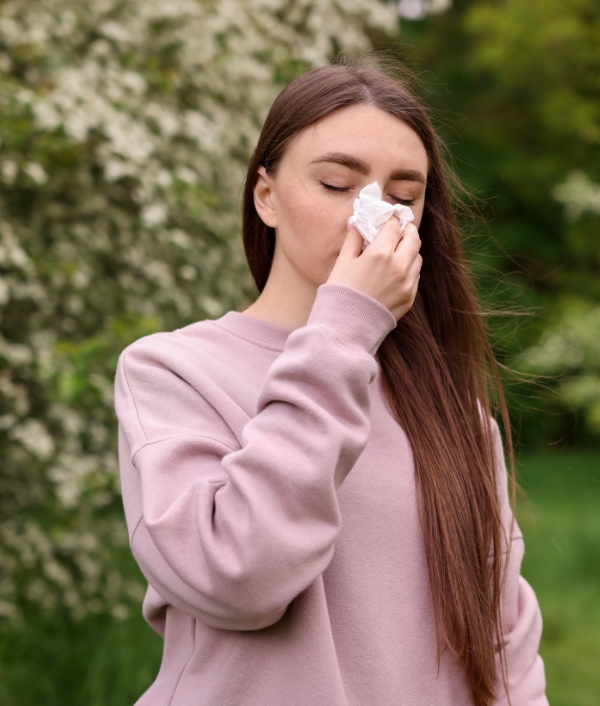
For allergy sufferers, the season often begins with the first warm days of spring. Typical symptoms include sneezing, an itchy or blocked nose and watery, reddened eyes; in severe cases, coughing and breathing difficulties can occur. Due to climate change, hazel and alder are already flowering in January, the pollen season starts earlier and lasts longer, which leads to more days with symptoms. Cross-reactions to related types of pollen or certain foods such as hazelnuts and apples exacerbate the symptoms. On warm, windy days, the burden increases quickly, while cool, rainy days bring temporary relief.
Practical tips from the pharmacy for the 2026 allergy season
Bereits eine frühzeitige Vorbereitung kann die Beschwerden während der Allergiesaison deutlich verringern. Mit der richtigen Strategie aus Medikamenten, kleinen Alltagsanpassungen und Pollenbeobachtung können Betroffene ihre Symptome deutlich lindern. Dazu gehören unter anderem folgende Maßnahmen:
- Start therapy early: Experts recommend using anti-allergic medication a few weeks before the peak of the season. Many preparations take a few days to take full effect. An early start can therefore minimise the onset of the peak symptoms.
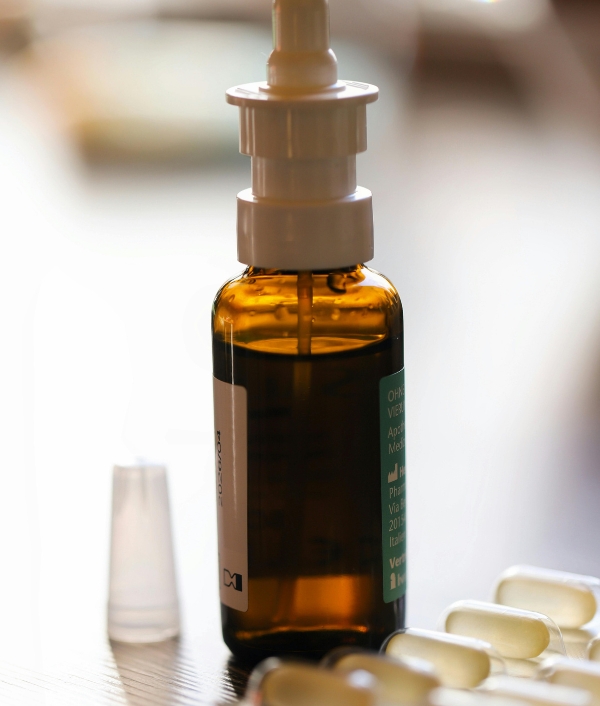
- Use suitable medication: Modern, non-sedating antihistamines in tablet form or as nasal or eye drops relieve sneezing, itching and watery eyes. Anti-inflammatory cortisone nasal sprays reliably reduce inflammation of the nasal mucosa. Ophthalmologically tested eye drops provide targeted relief for red, itchy eyes.
- Use pollen count information: Pollen count apps and regional warning services provide up-to-date information about the pollen count on a daily basis. On days with very high pollen counts, you can adjust your activities - e.g. postpone walks, gardening or outdoor sports or wait for windless and rainy times.
How we support as a pharmacy
Wir begleiten unsere Kund*innen durch die gesamte Allergiesaison und sorgen dafür, dass Beschwerden bestmöglich gelindert werden. Mit individueller Beratung, passenden Produkten und praktischen Tipps helfen wir, den Alltag trotz Pollenbelastung angenehmer zu gestalten. Dazu gehören unter anderem folgende Leistungen:
- Advice on medication: We inform you about active ingredients, forms of application and possible interactions. For example, we show you which antihistamines or nasal sprays are available over the counter and how to use them correctly. Good counselling helps to use the medication in a targeted and safe manner.
- Nasal rinses: Many sufferers swear by regular nasal rinsing with isotonic saline solution. At the pharmacy, we explain how you can use it to gently remove pollen and mucus from the nasal passages. This moisturises the mucous membranes and reduces the amount of pollen that enters the body.
- Allergy-specific immunotherapy: We provide information about hyposensitisation, a causal therapy for pollen allergies. This specific immunotherapy is carried out over several years and is the only method that can permanently reduce allergy sensitivity. It is particularly suitable for patients with severe symptoms and must be planned by a specialist.
- Medical clarification: If symptoms do not improve despite the measures taken or are unclear, we recommend a visit to an allergist (e.g. Allergy Centre Vienna West). A prick test or blood test can reveal exactly which types of pollen you are allergic to. With this knowledge, the therapy can be further optimised.