
Collagen as a central structural protein
Important for skin, hair and nails
Collagen is the most abundant structural protein in the human body and makes up around 80 % of the proteins in our skin. It is responsible for the firmness, elasticity and moisture of the skin. It also strengthens hair and nails and is essential for healthy joints, bones and connective tissue. Without enough of it, our skin loses its elasticity, becomes flabby and dry and tends to wrinkle more quickly. Hair can also become dull and brittle and nails split more easily. It acts like a natural „scaffolding“ that holds everything together.
The body's own production is very active, especially at a young age. However, as is so often the case in life, it declines over the years - with visible consequences. This is why collagen is becoming increasingly important as a dietary supplement - not only in the beauty sector, but also as part of preventive health care. It is therefore worth looking into this topic at an early stage.


Decrease in natural collagen production
From the age of 25, the body begins to produce less collagen. This natural process is gradual but continuous. Year after year, the quantity and quality of the structural protein produced decreases, which is noticeable both visually and physically. Wrinkles, sagging skin, thinning hair and brittle nails are typical signs.
However, age is not the only factor that influences production. External factors such as UV radiation, air pollution, smoking, excessive alcohol consumption and an unbalanced diet also have a negative effect. These influences lead to oxidative stress, which can damage collagen fibres. UV light in particular promotes the formation of free radicals, which accelerate degradation. Lifestyle therefore has an enormous influence on how quickly the skin ages. If you want to keep your skin young, you should therefore look after it both inside and out.
Targeted measures to support collagen formation
Fortunately, there are various ways to slow down the breakdown and promote production. In addition to a healthy lifestyle - with sufficient sleep, little stress, a balanced diet and avoiding nicotine - the focus is on targeted intake via drinks.
Products with specialised peptides, such as VERISOL®, a patented active ingredient whose effectiveness has been confirmed in studies, are particularly popular. The peptides are prepared in such a way that they can be easily absorbed by the body and directly incorporated into the skin. It is important to take them daily - because the effect unfolds step by step. In combination with vitamin C, which supports collagen synthesis, these preparations unfold their full potential. Collagen can thus help to improve the appearance of the skin and strengthen skin health in the long term.

A healthy lifestyle and collagen for beautiful skin
Collagen is a key component of our body - especially for a youthful appearance, healthy skin and strong nails. With increasing age and under the influence of harmful environmental factors, the body's own production decreases. The result: visible signs of ageing and a decline in skin quality.
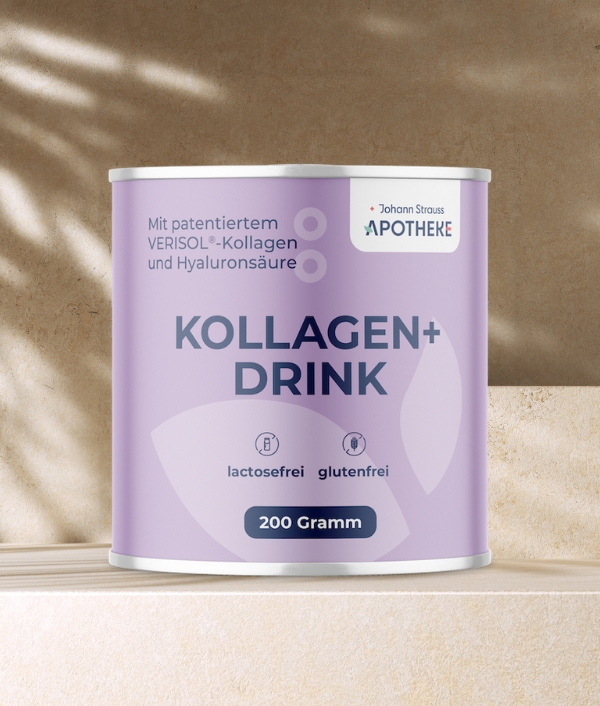
If you want to take countermeasures at an early stage, you should make sure you adopt healthy habits and support your skin from the inside. Products with high-quality ingredients such as VERISOL®, like our KOLLAGEN+ drink from our own brand, offer an easy way to give the body what it needs. Studies show: Regular intake can have a positive effect on skin elasticity and wrinkle depth. With patience and consistency, collagen can make a valuable contribution - for fresh, radiant skin and an all-round well-groomed appearance.
Questions & answers about collagen
How long does it take for collagen to take effect?
The first effects are usually seen after 4 to 8 weeks, visible results after 12 weeks.
What is the difference between type I, II and III?
Type IICartilage, Joints
Type IIIOrgans, blood vessels
Can collagen be used in cooking?
Yes, hydrolysed it is heat-stable - ideal for coffee, tea or soup.
Does collagen also help men?
Yes, it supports skin, joints and tissue - also very popular with athletes.
Which foods contain collagen?
Beastly: Bone broth, fish skin, gelatine, chicken skin
Vegetable: Berries, citrus fruits, peppers and kale do not contain any structural protein themselves, but provide important nutrients to stimulate the body's own production.