
Athlete's foot in summer during swimming pool and bathing season
Why athlete's foot is a problem during bath time
While athlete's foot isn't a typical souvenir from outdoor swimming pools in the summer, the bathing season does favour infections. Athlete's foot is usually caused by dermatophytes, which prefer warm, damp skin. Transmission occurs from person to person via infectious skin flakes that adhere to shoes, socks, or floors. Especially in communal showers, changing rooms, and around pools, such pathogens can transfer to other feet, particularly when walking barefoot. Minor skin injuries make penetration easier. The risk arises primarily in shared wet areas where many bare feet come into contact.
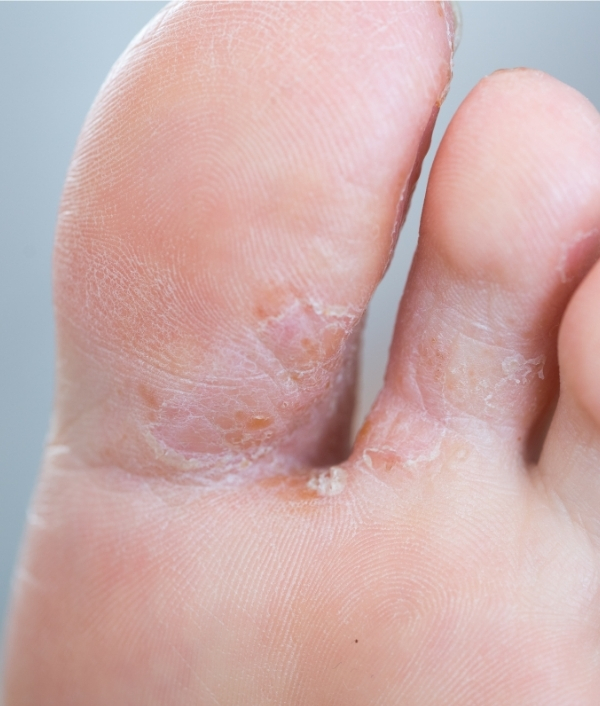
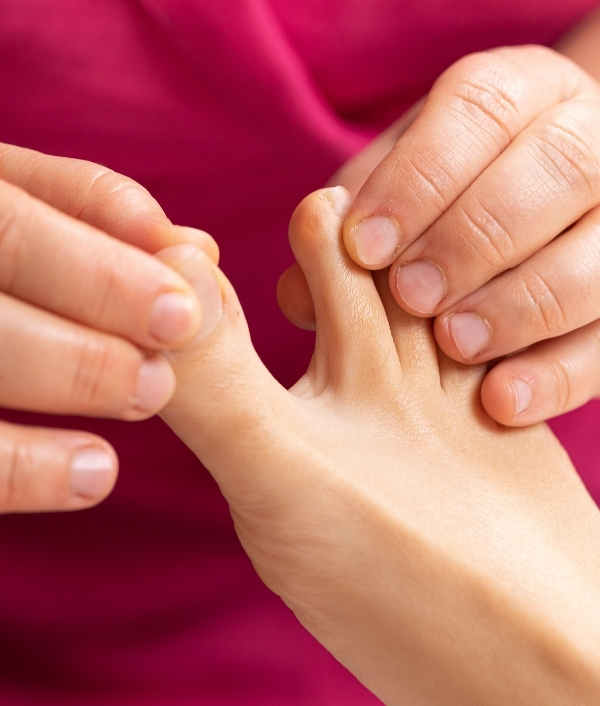
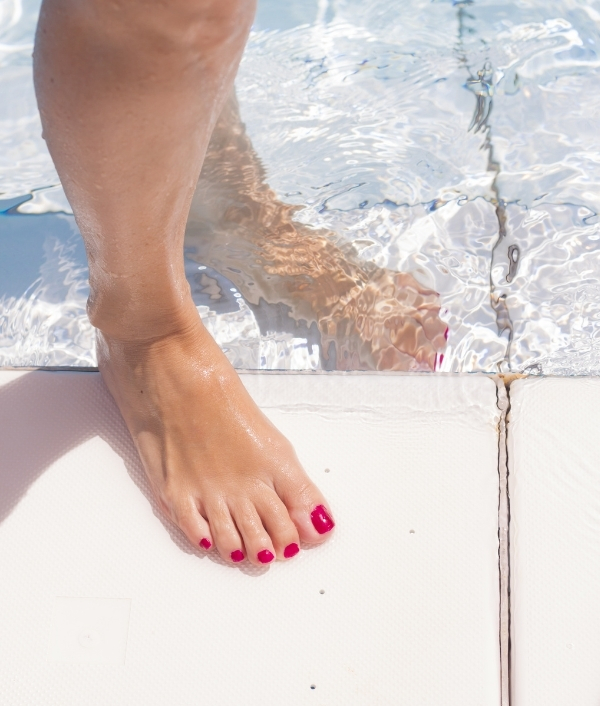
Which summer factors increase the risk of athlete's foot in outdoor swimming pools.
In summer, several risk factors combine: heat, sweating, wet feet after swimming, and wearing closed shoes for long periods create a warm, humid environment in which fungi thrive particularly well. Anyone who stays in damp shoes or socks after swimming increases the risk further. Tight footwear, pressure points, and minor injuries also promote athlete's foot. Frequently going barefoot on warm floors in outdoor pools or communal showers makes infection easier. Regardless of the season, some people are more susceptible, such as older individuals or people with diabetes, circulatory problems, or weakened immune systems. Advanced age also plays an additional role.
This is how bathers can effectively protect themselves from athlete's foot
For bathers, routine is paramount: wear bathing shoes in public pools, even in the shower, wash feet with soap after your visit, and dry thoroughly, especially between the toes. Breathable socks and shoes that are as open or well-ventilated as possible help to quickly get rid of moisture; tight shoes worn for long periods are disadvantageous. Socks should be changed regularly and washed at an appropriate temperature; shoes can be treated with an antifungal agent if necessary. Overall bath hygiene is equally important: official bathing regulations require showering before using the pools and clean swimwear, and operators must run facilities hygienically and safely.
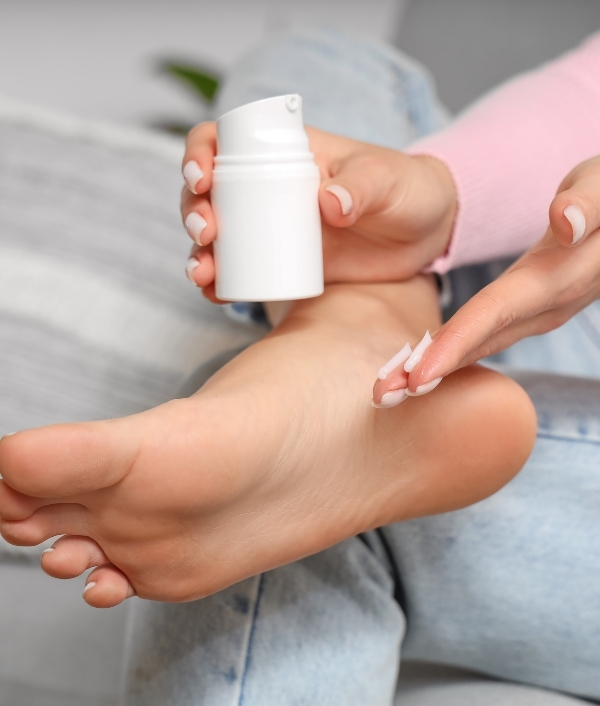
How to recognise athlete's foot
Typically, redness or scaly skin between the toes, whitish swollen patches, itching, small blisters, or painful cracks are observed. According to the health portal, athlete's foot usually does not heal on its own. At the first signs, the skin should be kept dry and treated early; topical antifungals play an important role. Whether an over-the-counter medication is suitable can be clarified at the pharmacy.
When medical help is advisable for athlete's foot
Medical clarification is advisable if the symptoms are severe, spread, recur, could involve the nails, or if diabetes or circulatory disorders are present. In such cases, it is better to seek prompt medical clarification rather than waiting.
Questions & Answers about Athlete's Foot
How do I recognise athlete's foot?
Typical symptoms include itching, redness, scaling, whitish softened skin, or small cracks – often between the toes.
Yes, athlete's foot is contagious.
Yes. Athlete's foot can be transmitted through skin flakes, especially in damp areas such as showers, changing rooms, or swimming pools.
Does athlete's foot go away on its own?
Usually not. Early treatment with a suitable antifungal medication is important so that it doesn't spread.
Am besten helfen gegen FussPilz Antimykotika. Diese sind als Cremes, Sprays oder Lösungen erhältlich und töten den Pilz ab. Wenn Sie sich für ein Medikament entscheiden, können Sie ein rezeptfreies Mittel aus der Apotheke wählen oder zum Arzt gehen, um ein verschreibungspflichtiges Medikament zu erhalten. Wenn Ihr FussPilz mit Blasen einhergeht, können Sie diese mit einem Antimykotikum behandeln.
Keep your feet dry, change socks regularly, and consistently apply an antifungal agent. The pharmacy can advise on which product is suitable.
When should I seek medical advice?
In case of severe discomfort, recurring athlete's foot, affected nails, diabetes, circulatory disorders, or if the treatment is ineffective.