
What are haemorrhoids?
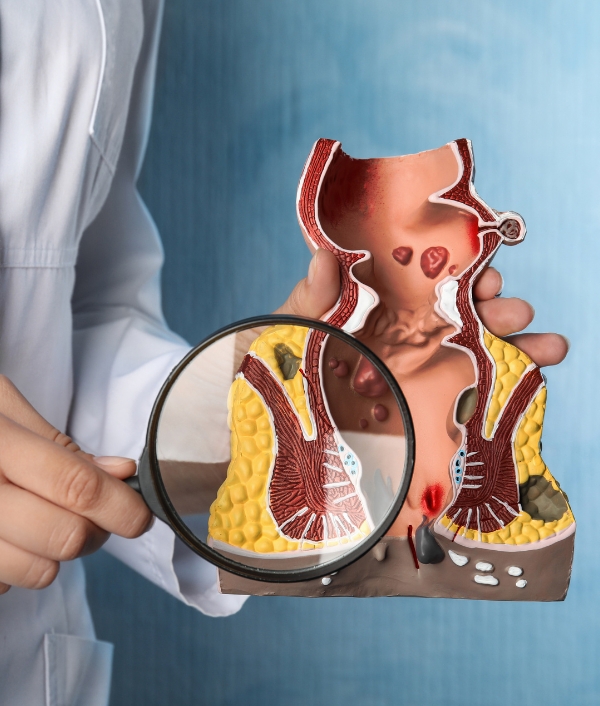
Haemorrhoids are small vascular cushions in the rectum that naturally help everyone to seal the anus and thus control bowel movements. Problems only arise when these vascular cushions become enlarged, swollen or inflamed. This leads to unpleasant symptoms such as itching, burning or bleeding during bowel movements. Such symptoms are widespread and affect many people, especially in the second half of life.
In addition to hereditary factors, frequent constipation, lack of exercise and prolonged sitting can promote the development of haemorrhoids. Lifting heavy loads and an unhealthy, low-fibre diet also increase the risk. Early treatment with appropriate preparations can help to alleviate the symptoms and improve quality of life. Gentle cleansing is also suitable for daily hygiene to minimise the risk of irritation.
Symptoms and diagnosis of haemorrhoids
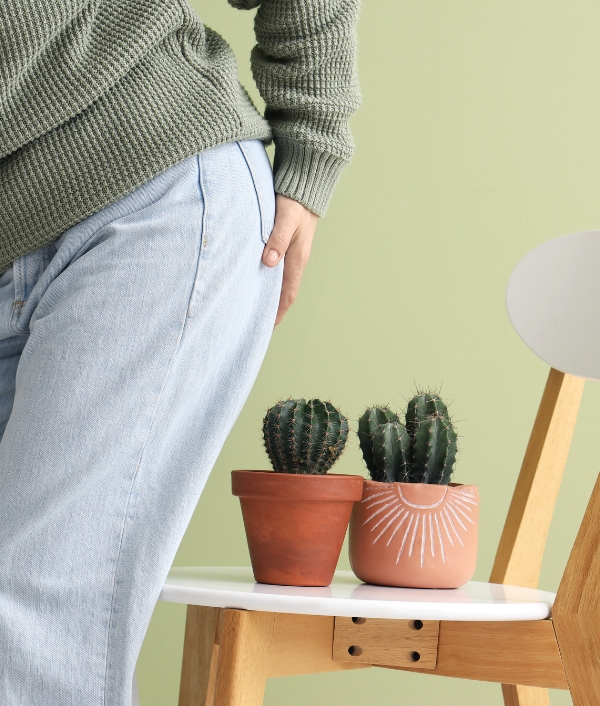
Typical symptoms of haemorrhoids include itching, burning and slight bleeding, especially after a bowel movement. In severe cases, there may also be pain and an uncomfortable feeling of pressure, which can significantly affect quality of life. Haemorrhoids should always be diagnosed by a thorough medical examination, as similar symptoms can also occur with other bowel diseases.
A visit to your doctor to clarify the symptoms is therefore advisable in order to distinguish haemorrhoids from other diseases such as fissures or tumours. An early and precise diagnosis helps to initiate the right treatment and avoid possible complications. Different stages of haemorrhoids require different treatment options, from simple home remedies to surgical procedures, in order to alleviate symptoms and improve well-being.
Treatment options for haemorrhoids
Treatment depends on the severity of the symptoms. In the early stages, lifestyle changes, a high-fibre diet and sufficient exercise can help to alleviate the symptoms. Sitz baths with anti-inflammatory herbs or lukewarm water often bring relief. In many cases, doctors also recommend anti-inflammatory ointments or creams that reduce itching and burning and thus promote the healing process.
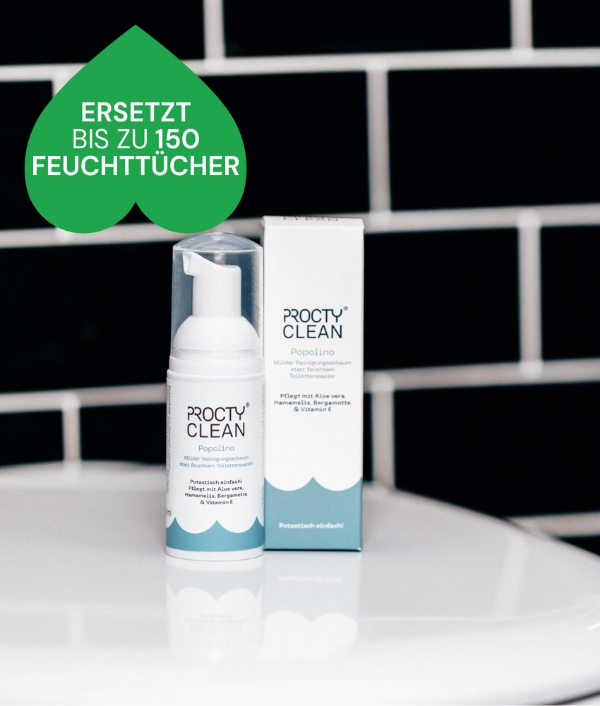
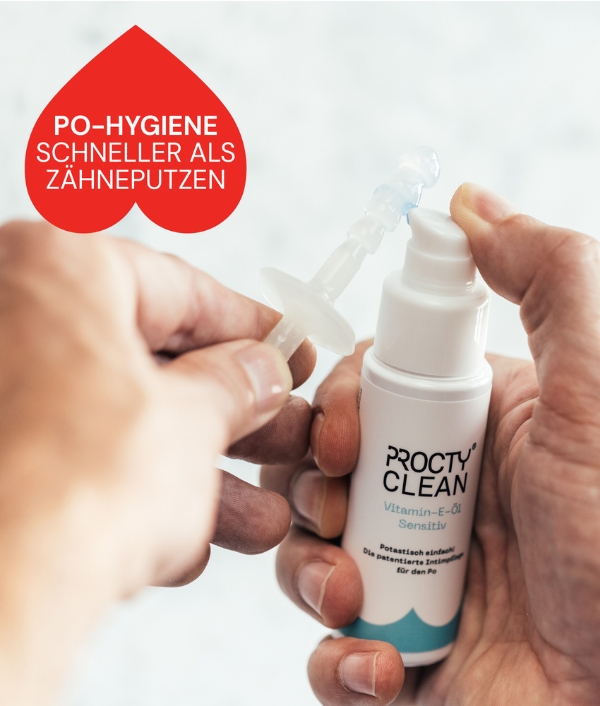
An innovative and practical product for haemorrhoid cleansing is ProctyClean®, which enables gentle cleansing of the affected area and thus supports the healing process. Using ProctyClean® after a bowel movement can help to reduce irritation and relieve discomfort. However, severe haemorrhoids may require medical treatment, such as sclerotherapy, ligation or, in extreme cases, surgery for long-term relief.
Prevention and everyday tips against haemorrhoids
Preventive measures are the key to avoiding haemorrhoids in the long term. A high-fibre diet with sufficient fluids helps to keep bowel movements soft and prevent constipation. Regular exercise promotes blood circulation and strengthens the bowel, while excessive straining should be avoided.
ProctyClean® for haemorrhoids
For gentle cleansing of the anal area, use ProctyClean® ProctyClean® is excellent because the product has been specially developed to gently cleanse the sensitive area without causing irritation. ProctyClean® therefore not only contributes to prevention, but also improves hygiene in the case of existing complaints. By following these measures, you can effectively reduce the risk and ensure a pleasant feeling of well-being in everyday life. More information about ProctyClean® and its application can be found at ProctyClean®.
If you have any questions about haemorrhoids or how to choose a suitable doctor, we will be happy to assist you. Our team in the Johann Strauss Pharmacy provides you with confidential advice and helps you to find the right medical centre.