
HIV research: New hope through mRNA nanoparticles
Researchers at the Peter Doherty Institute in Melbourne have developed a new type of lipid nanoparticle (LNP) that specifically introduces mRNA into the dormant T cells in which the virus is hidden. The mRNA provides an „activation code“ that awakens the latent viruses from sleep without destroying the cell itself.
New technology for the targeted activation of latent HIV reservoirs
This is a decisive breakthrough: until now, therapies could either suppress the virus or damage the cells. With LNP technology, the virus is visualised in its hiding places for the first time. The immune system or additional drugs can then specifically attack and eliminate the infected cells.
In the laboratory, cell culture experiments show that the LNP reliably activates the reservoirs and thus makes them susceptible to further therapies.
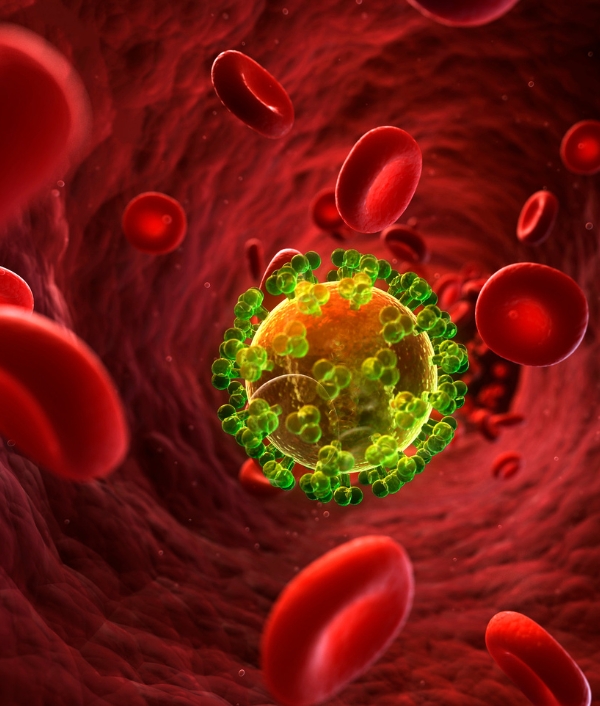

The challenge of latent HIV reservoirs and the path to a cure
HIV has been one of the biggest medical challenges worldwide for decades. Thanks to antiretroviral therapies (ART), the viral load can be suppressed, but a complete cure is still unattainable. The reason: the virus hides in so-called latent reservoirs - dormant infections in certain immune cells that are not reached by ART. These reservoirs evade the immune system and allow the virus to reactivate as soon as the therapy is paused.
The biggest hurdle in curing the disease is therefore detecting and eliminating these hidden viruses. This is precisely where the new mRNA technology comes in: It can lure the silent virus out of its hiding place and thus make it accessible for immune attacks or further treatment steps.
Significance for the HIV cure perspective
This approach marks a decisive step towards a cure. The current standard therapy only suppresses the virus without eradicating it. The new mRNA technology opens up the possibility of eliminating the latent reservoirs - a basic prerequisite for a complete cure.
Progress and next steps in HIV research
The research is still in the preclinical phase and successes have so far been achieved in cell cultures. The next steps are tests on animal models to examine safety and efficacy in complex organisms. Clinical trials with humans could then follow. If these successes are confirmed, this could not only revolutionise the quality of life of millions of people affected worldwide, but also fundamentally change global HIV management.


Outlook and challenges in HIV research
Despite the promising results, there are still some hurdles to overcome. The activation of the latent viruses must be precisely controlled in order to avoid undesirable side effects. The safety and tolerability of the nanoparticles in the human body must be comprehensively investigated.
In addition, the combination with existing therapies and immune strategies is essential in order to really eliminate the activated cells completely. But the optimistic outlook is unmistakable: With mRNA nanoparticle technology, an innovative platform is available that brings the cure closer than ever before. The world is looking forward to the next few years of research, which may mark a turning point in the fight against the virus.
Literature used
The information is based on current publications from the Peter Doherty Institute for Infection and Immunity in Melbourne, press releases and scientific articles on mRNA nanoparticles in HIV research as well as reports from specialist journals such as „Nature Medicine“ and „The Lancet HIV“. In addition, data from studies on antiretroviral therapy (ART) and latent HIV reservoirs were used to summarise the current state of research.