Self-determined protection with PrEP
For trans, non-binary and inter people
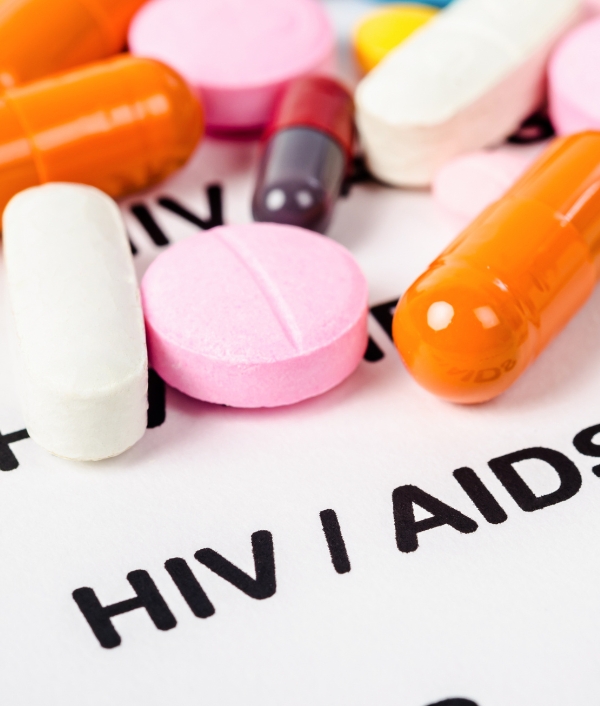
HIV-negative trans, non-binary and inter people have the opportunity to effectively protect themselves from infection with HIV pre-exposure prophylaxis (HIV PrEP). This medication prevents HIV from multiplying in the body if it is contracted through sexual contact. The effectiveness of PrEP is independent of whether hormones have been taken or sex reassignment surgery has been performed. A major advantage of HIV PrEP is that the HIV-negative person has control over their own protection and can organise it independently.
How is HIV transmitted?
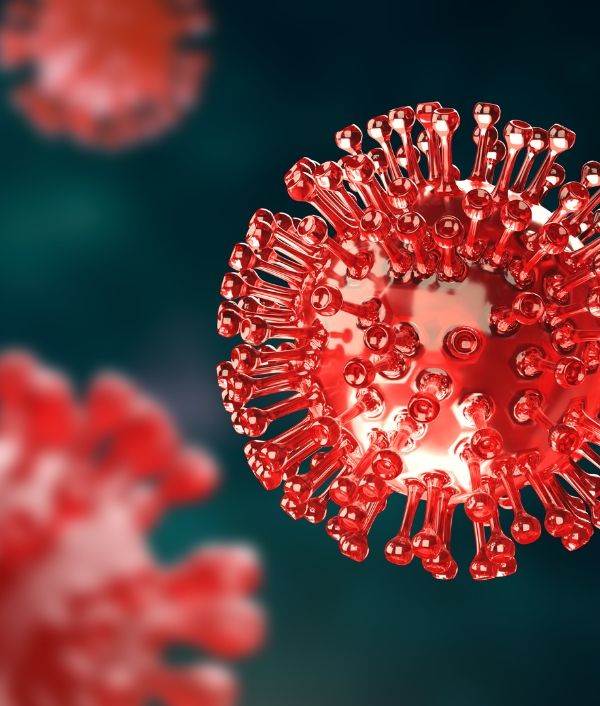
HIV is transmitted through bodily fluids such as blood, semen, anal secretions and anterior secretions, especially when the viral load is high. Infection occurs when these fluids come into contact with mucous membranes or minor injuries in the anal or genital area. Sharing needles also harbours a high risk, as infected blood can be transmitted directly.
Oral sex carries a very low risk, as the oral mucosa usually fends off the virus. There is only an increased risk with open wounds or bleeding gums. Protective measures such as condoms or dental dams further reduce the risk.
Modern therapies such as PrEP and ART significantly reduce the risk of infection. Successful antiretroviral therapy can reduce the viral load below the detection limit („U=U“), which means that HIV is no longer transmissible. Regular testing helps to recognise infections at an early stage and prevent further transmission.
The right way to take HIV PrEP
For HIV PrEP to work effectively, a sufficient level of the active substance must be built up in the body. There is a clear intake strategy for this:
Lead-in phase (start of HIV PrEP intake)
To ensure the protective effect, 2 tablets are taken 24 to 2 hours before the first sexual contact. A further tablet is then taken at around the same time each day. This ensures that protection is maintained throughout.
While taking HIV PrEP, regular HIV tests should be carried out in order to recognise a possible infection at an early stage. This allows for immediate treatment if an infection is detected. It is also important to have regular medical check-ups in order to avoid the development of resistance to the medication.

Lead-out phase (ending HIV PrEP)
When HIV PrEP is discontinued, care must be taken to ensure that the drug level does not drop too soon. The necessary period depends on the physical configuration:
Dx2 scheme (taken 2 days after the last sex)
- Trans women and non-binary amab people without surgery, with orchiectomy or with Neo-Vulva.
- Trans men and non-binary afab people with hysterectomy and colpectomy, with metaplasty and colpectomy or with phalloplasty and colpectomy.
- Intersex people with penis, with orchiectomy, with neo-vulva or with colpectomy.
Dx7 scheme (taken 7 days after the last sex)
- Trans women and non-binary amab people with neo-vagina.
- Trans men and non-binary afab people without surgery, with hysterectomy without colpectomy, with metaplasty without colpectomy or with phalloplasty without colpectomy.
- Intersex people with vagina or neo-vagina.
Important information on PrEP use
HIV-PrEP provides effective protection against HIV infection, but does not replace other safer sex measures such as condoms to protect against other sexually transmitted infections (STIs). Regular testing is important to recognise infections at an early stage.
PrEP should be discussed individually with a healthcare professional to ensure appropriate prevention. Thanks to statutory health insurance, PrEP is easily accessible for trans, non-binary and intersex people. Interested parties can obtain information from specialised doctors or advice centres.

Brief explanations of the foreign words
In gender medicine surgery, there are important technical terms for various procedures and gender classifications.
- Orchiectomysurgical removal of the testicles
- HysterectomySurgical removal of the uterus
- ColpectomyRemoval of the vagina
- MetaplasticsGender reassignment surgery for trans men
- Phalloplastysurgical creation of a penis
- Neo-vaginaSurgically constructed vagina, e.g. for trans women
- Neo-Vulvasurgically created vulva
- amab (assigned male at birth): categorised as male at birth
- afab (assigned female at birth): categorised as female at birth
These terms make it easier to understand the various interventions and gender identities.
Experts for sexual health
Alexander Hahne is a sexual health consultant specialising in sexual education for adults. In addition to his work as a bodyworker and dancer, he also works as a systemic sex therapist. His services include lectures as well as further and advanced training for professionals. He also offers individual, couple and poly counselling to support people in sexual learning processes and body awareness. In addition to this, he organises group offers that enable practical experiences.
Dr Martin Viehweger is an infectiologist and committed activist for sexual health. He is particularly committed to trans* medicine and health education in the areas of chemsex, bodywork and manual therapy. His focus is on providing comprehensive medical care and support for trans and non-binary people and improving their access to appropriate healthcare.