
Hepatitis and Hepatitis C rapid test

Understanding hepatitis – what's behind it?
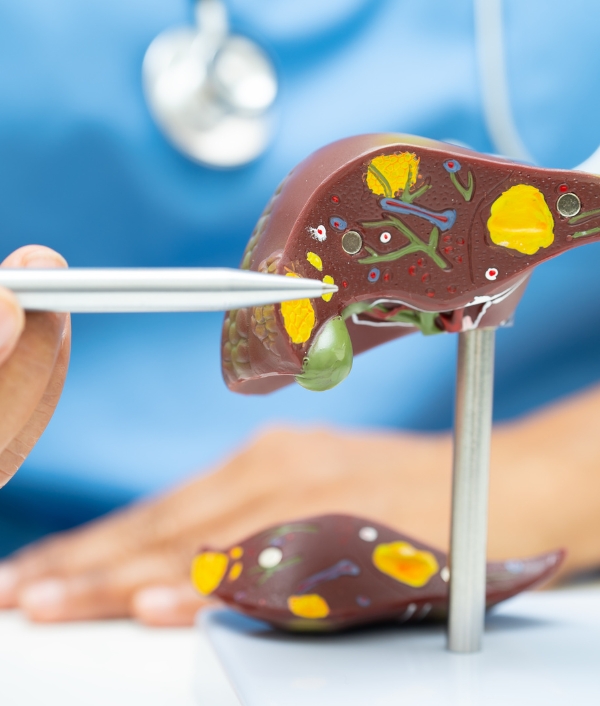
The liver controls important functions such as metabolism and detoxification. If it is damaged by viruses, alcohol or medication, inflammation occurs. Viral hepatitis infections are particularly common. Some are mild, while others can become chronic and cause severe consequences like cirrhosis or liver cancer.
Symptoms are often non-specific
Typical symptoms include fatigue, nausea, and yellowing of the skin. However, hepatitis often causes no symptoms for a long time and goes unnoticed. Early testing and preventive measures help to detect infections in good time.
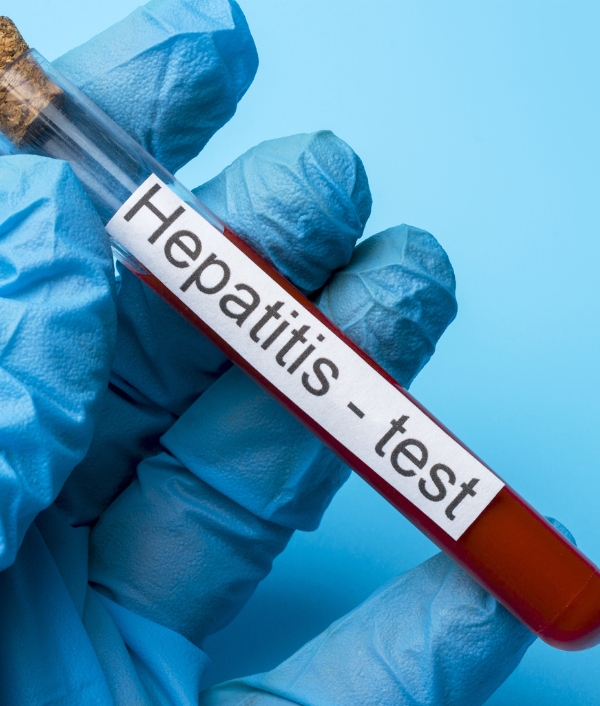
Frequently asked questions about hepatitis rapid tests
Are hepatitis rapid tests reliable?
No rapid test offers 100% certainty. False-positive results (negative samples that are incorrectly identified as positive) or false-negative results are possible. Improper storage, expired tests or incorrect use may affect the results.
How do I correctly use a Hepatitis rapid test?
Various rapid tests are available on the market, e.g. for type B or C. Please refer to the package insert for precise usage instructions. If you are unsure, we will be happy to advise you in person on-site to ensure the most reliable result possible.
What to do if the test result is reactive?
A reactive result shows a test line in addition to the control line. As false-positive results can also occur, a rapid test alone is not sufficient. It is recommended to have a supplementary laboratory test carried out by a doctor to confirm the infection unequivocally.
What does a negative test result mean?
A negative result is only reliable if there has been no risk of infection in recent weeks and the test has been performed correctly. If there has been a risk in recent weeks, the test should be repeated after the recommended waiting period or a laboratory test should be carried out.
How do I know if I have used the test correctly?
During the waiting period, a coloured control line must appear. If this is missing, the test has not been applied correctly or it is faulty. In this case, the test should be repeated or a medical laboratory test should be used for sure clarification.
Hepatitis – Overview of the Viral Types
There are different forms that differ in transmission pathways and progression:
- Hepatitis A often arises from contaminated food or water and usually heals on its own.
- Hepatitis B is primarily transmitted through blood or unprotected sexual intercourse and can become chronic.
- Hepatitis C also spreads via blood, often through shared needles or unsterile medical instruments.
- Hepatitis D only occurs together with Hepatitis B and worsens the course of the disease.
- Hepatitis E is mainly widespread in regions with poor drinking water quality.
Knowing these differences is crucial for protection and treatment. This is because each form requires specific preventative measures to avoid infection. Simple information helps to better assess risks.

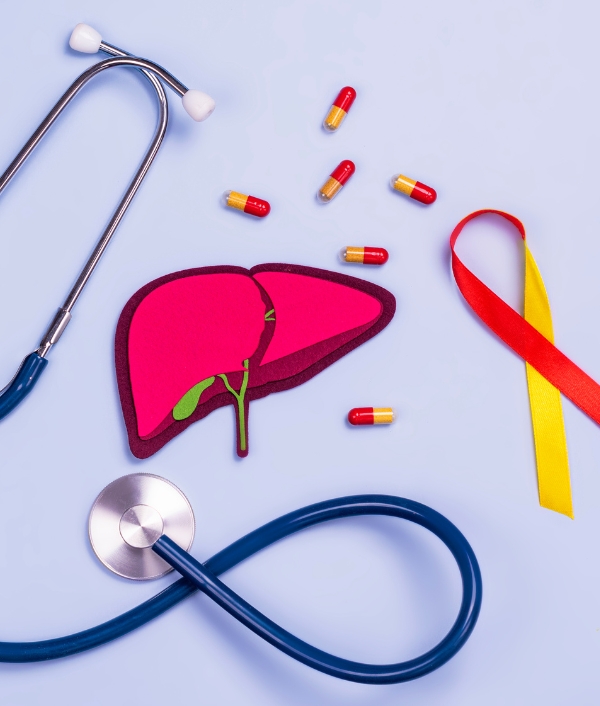
Die Übertragung von Hepatitis kann auf verschiedenen Wegen erfolgen, je nach Hepatitis-Typ. * **Hepatitis A und E** werden hauptsächlich über den **fäkal-oralen Weg** übertragen. Das bedeutet, dass Viren von einer infizierten Person in den Stuhl gelangen und dann über verunreinigte Nahrungsmittel oder Wasser in den Körper einer anderen Person gelangen. Dies geschieht oft durch mangelnde Hygiene, wie zum Beispiel unzureichendes Händewaschen nach dem Toilettengang oder der Zubereitung von Speisen. * **Hepatitis B und C** werden primär über **blutübertragene Wege** und **sexuelle Kontakte** übertragen. * **Blutkontakt:** Dies kann durch Nadelstichverletzungen (z.B. bei medizinischem Personal), die gemeinsame Benutzung von Spritzen bei Drogenkonsum, Tätowierungen oder Piercings mit unsterilen Instrumenten, oder bei Bluttransfusionen (obwohl dies heute durch Screening selten ist) geschehen. Auch eine Übertragung von der infizierten Mutter auf ihr Kind während der Geburt ist möglich. * **Sexueller Kontakt:** Sexuelle Übertragung ist insbesondere bei Hepatitis B durch ungeschützten Geschlechtsverkehr möglich. Bei Hepatitis C ist die sexuelle Übertragung seltener, aber nicht ausgeschlossen, insbesondere bei Risikoverhalten. * **Hepatitis D** tritt nur bei Personen auf, die bereits mit Hepatitis B infiziert sind. Die Übertragungswege sind ähnlich wie bei Hepatitis B, also über Blut und sexuelle Kontakte. Zusammenfassend lässt sich sagen, dass die Hauptübertragungswege für Hepatitis die Aufnahme von verunreinigten Lebensmitteln oder Wasser (Hepatitis A und E) sowie der Kontakt mit infiziertem Blut oder ungeschützter Sex (Hepatitis B, C, D) sind.
The routes of infection differ depending on the type of virus. Hepatitis A and E are mostly transmitted via contaminated food or water. Hepatitis B and C, on the other hand, are primarily spread through blood contact and unprotected sexual intercourse. Even minor injuries or shared needles can be sufficient for transmission. Those particularly at risk include:
- medical staff
- Individuals with frequent blood contact
- People who inject drugs
- Travellers in regions with poor hygiene
Many infections remain unnoticed for a long time, and are therefore unknowingly passed on. Early testing and education are therefore particularly important.
Protective measures in everyday life
Simple measures can significantly reduce the risk of infection:
- regular hand hygiene
- Safe food and clean drinking water when travelling
- Hepatitis A and B vaccinations
- Condoms during sexual contact
- sterile syringes and medical instruments
- Routine preventive and check-up examinations
Prevention and early testing are the best protection for detecting infections early and avoiding transmission.

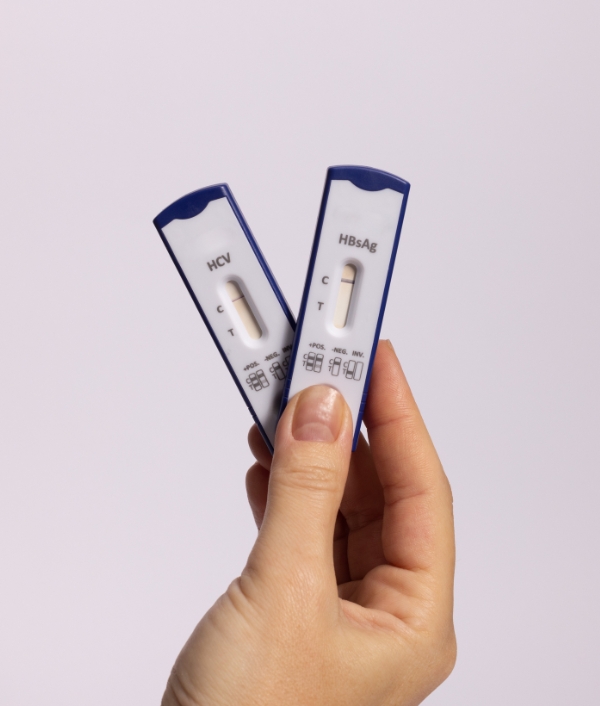
Hepatitis C rapid test at the Johann Strauss Pharmacy Vienna
As of now, the Johann Strauss Pharmacy 1040 Vienna is offering an on-site Hepatitis C rapid test.
- Result in approx. 15 minutes
- Discreet handling in the pharmacy
- Cost: 23 Euros
Important: The diagnostic window for Hepatitis C is approximately 7 to 8 weeks. Reliable detection is only possible after this period. Testing too early can still result in a negative outcome, even with an infection.
The rapid test offers a simple way for prevention and quick clarification.
Healthy Liver – Hepatitis Help Austria
Central contact point for people with Hepatitis B and C in Vienna, offering advice, information materials, and meetings for those affected. More information here!
Vaccination Service Vienna – Hepatitis A & B
Offers vaccinations against Hepatitis A and B, as well as extensive information on protective measures. There's more information here.
MedUni Wien – Special Outpatient Clinic for Viral Liver Diseases
Specialist clinic for the diagnosis and treatment of Hepatitis B and C at the Medical University of Vienna. More information here!
Suchthilfe Wien – Hepatitis C Initiative
Low-threshold offers for the prevention, testing, and treatment of Hepatitis C, especially for risk groups. More information here!
Lighthouse Vienna
Support services for people with HIV, hepatitis, and mental health conditions, including supported housing and medical care. More information here!