HIV-PrEP and nutrients
HIV-PrEP protects against HIV, but can affect the nutrient balance. We show you how you can compensate for possible deficiencies with a balanced diet.

HIV-PrEP and its effects on the nutrient balance
Pre-exposure prophylaxis (HIV-PrEP) has established itself in recent years as an effective measure to protect against HIV infection. It is a particularly promising way of protecting people with an increased risk of infection. However, as with any drug therapy, there are certain factors that should be taken into account.
An increasingly discussed topic is the influence of HIV-PrEP on the body's nutrient balance. Can regular use lead to a loss of important nutrients? And how can you counteract these deficiencies? We look into these questions and give you valuable tips on how you can optimally support your health during treatment.

The effect of HIV-PrEP on the body
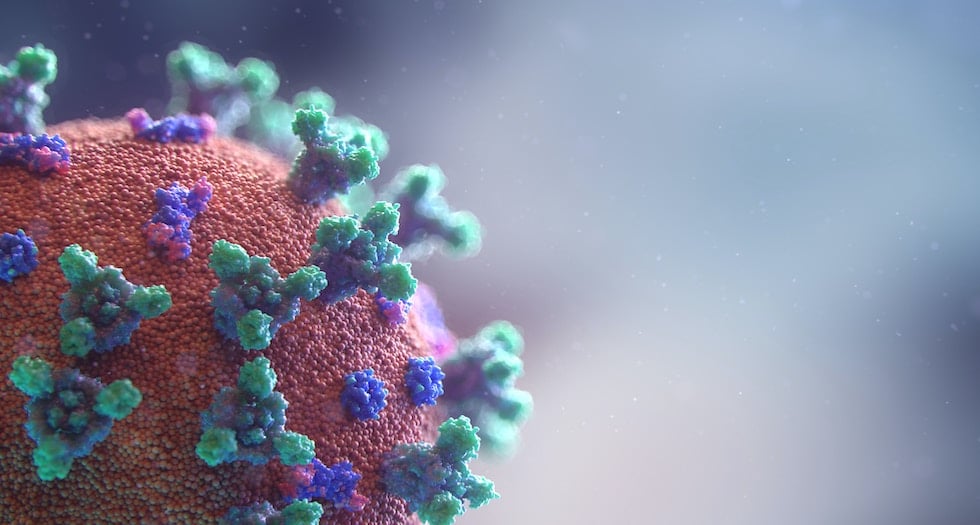
HIV-PrEP contains the two active ingredients tenofovir and emtricitabine, which specifically block an enzyme that HIV viruses need to multiply. This mode of action makes HIV-PrEP a highly effective means of HIV prevention. At the same time, however, these substances can influence the metabolism.
Studies have shown that tenofovir may be associated with slightly reduced bone density. This is because the body's calcium and phosphate utilisation can be impaired, which increases the risk of osteoporosis in the long term. In addition to bone health, other areas of nutrient balance may also be affected, necessitating conscious health management.
Affected nutrients when taking HIV-PrEP
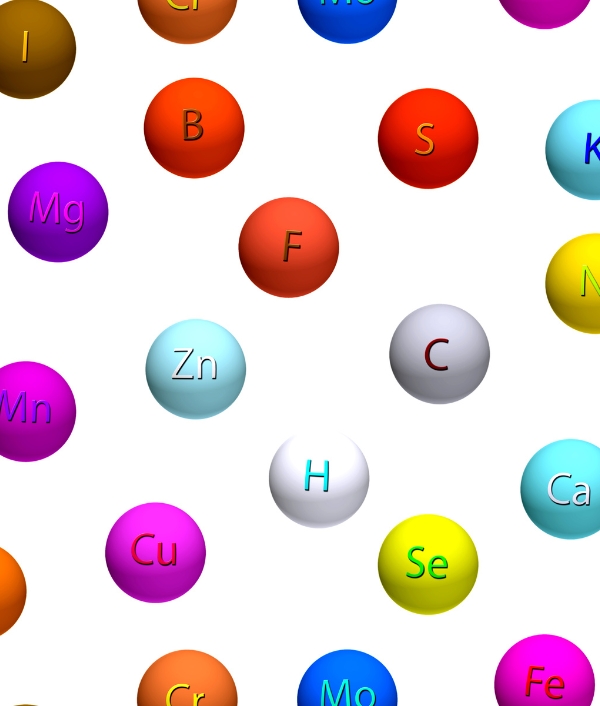
Long-term use of HIV-PrEP can affect the body's nutritional requirements, particularly depending on factors such as diet and lifestyle. Certain nutrients can become more stressed as a result of the therapy, which increases the risk of deficiencies. Particularly affected are:
CalciumAn important building block for strong bones. A lack of calcium can lead to osteoporosis and an increased risk of fractures in the long term, as the bone structure is weakened.
Vitamin DThis vitamin promotes the absorption of calcium in the intestine and thus helps to maintain healthy bones. A vitamin D deficiency can increase the risk of bone weakness and fractures.
MagnesiumIt plays a central role in muscle and nerve function. A low magnesium level can lead to muscle cramps, exhaustion and other complaints such as sleep disorders.
B vitaminsThey are crucial for energy metabolism and for the function of nerves and muscles. A deficiency can lead to fatigue, nerve damage or muscle weakness.
Omega-3 fatty acidsThese essential fatty acids support anti-inflammatory processes and improve general nutrient absorption. They can also reduce the risk of heart disease.
Coenzyme Q10It is an important component in energy metabolism and can help to increase performance. A deficiency of coenzyme Q10 is often associated with increased fatigue and reduced energy levels.
Antioxidants (e.g. vitamin C, vitamin E) and secondary plant substances: Antioxidants (e.g. vitamin C, E) and secondary plant substances protect against oxidative stress, prevent cell damage and strengthen the immune system. Fruit, vegetables, herbs and whole grains promote the defence against free radicals.
In order to prevent nutrient deficiencies, it is advisable to ensure a balanced diet and to work with nutritional supplements if necessary. This can help to maintain long-term health and counteract the possible negative effects of HIV-PrEP treatment.
Symptoms of a nutrient deficiency
A nutrient deficiency often manifests itself subtly, but can worsen over time and impair well-being. Common signs are
- Tiredness and weakness: Persistent exhaustion despite sufficient sleep, often due to a lack of iron, B vitamins or magnesium.
- Muscle cramps and muscle twitching: Uncontrolled twitching or cramps, especially at night or after exertion, usually due to magnesium, potassium or calcium deficiency.
- Reduced performance: Both physically and mentally impaired performance, often due to a lack of vitamin D, iron or B vitamins.
- Increased susceptibility to infections: Weakened immune system due to a lack of vitamin C, E or zinc, which increases the risk of illness.
Medical advice is important if symptoms persist or worsen. A nutrient status test can detect deficiencies at an early stage and enable targeted treatment.

Tips for compensating for nutrient losses
Nutrient losses due to HIV-PrEP can be compensated for with the right diet. Here are some practical tips:
- Calcium and vitamin DCalcium-rich foods such as dairy products, kale and broccoli support bone health. Vitamin D from oily fish such as salmon and mackerel helps with calcium absorption. Alternatively, dietary supplements can be useful.
- MagnesiumAlmonds, sunflower seeds, spinach and wholemeal products provide sufficient magnesium, which is important for muscles and nerves.
- B vitaminsNuts, dairy products, poultry and mushrooms supply the body with B vitamins, which promote energy metabolism.
- AntioxidantsOranges, berries, peppers and nuts protect against oxidative stress.
- Hydration and electrolytesMake sure you drink enough fluids and include potassium-rich foods such as bananas and sodium from saltwater fish.
If your diet is not sufficient, dietary supplements can help. Consult specialists to find the right dosage.
Monitoring and prevention of nutrient deficiencies in HIV-PrEP
Regular monitoring of the nutrient balance is an important aspect during HIV-PrEP therapy, as certain nutrients can be affected by the medication. In order to recognise deficiencies early on, regular blood tests should be carried out to check the status of vitamins and minerals such as calcium, vitamin D, magnesium and B vitamins. Dietary supplements can help to supplement the diet to compensate for deficits.
A balanced diet rich in nutrient-dense foods such as leafy green vegetables, nuts and fish will help the body to meet its nutritional needs during therapy. Watch out for symptoms such as fatigue, muscle cramps or poor concentration and consult your doctor if necessary to take specific measures to prevent deficiencies.


Your local health advisors
In the Johann Strauss Pharmacy we offer you the HIV-PrEP for the price of 47,90 € per pack (either in a blister pack or in a tin). But our services do not end there: We take the time to explain to you in detail how to take the HIV-PrEP correctly and answer all your questions. We also offer you comprehensive counselling on all relevant health topics. Whether it's about possible side effects, interactions with other medications or the right diet and nutrient supply - we support you with our expertise so that you can optimise your therapy.
Come by, let us advise you individually and benefit from our experience and expertise. We offer HIV rapid tests for home use which enable simple and discreet implementation. In addition, the Aids Help Vienna works with us and also offers testing options. We are here for you and help you to support your health in the best possible way.
Questions & answers about PrEP and nutrients
Can HIV-PrEP lead to nutritional deficiencies?
Which nutrients are most affected?
How do I recognise a nutrient deficiency?
Which foods help to compensate for nutrient deficiencies?
Do I need nutritional supplements during HIV-PrEP therapy?
How can I maintain my bone health during HIV-PrEP?
Which nutrients influence the intake of PrEP?