Take an HIV test
An HIV test helps to recognise HIV at an early stage and start treatment. Find out about testing methods, the best time to get tested and the importance of regular testing for your health.
HIV tests
Check your HIV status with an HIV test and take preventive measures.
It is important to know your HIV status, especially for sexually active people who should be tested regularly. Early diagnosis enables timely treatment, which can positively influence the course of the disease and prevent new infections. With the right treatment, HIV-positive people cannot pass on the virus. Further information on HIV can be found here.
A diagnostic window of 6 weeks should be observed for the HIV antibody test. For a quicker diagnosis, an HIV PCR test can be carried out, which provides a result after just 2 weeks.
What HIV tests are available?
There are various HIV test methods:
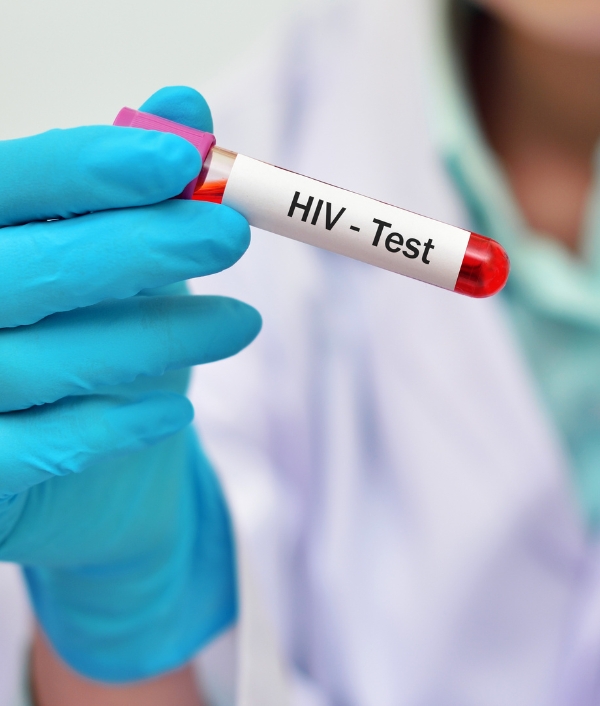
Antibody testsThese tests recognise antibodies that the body produces after an HIV infection. They are carried out using a blood test, cheek swab or saliva sample.
Antigen testsThis involves looking for specific HIV proteins (antigens) in the body. These tests can also be carried out using a blood test or saliva sample.
Combined testsThese tests simultaneously search for antibodies and antigens and enable an earlier and more accurate diagnosis.
PCR tests (polymerase chain reaction)They directly recognise the genetic material of the HIV virus and can be carried out very early after an infection, but are usually more expensive and time-consuming.
The choice of test depends on the time of possible exposure, availability and individual preferences. Counselling by healthcare professionals helps to select the appropriate test.
Aids Help Vienna - HIV tests
The Aids Help Vienna offers a variety of HIV testing options, all of which are carried out anonymously.
Costs of HIV tests at Aids Hilfe Wien:
- HIV laboratory test: free of charge
- HIV rapid test: € 30.00
- HIV PCR test: € 79.00
HIV test procedure:
- HIV laboratory test: venous blood sample
- HIV rapid test: capillary blood from the fingertip
- HIV PCR test: venous blood sample
The significance of HIV tests:
- HIV laboratory test: 6 weeks after risk
- HIV rapid test: 12 weeks after risk
- HIV PCR test: 2 weeks after risk
Your counsellor will help you choose the right test for you.
Here you can find out where you can have an HIV test done:
Further information on all test options from Aids Hilfe Wien can be found here. In addition to HIV, it is also important to get tested regularly for sexually transmitted diseases such as hepatitis, syphilis, chlamydia and gonorrhoea. Here you can find Further information.
HIV rapid test
Check your HIV status and take early precautions.
In Austria, it has been permitted to sell CE-certified HIV tests for self-testing in public pharmacies since 2018. At our pharmacy, you can purchase a rapid HIV test for self-testing to check your HIV status conveniently and discreetly.
The HIV rapid test offers a simple way to find out whether you are infected with HIV within a short period of time. This test only requires a small blood sample, which is taken either by a finger prick or another simple method. After a few minutes you will receive the test result, which makes it particularly practical for people who want to find out their status quickly.
Important information about the HIV rapid test:
- SpeedThe result of the test is usually available within 15-20 minutes.
- SimplicityThe test can be carried out conveniently at home without the need to visit a doctor.
- ReliabilityThe HIV rapid test is a reliable tool for the early detection of HIV, but in the event of a positive result, confirmation should be provided by a further laboratory test.
If you have any questions about the use of the HIV rapid test or the exact procedures, we will be happy to help you. We will advise you both on site in the pharmacy and by telephone to ensure that you can carry out the test correctly and interpret the result correctly.
Protect yourself and others by regularly checking your HIV status. If you are unsure about how often you should test yourself or which test method is best for you, simply contact us - we will help you make the right decision. More information on using a rapid HIV test you can find here.
The most frequently asked questions
Are HIV rapid tests reliable?
No HIV rapid test is 100 % reliable. There is a possibility of a false positive result, where an HIV-negative sample is incorrectly shown as positive. Such errors can be caused by improper storage or exceeding the expiry date of the test.
How do I use a rapid HIV test?
There are various HIV rapid tests for self-administration, which may differ in the way they are carried out. The exact instructions for use can be found in the test package leaflet. If you are unsure, we will be happy to explain to you on site or by telephone how to carry out the test correctly.
What should I do if the test is reactive?
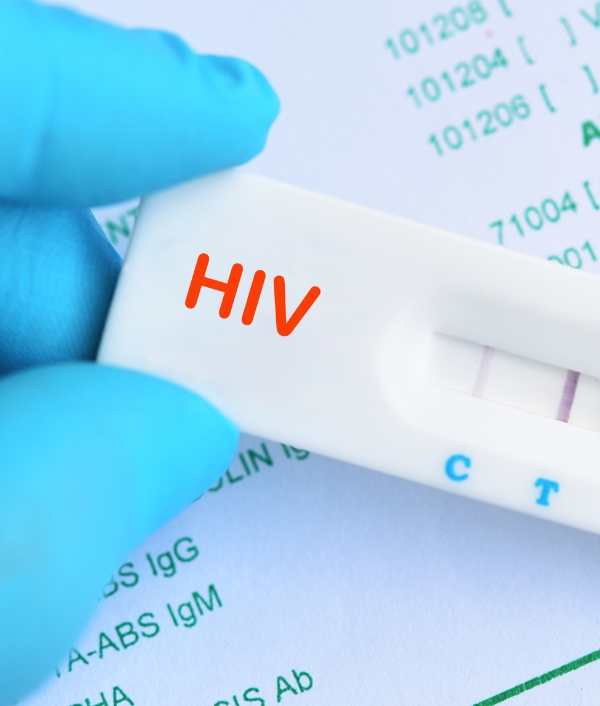
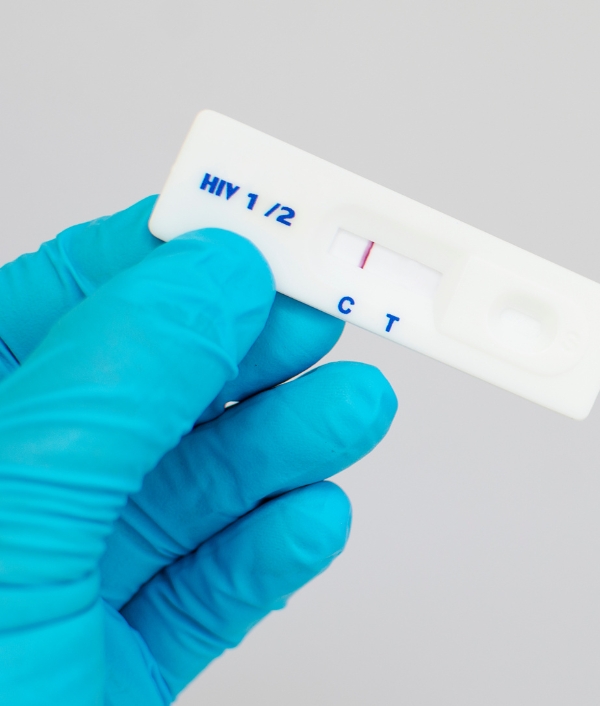
A reactive result means that two lines (control line and test line) appear on the rapid test, whereby the test line can be differently pronounced. However, a reactive result alone is not sufficient to reliably diagnose an HIV infection, as false positive results are also possible. In this case, it is strongly recommended to carry out an HIV antigen/antibody test for confirmation. If this is also positive, an HIV infection should be considered.
If you receive a reactive result, contact the counselling services of Aids Hilfe in your federal state. Here you will receive support and further steps for diagnosis and treatment.
What does it mean if the HIV rapid test is negative? Can I trust it?
A negative result is only reliable if there has been no HIV risk in the last 3 months and the self-test has been carried out correctly. If there was a risk during this period, the negative result may not be meaningful. In this case, you should repeat the rapid test after 12 weeks or have an HIV antigen/antibody test carried out to check your HIV status.
How can I be sure that the test has been carried out correctly?
While waiting for the result, a coloured line (control line) should appear. If the control line is not visible, either the test was not performed correctly or the test is faulty. In such a case, you should perform the test again. You can either use another rapid test or perform an HIV antibody/antigen test for confirmation. More information on using a rapid HIV test you can find here and general information on HIV you can find here.
HIV rapid test from ratiopharm
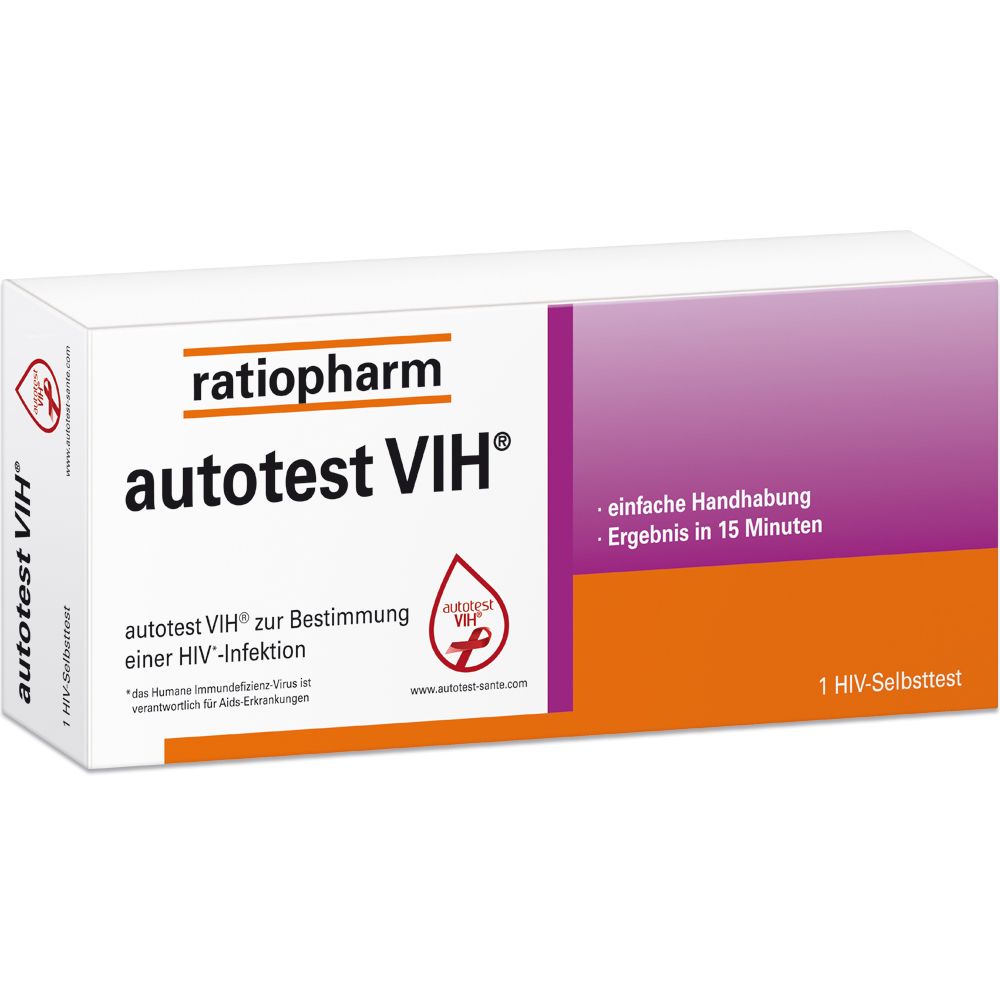
The autotest VIH® is available over the counter at the Johann Strauss pharmacy.
You can purchase the autotest VIH® from the Johann Strauss pharmacy for just €31.00. This rapid test can be used discreetly at home and helps to detect a possible HIV infection at an early stage. The autotest VIH® from ratiopharm requires only one drop of blood - about the same amount that diabetics need for their blood glucose test.
The test is an antibody test which, however, can only reliably rule out an HIV infection 12 weeks after the last risk contact. This period corresponds to the time it takes for antibodies to develop. If the test is carried out too early, a negative result may not be conclusive. If the test is positive, it is necessary to check the result with a confirmatory test in the laboratory. Here you can find the Instructions for realisation of the autotest VIH® from ratiopharm.
The HIV rapid test for your safety
Simply carry out the test with a drop of blood from the fingertip. The test takes about 5 minutes and the result is available after just 15 minutes. It offers reliable detection of an HIV infection if it was at least 3 months ago.
The AIDS service organisations in Austria have set up a free HELPLINE. If you have any questions about using the test or the results, you can call 0800 252289 for expert advice.