
Influenza virus H3N2(K) in Austria: What you need to know now
Early start of the 2025 flu epidemic
The 2025 flu epidemic in Austria is starting unusually early this year. The focus is particularly on the influenza sub-variant H3N2(K), which is spreading faster than previous strains. The number of flu-like illnesses is already above average, which experts believe is due to the early start to the season. Many experts expect that infections will continue to increase and that the flu season could be more intense than in previous years. If you want to reduce the risk, you should therefore pay attention to prevention and protection at an early stage - both in your private life and at work.
The flu virus and typical symptoms
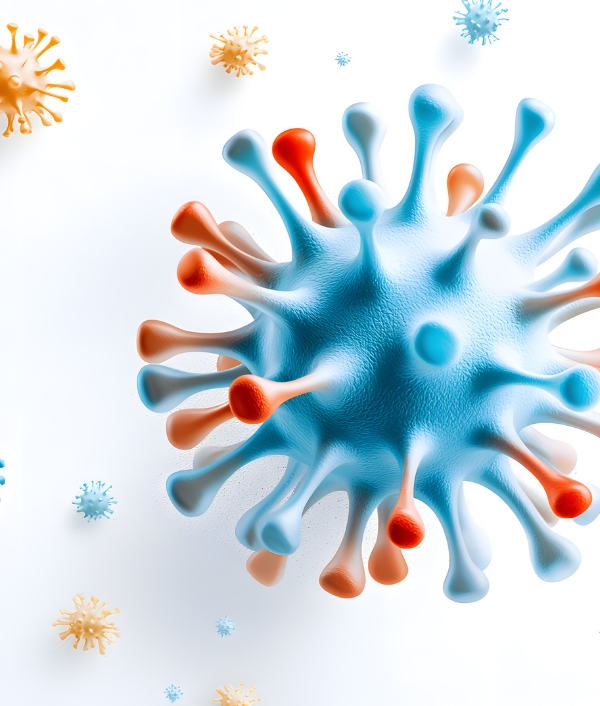
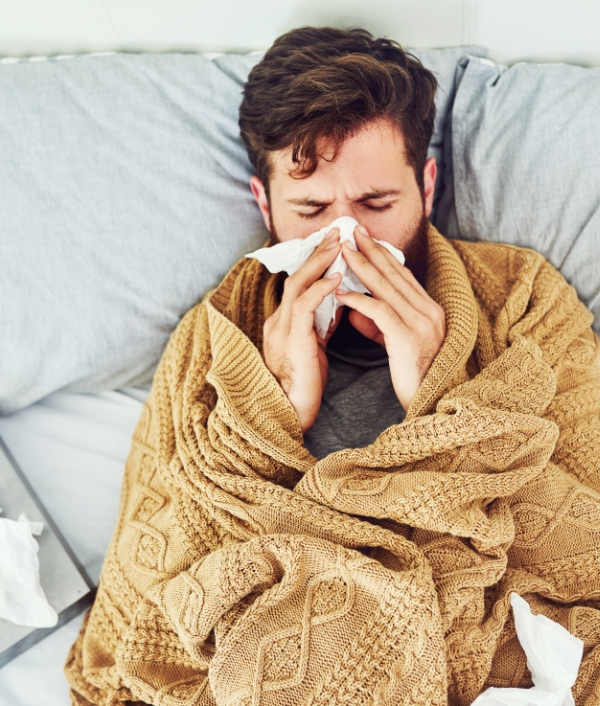
The flu virus (influenza) is a respiratory virus that spreads particularly easily via droplets and contact infections. A real flu usually starts suddenly with a high temperature, a strong cough and intense headaches and aching limbs. Many sufferers feel seriously ill within a short time. This clearly distinguishes influenza from a common cold, which tends to be mild and rarely causes a high fever. Even though COVID-19 can cause similar symptoms, it is triggered by a different pathogen. The flu is characterised by a rapid, severe onset. A clear categorisation of the symptoms helps to react more quickly and seek medical advice if necessary.
How dangerous is the 2025 flu epidemic?
Even if the current H3N2(K) variant does not cause more severe cases according to current estimates, influenza 2025 remains a serious health risk. Elderly people, young children, pregnant women and people with pre-existing conditions are particularly at risk. Every season, serious illnesses and deaths regularly occur in Austria - often triggered by complications such as pneumonia. An early flu vaccination reduces the risk of severe cases. Vaccinated people fall ill less frequently and need to be hospitalised less often. Especially in a season with an early start and high infection pressure, it is important to realistically assess the individual risk and not underestimate preventive measures.
Protective measures: How you can protect yourself effectively
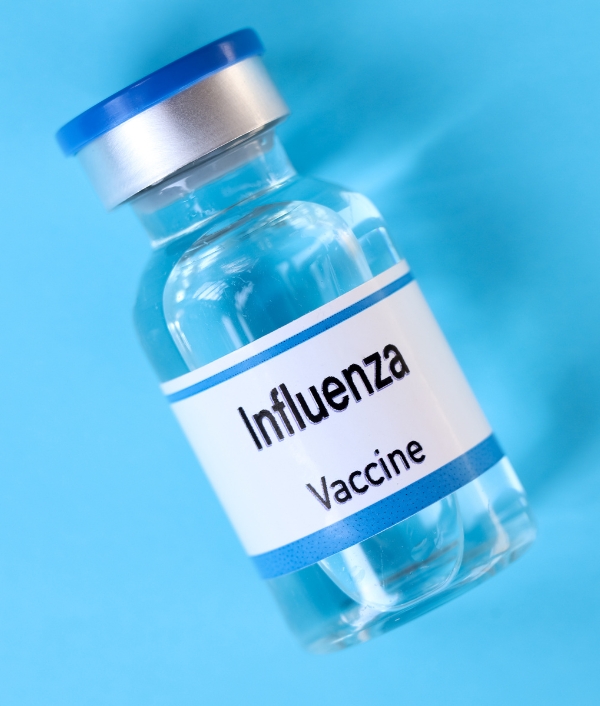
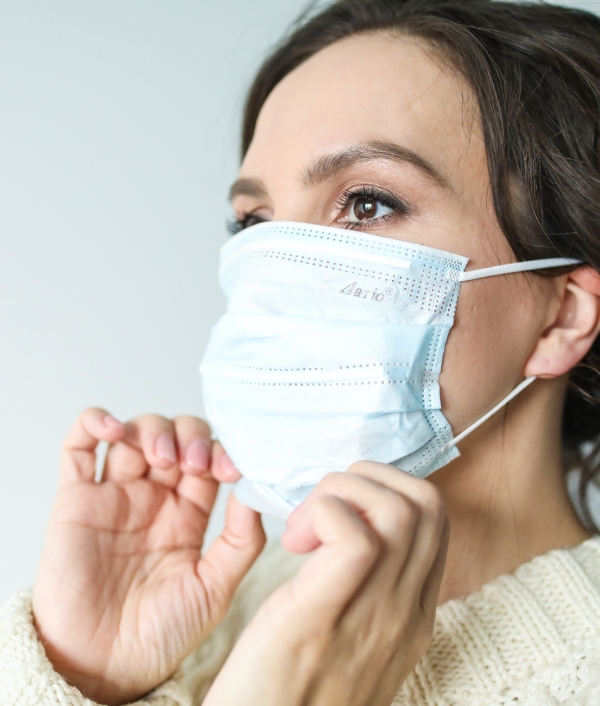
To prevent influenza infection, the flu vaccination remains the most important protective measure - especially for risk groups, but generally for all adults. In addition, tried and tested hygiene rules help to prevent the transmission of the virus: washing your hands thoroughly, coughing and sneezing into the crook of your arm and avoiding unnecessary contact if you have symptoms. Anyone who already feels ill should stay at home and wear a mask in public places to avoid infecting others. People at increased risk in particular should seek medical help at an early stage. In some cases, antiviral medication can mitigate the course of the disease. Timely action can significantly reduce infection and severe courses of the disease.
Further information
Official sources are suitable for up-to-date information on the 2025 flu epidemic in Austria: AGES provides current data on influenza surveillance and case numbers (ages.at), and the Ministry of Health provides information on symptoms, risks and vaccination recommendations (gesundheit.gv.at). These sources are ideal for obtaining well-founded information about the H3N2(K) flu virus and suitable protective measures. If you have any questions about products, we will be happy to advise you on site or write to us via our contact form.
Questions & answers about the H3N2(K) flu virus
What is H3N2(K)?
A new sub-variant of the influenza A H3N2 virus that spreads slightly faster but causes similar symptoms to other flu strains.
Is H3N2(K) more dangerous?
How do you get infected?
Mainly via droplets when coughing or sneezing and via hands that touch surfaces containing the virus.
How can you protect yourself?
Vaccination, regular hand washing, ventilation, avoiding close contact if you have symptoms and wearing a mask in risk situations.
Does the flu vaccination against H3N2(K) work?
Yes, but slightly weakened: the vaccination continues to protect against severe cases, even if the effectiveness against the new H3N2(K) variant may be slightly reduced.