
Sleep disorders & sleep problems - healthy sleep in adults
Healthy sleep is an essential prerequisite for physical well-being, mental performance and emotional stability. Nevertheless, sleep problems are widespread: Many adults suffer intermittently or permanently from problems falling asleep, difficulty sleeping through the night or non-restorative sleep. If these complaints persist for a longer period of time, we speak of a sleep disorder. Sleep problems not only have an impact on daily form, but can also affect health in the long term. In addition to the duration of sleep, the quality of sleep plays a decisive role. The goal is regular, deep and restful sleep that allows the body to regenerate sufficiently.
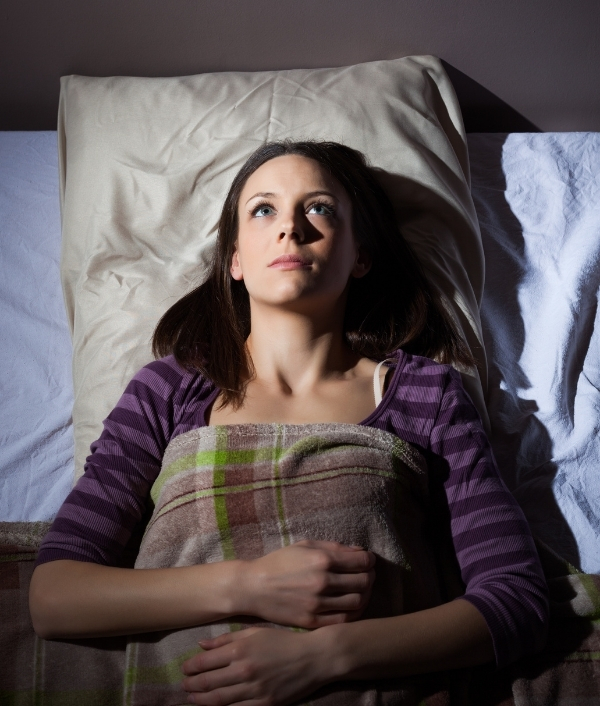

Sleep problems and sleep disorders: possible causes
Sleep problems are often caused by external and internal pressures. The most common causes include stress, worries and high pressure to perform in everyday life. Irregular sleeping times, working late or intensive screen use in the evening can also disrupt the natural sleep-wake rhythm. Stimulants such as caffeine, nicotine or alcohol also have a negative effect on falling asleep and staying asleep. A lack of exercise, lack of daylight or an unsuitable sleeping environment can also favour sleep problems. In some cases, there are underlying medical causes, such as chronic pain, hormonal changes or side effects of medication. If sleep problems persist for several weeks, a sleep disorder should be medically investigated.
Sleep hygiene: prevention of sleep disorders
Good sleep hygiene is the most important measure to prevent sleep problems. This includes going to bed and getting up at regular times, even at weekends. The bedroom should be quiet, dark and well ventilated, with a pleasant room temperature. The bed should be used exclusively for sleeping and not for watching TV or working. Screen time and mentally stimulating activities should be avoided in the hours before bedtime. Relaxing evening routines support the body in the transition to sleep. During the day, sufficient exercise and daylight promote a stable sleep rhythm, but intensive sporting activities should not take place late in the evening.


When to seek medical advice for sleep problems
Occasional sleep problems are usually harmless and temporary. However, if you have trouble falling asleep or staying asleep for several weeks or experience severe daytime tiredness, concentration problems and loss of performance, you should seek medical advice. Snoring at night with breathing interruptions, frequent awakenings or the feeling of not being rested despite sufficient sleep time can also be indications of a sleep disorder that requires treatment. Doctors can clarify the causes and recommend suitable measures. Pharmacies also offer expert advice on sleep hygiene and supportive products and help to find the right way to deal with sleep problems.
Johann Strauss Pharmacy: Your competent point of contact for sleep problems
If you have any questions about sleep disorders and healthy sleep, the Johann Strauss pharmacy will be happy to provide you with personalised advice. Our specialists will inform you about tried and tested products, help you to use them correctly and give you valuable tips on how to improve your sleep hygiene. Together we will find ways to improve your sleep quality in the long term. Feel free to contact us - we will help you to sleep better and recharge your batteries.

Questions & answers about sleep problems & sleep disorders
Can too much sleep also be harmful?
Yes, long-term excessive sleep can indicate health problems and reduce quality of life.
Does melatonin help with sleep disorders?
Does nutrition influence sleep?
Yes, certain foods and meal times can have a positive or negative effect on sleep.
Are naps during the day harmful?
Short power naps can refresh you, but long or late naps disturb your night's sleep.
How does exercise affect sleep?
Regular exercise usually improves the quality of sleep, but exercising too late can disrupt sleep.