What is the menopause?
Hormonal changes and menopause
In the second half of a woman's life, the menopause marks the end of fertility and an extensive hormonal change. The ovaries gradually reduce their oestrogen and progesterone production so that menstrual periods become increasingly irregular. Eventually, menstruation stops altogether - this is the menopause (the last menstrual period). On average in Austria, the menopause occurs around the age of 51. This hormonal changeover phase can last for several years. The extent to which the menopause is experienced varies from person to person: around a third of women report severe symptoms, a third moderate and a third hardly any problems. According to studies, the age of onset is strongly dependent on genetic factors, but also on lifestyle factors such as smoking or weight.

Typical complaints during the menopause
Physical and emotional changes
Many women experience typical symptoms during the menopause. Up to 85 % of those affected complain of hot flushes and night sweats. Sleep disorders, mood swings or inner restlessness are also part of the symptoms. Sometimes women suffer from depressive moods or irritability. The physical consequences often include weight gain and reduced bone density. In addition, dry skin is often noticeable and many women report vaginal dryness or a more frequent urge to urinate. After the menopause, around one in three women is affected by vaginal dryness. The intensity of the symptoms varies greatly: for some women, the phase passes with no or only mild symptoms, while others notice the change significantly.
Handling and support during the menopause
Healthy lifestyle and self-help
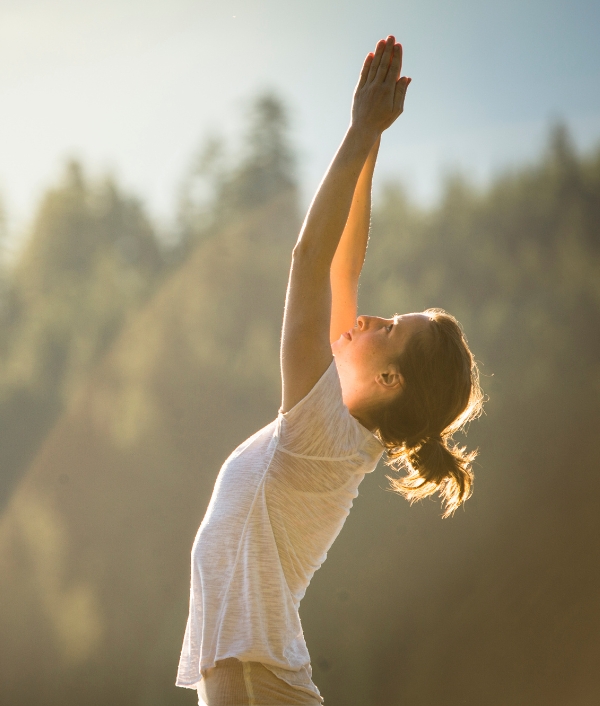
A healthy lifestyle can help to alleviate menopausal symptoms. Regular sport and strength training maintain muscle mass and stabilise the metabolism. In addition to a healthy diet, exercise and giving up smoking also have a favourable effect: studies show that women who exercise and do not smoke enter the menopause later and often with fewer symptoms. Relaxation exercises (e.g. yoga or meditation) and good sleep hygiene can alleviate tension and improve the quality of sleep. Skin, hair and nails often require more care during this time, as falling oestrogen levels make the tissues drier. In the case of severe symptoms, hormone therapy is sometimes advisable, which should be carried out in consultation with your gynaecologist. This can include, for example, hormone-containing creams for vaginal dryness or systemic replacement therapy for severe hot flushes. Do not hesitate to seek medical advice and have check-ups (e.g. bone density check) carried out if you are unsure.
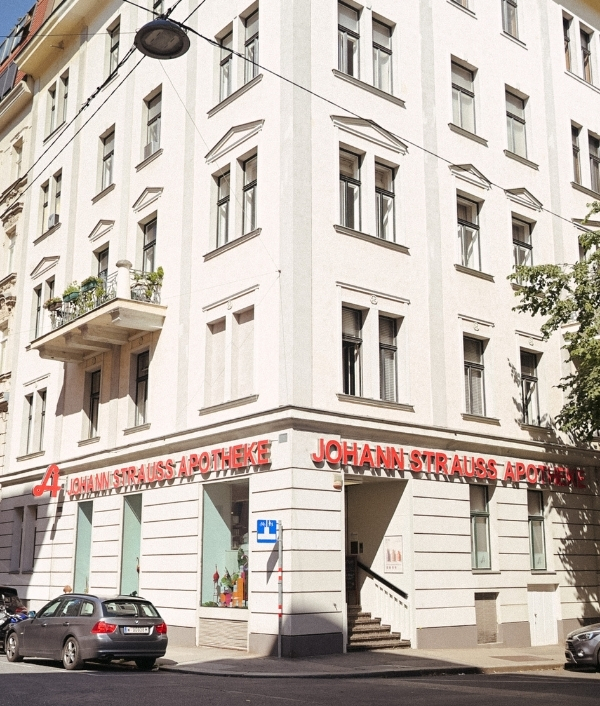
Support from the Johann Strauss Pharmacy
We are a contact point for women going through the menopause. We can provide you with expert advice on your symptoms and suitable product recommendations. Many women are looking for herbal alternatives, and pharmacists can recommend standardised phytopreparations. For example, preparations containing black cohosh (Cimicifuga racemosa) are well researched and effective against hot flushes. Monk's pepper, sage or capsules of soya and red clover isoflavones also have a balancing effect. For vaginal dryness, we offer special moisturising gels with hyaluronic acid or lactobacilli preparations. We also have combined preparations (e.g. „good mood teas“) to combat low moods. We are at your side as competent partners during this phase of your life.