
Facts about migraine
Migraine is a common neurological disorder that affects around 10-15 % of people worldwide, with women being affected three times more often than men. It often occurs for the first time in adolescence or young adulthood. It is favoured by various triggers, including stress, hormonal fluctuations, weather changes, lack of sleep and certain foods such as chocolate or alcohol. Genetic factors also play a role, as migraines tend to run in families. There are different forms, such as migraine with aura, which is experienced by around 20-30 % of those affected. Attacks can occur unpredictably and have a major impact on daily life, restricting work and social activities.
Symptoms of migraine
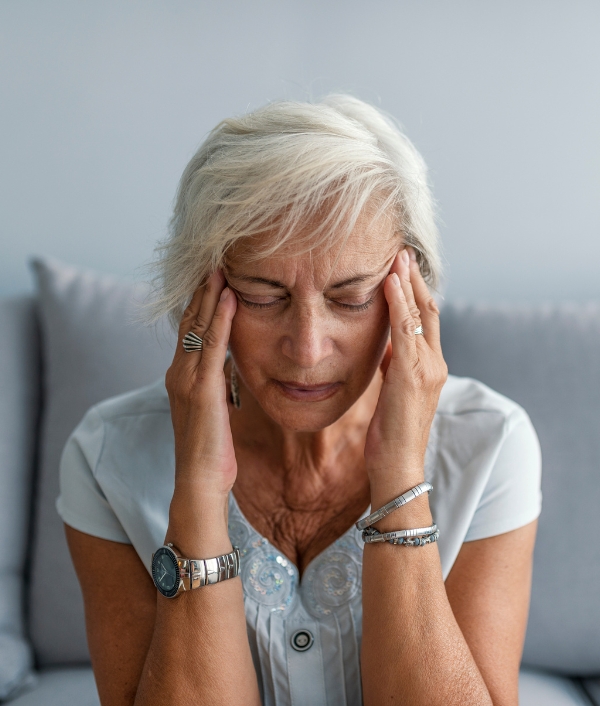
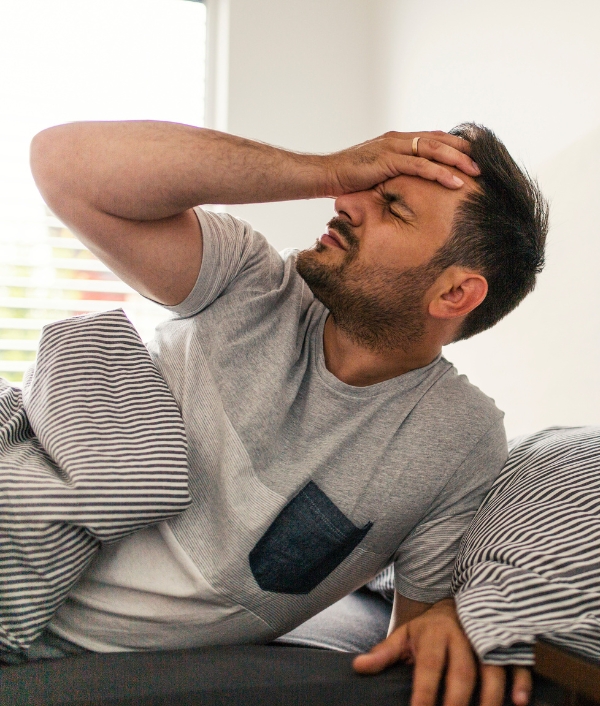
Symptoms are characterised by severe headaches, usually on one side, which are described as pulsating. This pain can last from 4 to 72 hours. Accompanying symptoms often include nausea, vomiting and an increased sensitivity to light, sounds and odours. In around 20-30 % of those affected, a so-called aura occurs, which causes visual disturbances such as flickering, flashes of light or visual field defects. Numbness, speech problems or dizziness can also occur. The intensity of the symptoms varies greatly and can lead to a significant impairment of everyday life. Migraine attacks can also cause emotional symptoms such as anxiety or depression, which can further impair quality of life. The individual perception and course of migraines vary greatly, which requires a precise diagnosis and customised treatment. Many sufferers therefore look for specific triggers in order to better predict and avoid their attacks.
Help with migraines
Various measures can help to alleviate the symptoms of migraines and reduce attacks. Rest in a darkened, quiet room is often helpful to avoid sensory overload. Cool compresses or peppermint oil on the forehead and temples can alleviate the pain. A balanced diet and regular sleep patterns help to prevent this. Relaxation techniques such as yoga or progressive muscle relaxation help to reduce stress, a common trigger.
Migraine diaries can help to identify individual triggers. In acute cases, painkillers or special migraine medication such as triptans can help, but these should only be used after consulting a doctor. Do you still have questions? Then write to us or visit our pharmacy in person.

Doctors
There are several doctors in Vienna who specialise in this area:
- Dr Nadine Vavra is a neurologist and expert in headache and migraine therapy. She was head of the headache outpatient clinic in St. Pölten and offers various treatment approaches. >> Neurologist Dr Nadine Vavra in Vienna
- Surgeon Dr Katharina Schnopfhagen offers comprehensive diagnostics and therapy for patients in her practice in Vienna.
- Dr Michael Stingl cares for patients at the Votivpark specialist medical centre. He specialises in both drug and non-drug therapies. >> Dr Michael Stingl
- Dr Rainer Grass offers specific therapies and triptans for the treatment of migraine in addition to differentiating migraine from other forms of headache. >> Neurologist Dr Rainer Grass
We would like to point out that this is only a selection of possible doctors who can help you both diagnostically and therapeutically.