Increase in sexually transmitted diseases (STDs)
The increase in STIs in Europe poses a serious challenge to public health. According to various studies and reports, the number of infections has been increasing at an alarming rate in recent years, which is linked to a number of factors. Particularly noticeable are diseases such as syphilis, gonorrhoea and chlamydia, which are becoming increasingly common, especially among young adults and certain risk groups. A deeper look at the causes and consequences of this trend is necessary in order to develop targeted prevention strategies.

Causes of the rise in sexually transmitted diseases
The dramatic rise in STIs in Europe is the result of a complex interplay of several factors. One of the main causes is the frequent failure to use condoms, especially during casual sex and in non-monogamous relationships. Many people, especially at a young age, underestimate the risk of infection or consciously accept it. This willingness to take risks is exacerbated by a lack of education, a relaxed attitude towards prevention and the increasing use of dating apps.
Social and cultural changes also play a role. Although the loosening of social norms and an increasingly open approach to sexuality have positive effects on the removal of taboos surrounding sexuality, they also have a negative impact on risk awareness. Many people are not sufficiently aware of the dangers of STDs as they believe that they are easily treatable with modern medicine. However, some diseases such as gonorrhoea and syphilis can lead to long-term health problems without timely treatment.
STDs such as syphilis and gonorrhoea on the rise
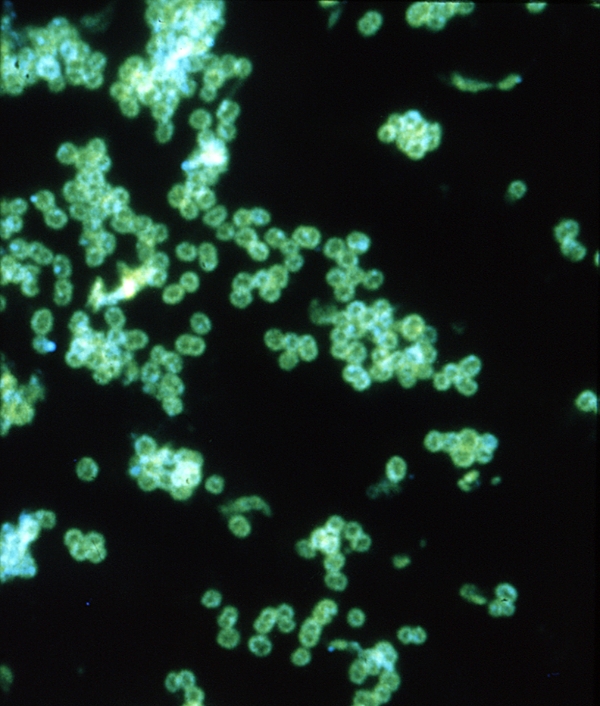
Syphilis and gonorrhoea are on the rise in Europe. According to the ECDC, the number of gonorrhoea cases has risen by more than 30 % in recent years. Young adults between the ages of 15 and 24 are particularly affected. If left untreated, gonorrhoea can lead to serious complications such as infertility. The number of syphilis cases also reached record levels in 2019 that have not been seen since the 1940s.
As syphilis mimics many symptoms of other diseases, it often goes unrecognised and can cause serious damage to health. There are many reasons for the increase, including the relaxation of sexual behavioural norms and the abandonment of safer sex measures. In addition, resistant germs make treatment more difficult, which makes combating these STDs even more difficult.

The role of prevention and education
Prevention is a key factor in the fight against STIs. Effective protection can only be achieved through consistent education and the regular use of condoms. Unfortunately, numerous studies show that many people, especially at a younger age, often fail to take protective measures. One reason for this could be the increasing consumption of so-called “chemsex” drugs or the influence of pornography, which convey a distorted image of sexuality and often lead to risky behaviour.
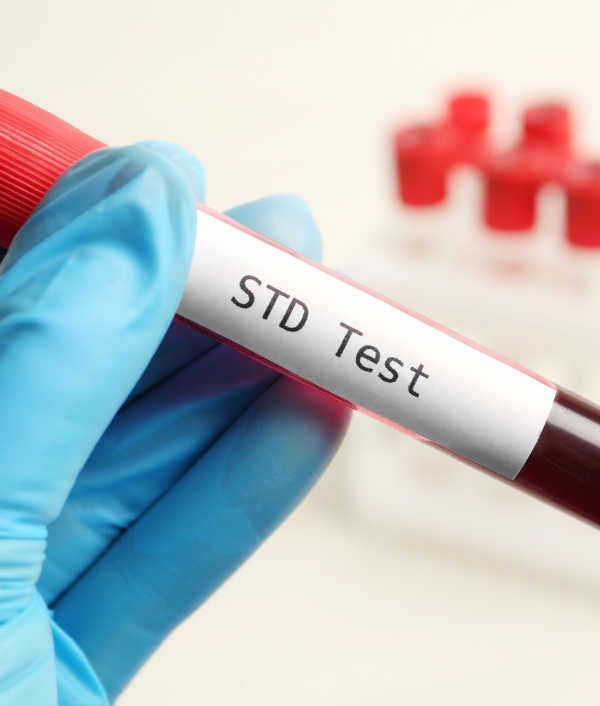
Another aspect is the lack of regular STD testing, especially in people without symptoms. These tests are one of the simplest and most effective ways of recognising and treating infections at an early stage. However, access to testing methods is often not low-threshold enough and not all people take the opportunity to be tested. As a result, infections are spread without those affected realising it. It is therefore of great importance that health organisations and governments invest more in prevention and education to raise awareness of the importance of safer sex and regular testing.
The role of antibiotic resistance
A serious problem in the fight against bacterial sexually transmitted diseases in Europe is the increasing resistance to antibiotics, particularly in the case of gonorrhoea. Resistant strains are spreading worldwide and making the treatment of these diseases more difficult. If left untreated, this resistance can spread and lead to epidemics.
The main cause of the development of resistance is the inappropriate and excessive use of antibiotics. They are often prescribed too quickly or taken in doses that are too low, causing bacteria to become resistant. This makes the treatment of gonorrhoea and other STDs increasingly complicated. Early diagnosis and complete therapy are crucial to prevent the spread of resistant germs.
Combating antimicrobial resistance requires coordinated action at a global level, including promoting the correct use of antibiotics, improving diagnostic technologies and developing new medicines.

Conclusion and outlook
The increase in sexually transmitted diseases in Europe is a growing problem that must not go unnoticed. In addition to increasing prevention measures, such as more intensive education and the promotion of safer sex, it is equally important to intensify research into antibiotic resistance and develop new treatment options. Cooperation between health authorities, doctors and the general public is crucial to getting the problem under control.
Another key point is to sensitise the population to the need for regular testing and early treatment of STDs. Only through a combination of prevention, early diagnosis and effective treatment can the numbers of STDs in Europe be reduced in the long term. In the meantime, it remains important that each individual takes responsibility for their own health and actively contributes to preventing the spread of STDs. You can find more information on the Website of Aids Hilfe Wien or on our Website on the topic of STDs.
Sexual Health Week
From 7 to 12 April 2025 our Sexual Health Week will take place. During this period, we want to raise awareness of sexual health and encourage you to take responsibility for your wellbeing.
Therefore you will receive 10 % discount on all STD self-tests. Take the opportunity to test yourself in an uncomplicated and discreet way - because knowledge protects!