
Recognising and understanding sun allergies
Sun allergy is a common skin reaction that occurs after intense sun exposure. Typical symptoms are redness, itching, blisters or pustules, which often appear after a few hours. Unlike sunburn, it is a hypersensitivity reaction of the skin to UV rays.
People with light-coloured skin or those taking certain medications are particularly sensitive. At our pharmacy, we can advise you on how to correctly recognise and treat the first signs. Early recognition and targeted care can alleviate symptoms and prevent consequential damage. So you can enjoy sunny days without skin problems. Our experts will be happy to advise you personally on site or by telephone.
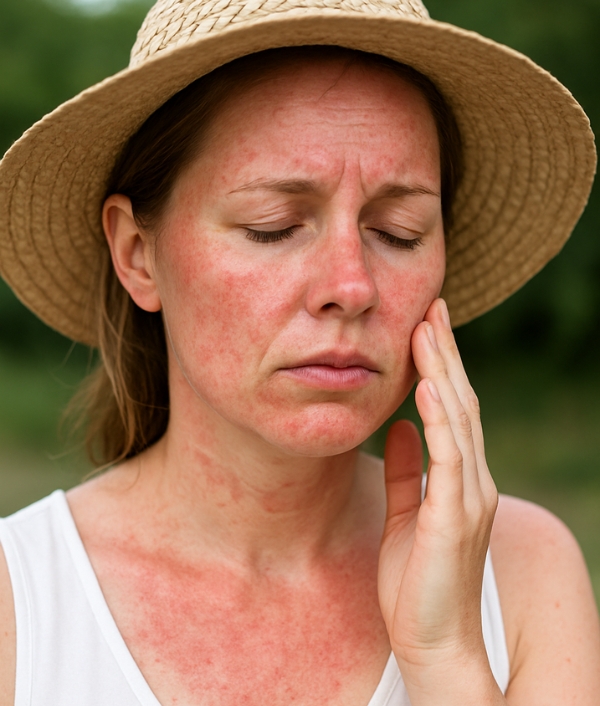

Prevention and protection from sun allergy
The best method against sun allergy is consistent prevention. Avoid direct midday sun and wear protective clothing such as hats and long sleeves. Highly effective sunscreens with a high sun protection factor and UVA/UVB filters are essential to prevent skin reactions.
Slowly acclimatising the skin to sunlight can increase its resistance. Avoiding skin-irritating cosmetics also helps to prevent allergies. In addition, an antioxidant diet supports the skin from the inside. These measures can significantly reduce the risk of sun allergies so that you can enjoy a carefree summer.
Acute help for sun allergy
If a sun allergy occurs, quick relief is important. Cooling lotions and moisturising creams with soothing ingredients such as aloe vera or panthenol soothe irritated skin and reduce itching. Cortisone-free preparations can reduce inflammation and promote the healing process.
Cool the affected areas of skin and avoid further exposure to the sun so as not to aggravate the symptoms. Sufficient fluids also support regeneration. In severe cases, you should seek medical advice. With targeted care and protective measures, you can shorten the healing time and soon enjoy the sun again.
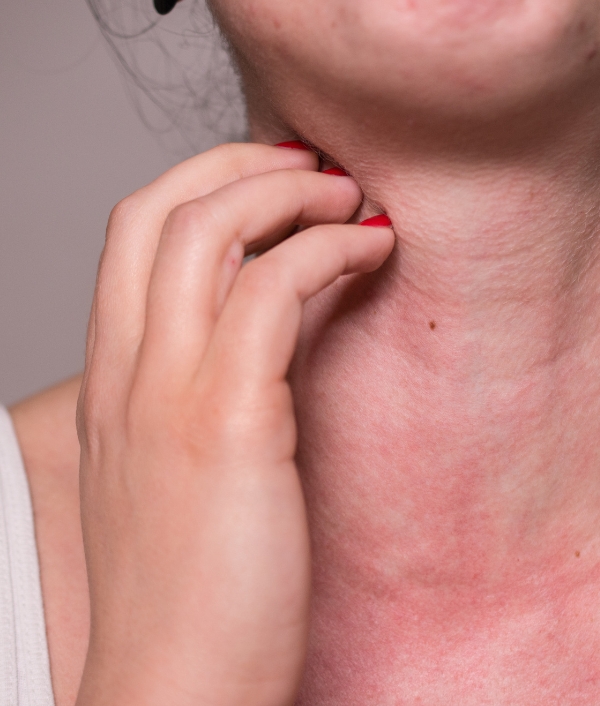
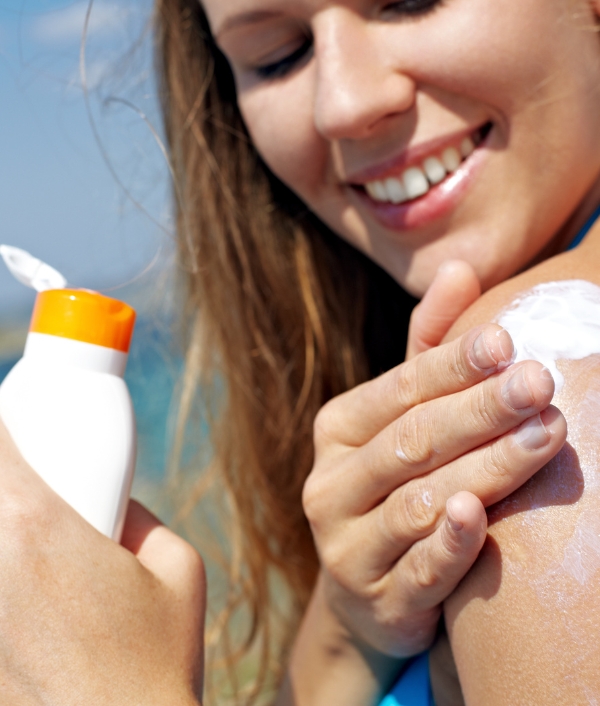
Long-term skin health despite sun allergy
Long-term healthy skin despite sun allergies is possible with targeted care and protection. Antioxidant ingredients such as vitamin E strengthen the skin barrier and help to prevent new reactions. Specialised care products support regeneration and protect against UV damage.
Food supplements with beta-carotene can also make the skin more resistant from the inside. Regular use and a personalised protection plan are crucial. This keeps the skin healthy and radiant, even with sensitive sun skin. It is important to enjoy the sun consciously and with protection and to counteract skin irritation at an early stage.
Our product recommendations for sunny days
In our pharmacy you will find selected products that optimally protect your skin from sunlight and gently care for skin reactions.
3 product tips:
- La Roche-Posay Anthelios UVMune 400 SPF 50+ - Ultra-high UV protection for sensitive skin, reliably protects against UVA/UVB rays and prevents irritation.
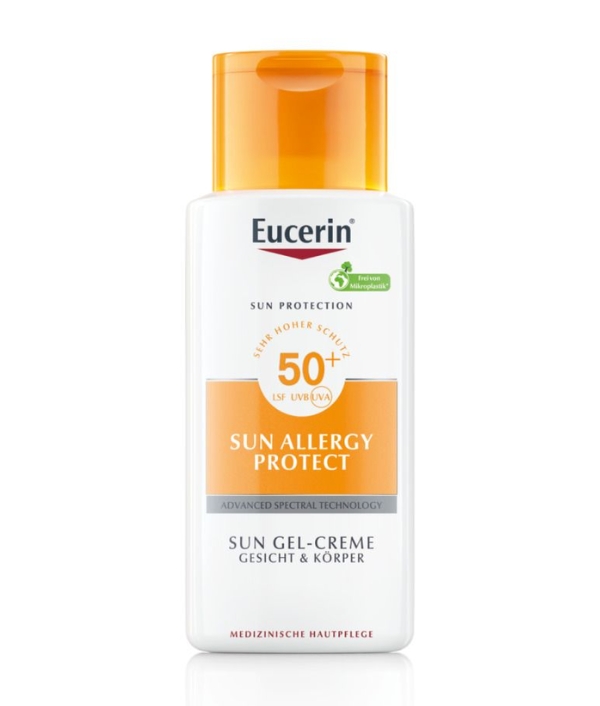
- Eucerin Sun Allergy Protect Gel Cream SPF 50 - Specially developed for sensitive skin, with antioxidants against free radicals. Light, non-greasy texture.
- Heliocare Ultra capsules - With Fernblock® technology and antioxidants, support sun protection from the inside.
2 bonus tips:
- Avène After Sun Repair Lotion - Soothes irritated skin, moisturises and reduces redness.
- Calcium supplements - Support skin metabolism, can reduce skin sensitivity; ideal before and during holidays.
We will be happy to advise you on the application and combination of these products for the best possible protection.
Questions & answers about sun allergy
Can sun allergy also occur in the shade?
Yes, indirect UV radiation from reflection or clouds can also trigger skin reactions.
Are there any medications that can favour sun allergies?
Yes, certain antibiotics, dehydration tablets or painkillers can make the skin more sensitive to light.
Can sun allergies be inherited or learnt?
Direct inheritance is rare, but there may be a genetic predisposition to sensitive skin.
What role does nutrition play in prevention?
Antioxidants from fruit, vegetables and food supplements can make the skin more resistant.
How does sun allergy differ from heat spots?
Heat spots are caused by blocked sweat glands, sun allergy by a reaction to UV light.