Syphilis - an old disease with new relevance
Origin and history
Syphilis is one of the oldest known sexually transmitted diseases. It spread in Europe as early as the 15th century and caused panic. It was a socially taboo subject for a long time until 1905, when the bacterium Treponema pallidum was identified as the trigger. With the discovery of penicillin in the 1940s, the disease seemed to have been almost eradicated.
Why syphilis is returning
Despite medical options, the number of new infections has been on the rise again for several years - especially in large cities. The reasons for this are a decline in sex education, less fear of sexually transmitted infections (STIs) and the decline in consistent safer sex practices. There has been a significant increase in certain population groups such as men who have sex with men (MSM).

Syphilis - transmission routes and risk factors
How syphilis is transmitted
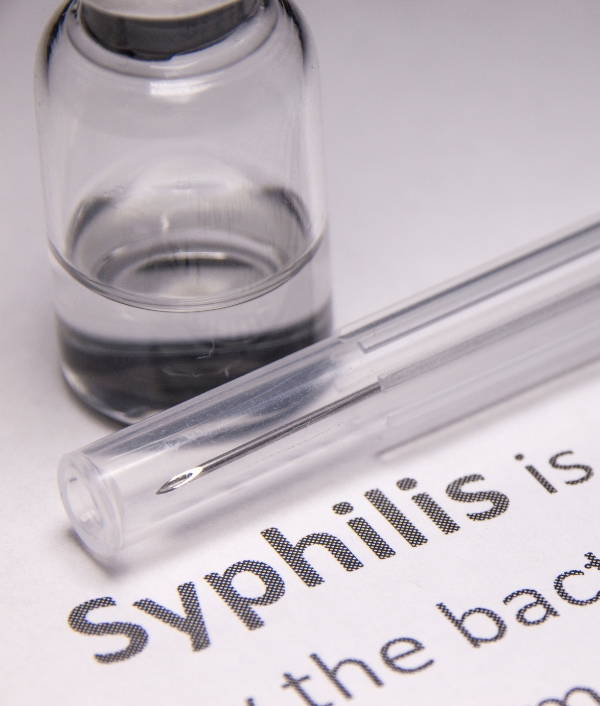
Syphilis infection mainly occurs through unprotected sexual intercourse - vaginal, anal or oral. Contact with infected mucous membranes or skin lesions such as ulcers is often sufficient. Transmission during pregnancy (congenital syphilis) from the mother to the unborn child is also possible and can have serious consequences.
Risk groups and people at risk
The groups most at risk include sexually active people with frequently changing partners, MSM and people with HIV infection. In these groups, syphilis is often diagnosed together with other STIs. People who are active on online dating platforms also tend to be more at risk - especially if they do not use condoms.
Symptoms and course of syphilis
The four stages of syphilis
The course of the disease is divided into four stages. In the primary stage (approx. 2-3 weeks after infection), a mostly painless ulcer (ulcus durum) appears at the site of entry of the pathogen. It often heals spontaneously. In the secondary stage (weeks later), skin rashes, fever, swelling of the lymph nodes and other flu-like symptoms follow. The latent stage progresses without symptoms, whereas in the tertiary stage, organs, the central nervous system or the heart can be permanently damaged years later.
Treacherous progression without symptoms
The problem: many symptoms seem to disappear by themselves without treatment. However, the disease remains in the body and can cause massive damage. If left untreated, late-stage syphilis can lead to paralysis, psychological changes or even death.

Diagnosis and treatment options for syphilis
How is syphilis diagnosed?
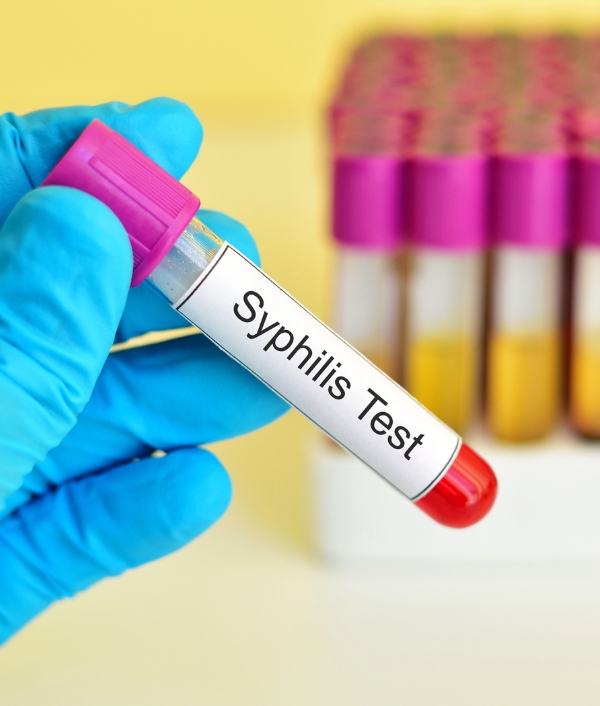
The most important method of diagnosis is the blood test, e.g. at Aids Help Vienna, in which antibodies against Treponema pallidum are detected. In the case of acute symptoms, swabs from lesions or tissue samples are also possible. Early diagnosis is crucial, as the infection is particularly easy to treat in the early stages.
Treatment with penicillin - safe and effective
The proven treatment is with the antibiotic penicillin G, usually as an injection into the muscle. A single dose is often sufficient in the early stages, while several doses over a longer period of time are necessary in later phases. Important: Sexual partners must also be treated in order to avoid reinfection. Follow-up tests ensure that the treatment has been successful.
Syphilis - prevention, education and responsibility
How to protect yourself
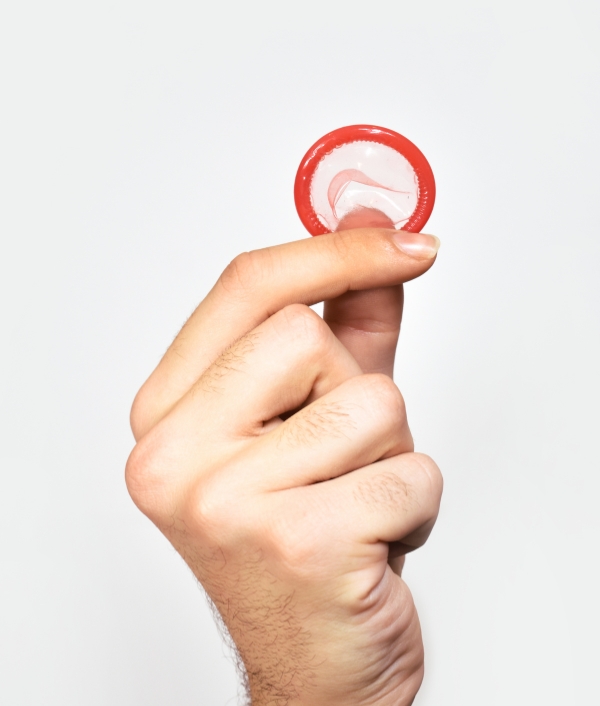
The most important protective measure remains the consistent use of condoms. They reduce the risk considerably, but do not offer complete protection. Regular STI tests are therefore essential, especially if you change partners frequently.
Openness instead of stigmatisation
It is a treatable disease, but it remains dangerous if it is not recognised. Education, especially in schools, on social media and with doctors, is therefore crucial. Only through openness, a sense of responsibility and access to medical advice can the further spread of the disease be curbed. Anyone who recognises symptoms or belongs to the at-risk group should not be ashamed, but should take action.
Questions & answers about syphilis
How soon after sex can the first symptoms of syphilis appear?
About 2 to 3 weeks after the infection - usually in the form of a painless ulcer at the entry point.
Can you get infected with syphilis through oral sex?
Yes - also with the oral sex is a Transfer possible, especially in contact with infected mucous membranes or skin lesions.
How safe is a syphilis blood test and when should it be done?
The test is Very reliable, but should 3 weeks after risk contact at the earliest then the Antibody detection most reliable.
Do I have to inform my sexual partners if I have syphilis?
Absolutely! All partners from the last 3 to 12 months (depending on the stage) should be informed and tested or co-treated become.
Do you remain immune after syphilis treatment?
No, there is No immunity - you can reinfect several times, even shortly after healing.