Allergies as a burden on the immune system and body
Understanding allergies: Triggers, the body's reaction and typical symptoms
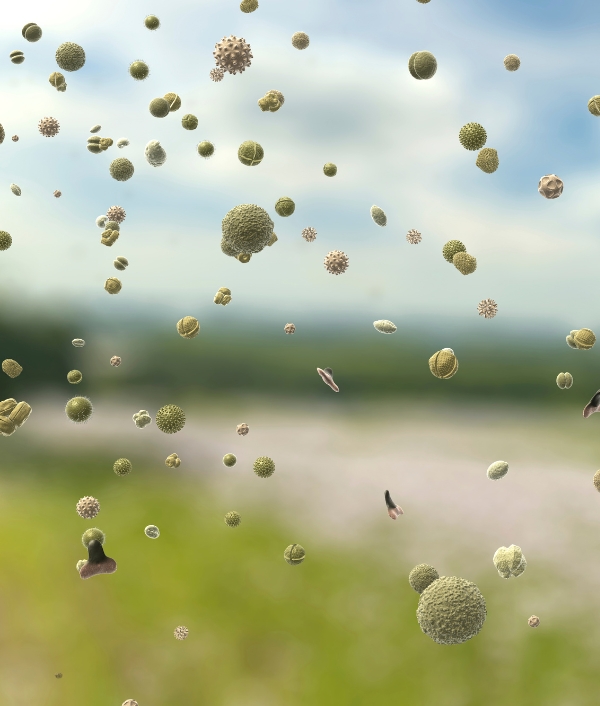
Allergies are among the most common chronic diseases. Around 20 % of the population suffer from seasonal allergies. The immune system reacts hypersensitively to harmless allergens such as pollen from trees, grasses or shrubs. These allergens are the main triggers of the symptoms.
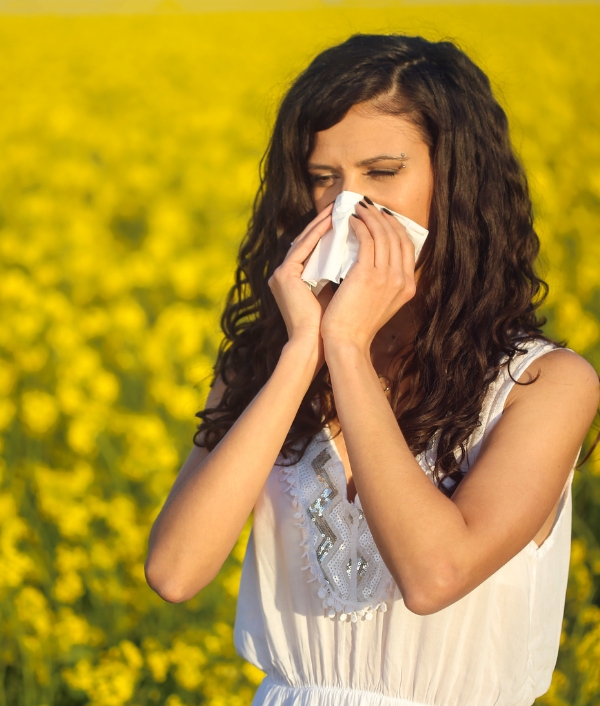
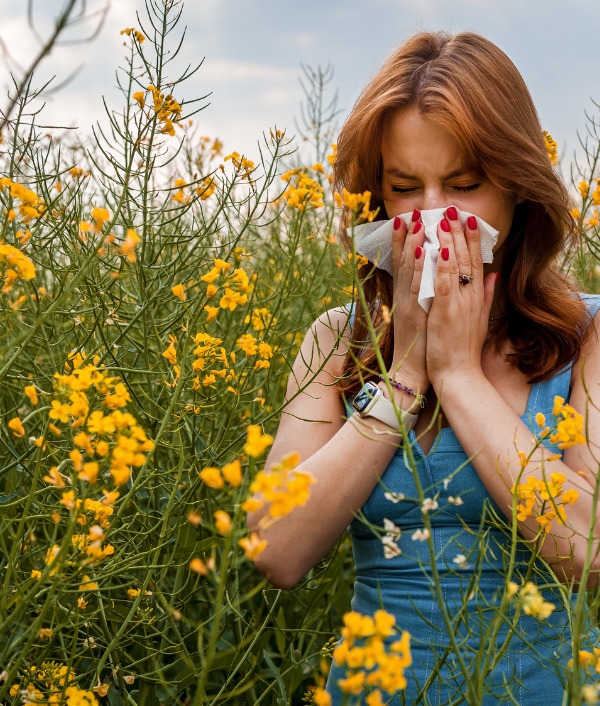
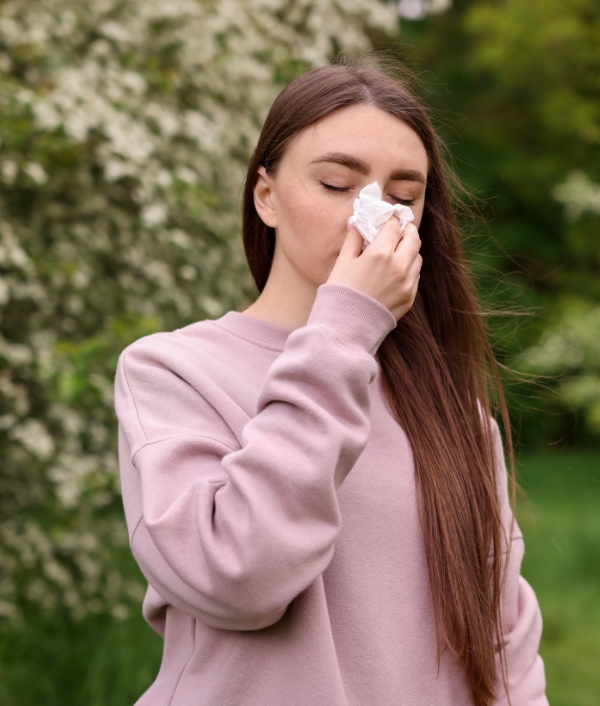
If the body comes into contact with these triggers, the immune system incorrectly categorises them as dangerous. This leads to an allergic reaction. Typical symptoms are
- Itchy, reddened eyes
- Runny or blocked nose
- Sneezing attacks
- Cough irritation
- Tiredness
Some sufferers develop more severe allergic symptoms. Untreated allergies can increase the risk of allergic diseases such as allergic asthma. Children in particular are often sensitive to allergens as their immune system is still developing.
The intensity of the symptoms depends heavily on the pollen concentration. Dry, windy days increase contact with allergens, while rain reduces exposure. The time of day also plays a role: the concentration of many allergens is higher in the morning and evening.
Diagnosis and information: Recognising allergies specifically
An accurate diagnosis is crucial for the right treatment. Many people suspect an allergy but do not know which specific allergens are actually the triggers. A medical clarification - for example through skin or blood tests - provides reliable information. Only with a clear diagnosis can individual settings be adjusted in everyday life. If you know which allergens your own immune system reacts to, you can reduce contact in a targeted manner.
Early diagnosis is particularly important in children. Allergic diseases can change or worsen over the years. Timely clarification helps to avoid secondary diseases such as allergic asthma. In addition, those affected should regularly obtain up-to-date information on pollen exposure. Special apps and online services offer regional forecasts and help to adjust personal settings in everyday life.
Reduce contact with allergens: Practical measures in everyday life
The most effective strategy for allergies is to minimise contact with the triggers as much as possible. Even if allergens cannot be completely avoided, simple measures can significantly reduce the allergic reaction.
Keep an eye on pollen count
Check your current level of stress every day. Outdoor activities should be reduced on days of high concentration. Exposure is usually lower after rain.
Protect living spaces
Allergens often enter indoor spaces unnoticed. Pollen screens, regular ventilation at suitable times and hoovers with HEPA filters help to remove allergens. Shoes should not be worn in the living room to reduce contact.
Cleaning clothes and body
Allergens stick to clothing, hair and skin after spending time outdoors. Change your clothes and take a shower in the evening to remove the triggers from your body. This can reduce allergic symptoms at night.
Protect your eyes
Sunglasses can reduce direct contact of the eyes with allergens. This measure is particularly helpful in windy weather to alleviate symptoms such as itching or tearing.
Dry laundry properly
Drying outdoors can bring allergens onto textiles. It is therefore better to dry clothes indoors.
Nasal and eye rinsing
Nasal irrigation with saline solution helps to remove allergens from the mucous membranes. Eye rinses can also minimise the allergic reaction and alleviate symptoms.
Treatment of allergies: therapy options and long-term strategies
The treatment of allergies depends on the severity of the symptoms and the respective triggers. The aim of any treatment is to control the allergic reaction and improve quality of life.
Drug treatment
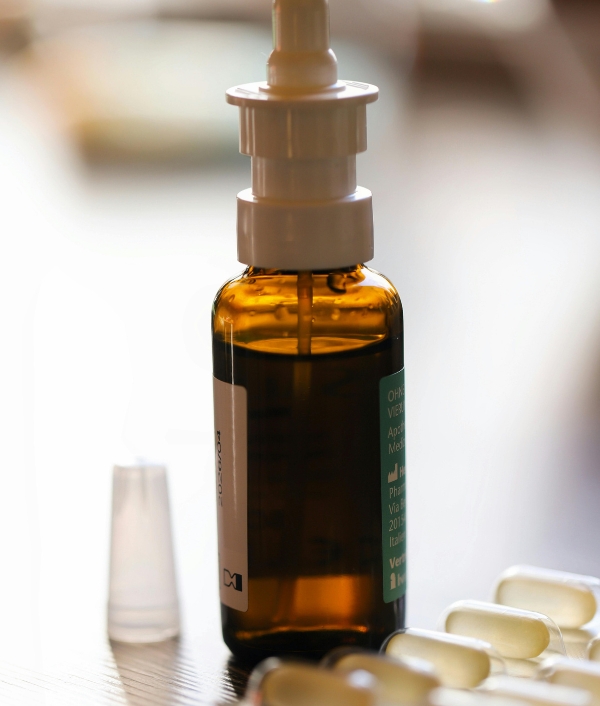
Antihistamines and nasal sprays containing cortisone are among the most common forms of treatment. They reduce symptoms such as sneezing, itching or a blocked nose. Correct application is crucial for successful treatment.
Specific immunotherapy
Specific immunotherapy can be useful for severe or long-lasting allergies. This treatment targets the immune system directly and aims to reduce the overreaction to certain allergens in the long term. It is currently the only causal treatment method for certain allergic diseases.
Customise individual settings
In addition to medical treatment, personal attitudes play a key role in everyday life. If you know your triggers and regularly obtain information about your current exposure, you can control your contact with allergens in a targeted manner.
Well informed through the allergy season
Allergies are complex diseases in which the immune system overreacts to certain allergens. The resulting allergic reaction can place a heavy burden on the body and, if left untreated, can lead to further illnesses such as allergic asthma. A clear diagnosis, targeted treatment and conscious adjustments in everyday life help to reduce symptoms. Children in particular benefit from early diagnosis and consistent measures.
Anyone who regularly obtains information, knows their personal triggers and minimises contact with allergens can cope much better with the allergy season and improve their quality of life in the long term.