Gut health: Our gut as part of a complex system
Support yourself and your gut with a balanced diet and a balanced lifestyle. Gut health influences our immune system, mood and energy levels. A healthy intestinal flora promotes digestion, nutrient absorption and defence against diseases.

Intestinal health as a central topic
Intestinal health is a key issue for more and more people, as stress, psychological problems, poor diet, taking medication and lack of exercise can have a negative impact on the interaction of billions of microorganisms in our digestive system.
The intestine is not only responsible for the digestion of food, the absorption of nutrients and the excretion of waste products, but also regulates almost all of the body's functions via a complex network of nerves. all other organs of our body including the psyche.
A balanced diet with fibre-rich foods, probiotics and sufficient water as well as regular physical activity and enough sleep can contribute to intestinal health.

The intestine and its functions in the body
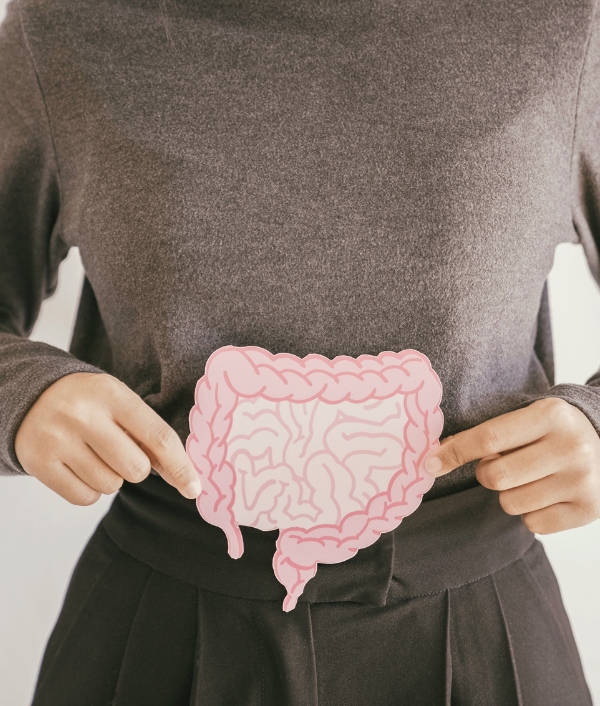
The Intestine is part of the digestive system and consists of the small intestine and the large intestine. Its main function is to absorb nutrients from food and remove waste products from the body.
Small intestine
The small intestine is the longest part of the digestive tract and plays a central role in the digestion and absorption of nutrients. It is divided into three sections: Duodenum, jejunum and ileum. In the small intestine, nutrients are absorbed into the bloodstream to provide the body with energy and support important functions.
Large intestine
The large intestine follows the small intestine and is responsible for the absorption of water and electrolytes as well as the formation of faeces. It consists of the ascending, transverse, descending and S-shaped sigmoid colon, which merges into the rectum at the end.
The intestinal flora
The gut flora, also known as the gut microbiome, harbours a variety of microorganisms that are involved in digestion, immune function and other important physiological processes. A healthy gut flora is crucial for maintaining gut health and general wellbeing.
Problems with the bowel?
Disorders of the intestines can lead to various health problems, including
- Digestive disorders
- Nutrient deficiency
- Intestinal diseases
Maintaining a balanced diet, adequate hydration and regular physical activity can help to maintain gut health and improve wellbeing.
What does gut health mean?
A healthy gut plays an important role in overall well-being and health, as it is responsible for the digestion of food, the absorption of nutrients and the elimination of waste. Good gut health is crucial for
- the Maintaining the immune system,
- the Regulation of the metabolism and
- the Prevention of diseases.
A healthy gut flora, consisting of a variety of beneficial bacteria and microorganisms, is crucial for optimal digestion and maintaining a healthy immune system. An imbalance in the gut flora can lead to digestive problems, inflammation, nutrient deficiencies and other health issues.

Good to know: What makes a healthy gut
To summarise briefly: A healthy diet and an active lifestyle help the gut to work properly. So you feel good!
5 factors that influence gut health
- Nutrition
- Lifestyle
- Taking antibiotics
- Stress
- genetic factors
This promotes intestinal health
- High-fibre diet
- Drink enough water
- Regular physical activity
- Limit consumption of processed foods and sugar
- Reduce stress
Benefits of a healthy gut
- better digestion
- Stronger immune system
- Less inflammation
- lower risk of intestinal problems such as irritable bowel syndrome, inflammatory bowel disease
- Intestinal diseases and bowel cancer
Symptoms to check: How to recognise an irritated bowel
Irritable bowel syndrome is a common problem characterised by recurring Abdominal pain, Flatulence, Diarrhoea or Constipation expresses.
The exact causes are often unclear, but stress, certain foods and a disturbed intestinal flora can play a role. Treatment involves a combination of dietary changes, stress management and, if necessary, probiotic preparations such as OMNi-BiOTiC®.


How do I support gut health?
Integrate the following things into your everyday life - this way you can support your own intestinal health and reduce the risk of intestinal problems.
Healthy nutrition: A high-fibre diet - consisting of fruit, vegetables, wholegrain products, pulses and nuts - can help to promote intestinal health. These foods support healthy intestinal flora and improve digestion.
Probiotics and fermented foods: Probiotics are beneficial bacteria that support the intestinal flora. Regular consumption of probiotic foods such as yoghurt, kefir, sauerkraut, kimchi, kombucha or miso (from the production of Viennese miso) can help to maintain the balance of the intestinal flora.
Adequate fluid intake: Drinking enough water is important to promote good digestion and the transport of nutrients through the gut. Make sure you drink enough water to support healthy bowel function.
Stress reduction: Chronic stress can have a negative impact on gut health. Practise stress reduction techniques such as meditation, yoga, deep breathing or regular physical activity to reduce the effects of stress on the gut.
Fewer harmful substances: Avoiding excessive alcohol and cigarette consumption and reducing the consumption of processed foods and sugary drinks can help to support gut health.
Regular exercise: Regular physical activity can stimulate bowel movements and improve digestion. Structured exercise and daily movement can help to promote overall bowel health.
Questions & answers about gut health
Do I need a bowel treatment after taking antibiotics?
How can I restore intestinal health naturally?
How is gut health connected to my body?
What diet is good for a healthy gut?
How does the Johann Strauss Pharmacy support me with irritable bowel syndrome?
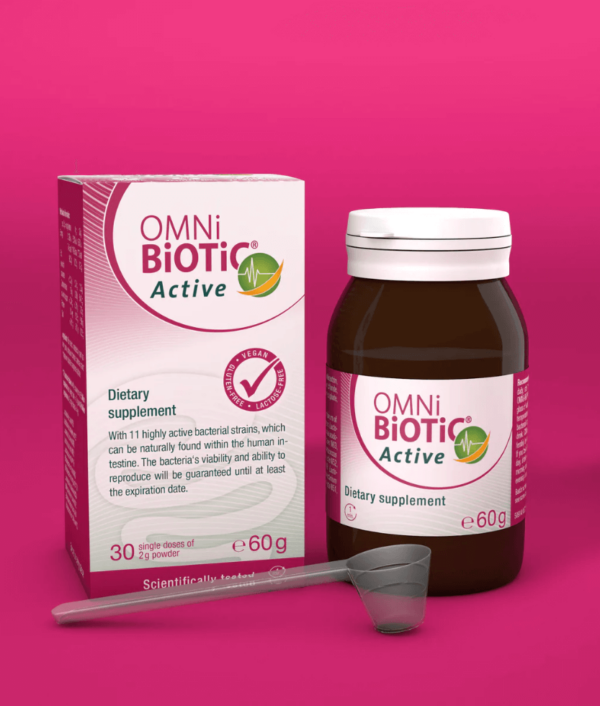
OMNi-BiOTiC® products available in the Johann Strauss pharmacy
We will be happy to advise you on your intestinal health at our Johann Strauss pharmacy. Our team is highly trained and familiar with the high-quality products from OMNi-BiOTiC®.
OMNi-BiOTiC® stands for holistic, probiotic medicine and supports the health of your intestines. The philosophy is to strengthen people with the forces of nature before illnesses arise. Find out more about the OMNi-BiOTiC® vision, the importance of intestinal health and which products you can use for this.