
Allergy
Allergies are widespread health problems that affect more and more people worldwide and have a significant impact on their everyday lives. Below you will find the most important facts on this topic.

What is an allergy?
An allergy is a hypersensitive reaction of the immune system to a normally harmless substance known as an allergen. Typical allergens can be pollen, animal hair, certain foods, insect bites, house dust mites or mould spores.
When a person suffering from allergies comes into contact with an allergen, their immune system overreacts and produces antibodies that can cause a variety of symptoms, such as skin rashes, itching, sneezing, runny nose, coughing, difficulty breathing or even anaphylaxis, a life-threatening allergic reaction. Treatment for allergies can include avoidance of allergens, medication to relieve symptoms and in some cases immunotherapy.
Types of allergy
There are a variety of allergies that can be attributed to different allergens. Some of the most common allergies include
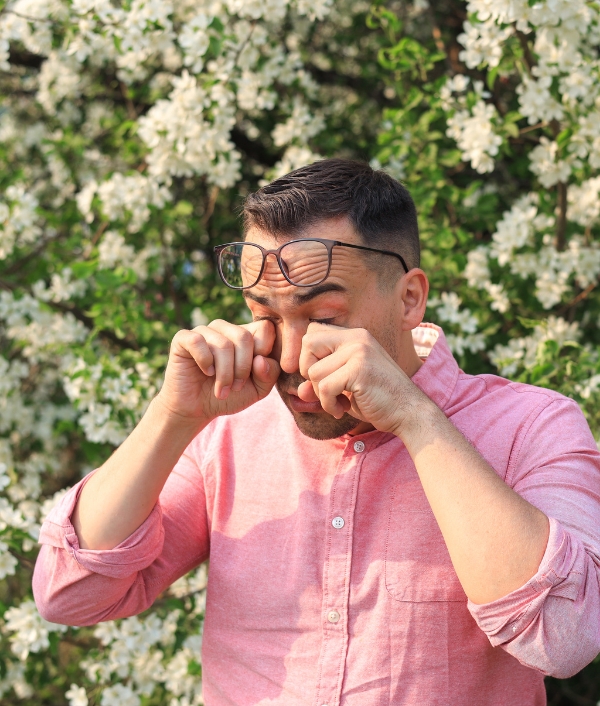
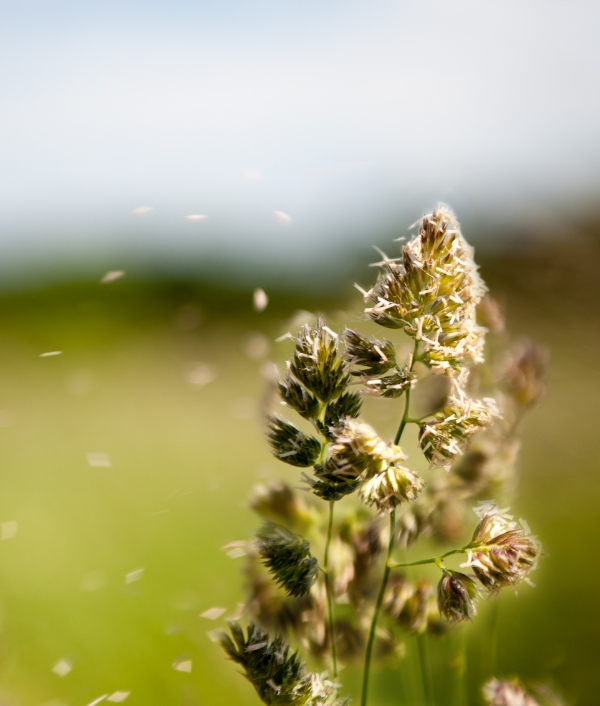
- Pollen allergy (hay fever): Caused by pollen from trees, grasses and weeds, typically during certain seasons.
- Food allergies: This includes reactions to foods such as peanuts, dairy products, eggs, fish, seafood, soya, wheat and other foods.
- Insect venom allergies: Reactions to insect venom such as bee or wasp stings, which can trigger severe allergic reactions in some people.
- House dust mite allergy: Caused by tiny arachnids that live in dust accumulations in houses, especially in beds, upholstered furniture and carpets.
- Animal allergies: Reactions to hair, dander or saliva from pets such as cats, dogs or horses.
- Mould allergy: The triggers are mould spores, which can occur in damp environments such as bathrooms, cellars or in nature.
- Drug allergies: Reactions to certain medications such as antibiotics, aspirin or non-steroidal anti-inflammatory drugs (NSAIDs).
This list is not exhaustive as there are many other possible allergens that people can react to. The symptoms and severity of the allergic reaction can vary depending on the person and the allergen.
Symptoms of allergy
Allergies can cause a variety of symptoms, ranging from mild to severe. The most common symptoms include
- Sneezing and runny nose: These symptoms typically occur with allergies to pollen, house dust mites, animal dander and moulds.
- Itchy, watery eyes: A common sign of allergies, especially pollen allergies and house dust mite allergies.
- Skin rashes and itching: Allergic reactions can lead to skin rashes such as hives (urticaria) or eczema, which may be accompanied by itching.
- Cough and breathing difficulties: Allergic reactions can affect the airways and cause symptoms such as coughing, shortness of breath or chest tightness, especially in asthma.
- Swelling: Allergic reactions can lead to swelling of the face, lips, tongue or throat, which can be potentially dangerous, especially if the airways are affected.
- Gastrointestinal symptoms: Some people may experience allergic reactions in the gastrointestinal tract after eating certain foods, which may include nausea, vomiting, abdominal pain or diarrhoea.
- Anaphylaxis: In severe cases, an allergic reaction can lead to a life-threatening situation known as anaphylaxis. Symptoms include shortness of breath, dizziness, rapid heartbeat, low blood pressure and unconsciousness.
Symptoms may vary depending on the person, the allergen and the severity of the reaction. If an allergic reaction is suspected, it is important to seek medical help, especially if there are signs of anaphylaxis.


First aid for allergies
If you suspect you have an allergy, there are several steps you can take to relieve your symptoms and avoid allergen exposure. Here are some tips:
- Identify your allergens: Try to find out which substances you are allergic to by having an allergy test carried out or by associating your symptoms with certain situations or exposures.
- Avoid allergens: Once you have identified your allergens, try to reduce or avoid exposure to them as much as possible. This may mean avoiding certain foods, reducing your contact with pollen or keeping your home free of dust mites.
- Use medication: Antihistamines, nasal sprays, eye drops and other over-the-counter or prescription medications can help control your allergic symptoms. Talk to your doctor about the most appropriate options for your specific symptoms.
- Allergen-specific immunotherapy (hyposensitisation): For some people with severe or difficult to control allergies, immunotherapy may be considered. This treatment involves gradual exposure to the allergen to reduce the immune system's response over time.
- Have emergency medication ready: If you suffer from severe allergies, especially if you are at risk of anaphylaxis, you should always carry an emergency kit with you and inform your family, friends and colleagues how to react in an emergency.
- Follow a healthy lifestyle: A healthy lifestyle, including a balanced diet, regular exercise and adequate sleep, can help to strengthen the immune system and alleviate the symptoms of allergies.
If your allergic symptoms are severe or you have difficulty controlling them, it is important to see an allergist or a doctor who specialises in allergies. They can help you with the diagnosis and create a personalised treatment plan. In urgent emergencies, call the emergency medical service on 141.
Allergy centres Vienna
Do you have any questions or need help? The following centres / doctors can help you. Please note that this is only a small selection of possible doctors / centres. In urgent cases, call the emergency medical service on 141.