
Blood pressure explained simply
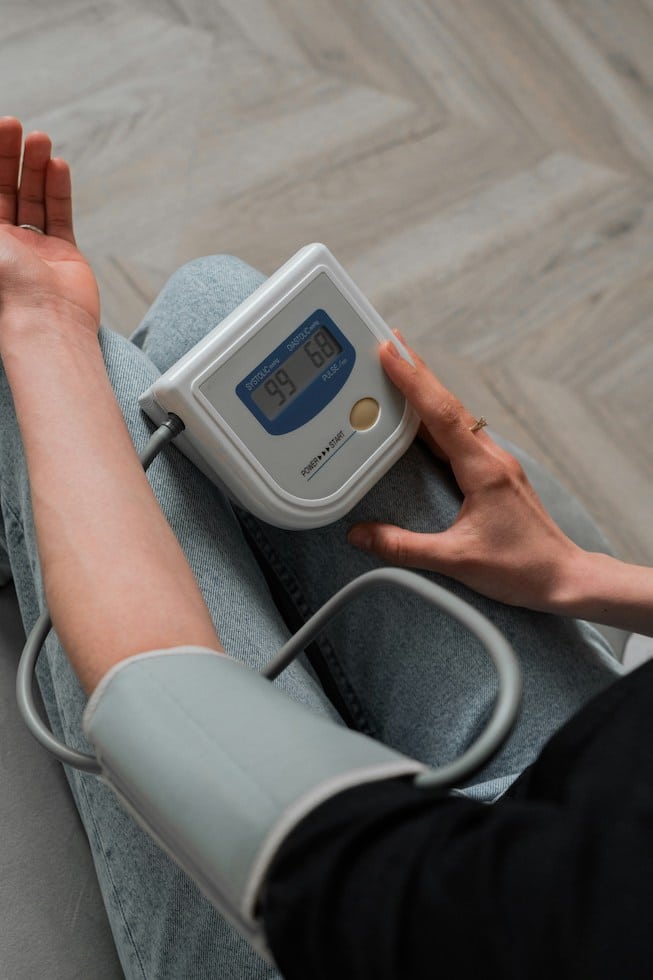
Blood pressure is the force with which the blood presses against the walls of the blood vessels as it circulates through the body. It is usually expressed in two measurements: systolic and diastolic blood pressure.
The systolic pressure is the higher value and represents the pressure when the heart contracts and pumps blood into the arteries. The diastolic pressure is the lower value and indicates the pressure when the heart relaxes and fills with blood.
Normal blood pressure is typically around 120/80 mmHg (millimetres of mercury). Deviations from this value can indicate health problems, such as hypertension (high blood pressure) or hypotension (low blood pressure).
Why an appropriate blood pressure is important
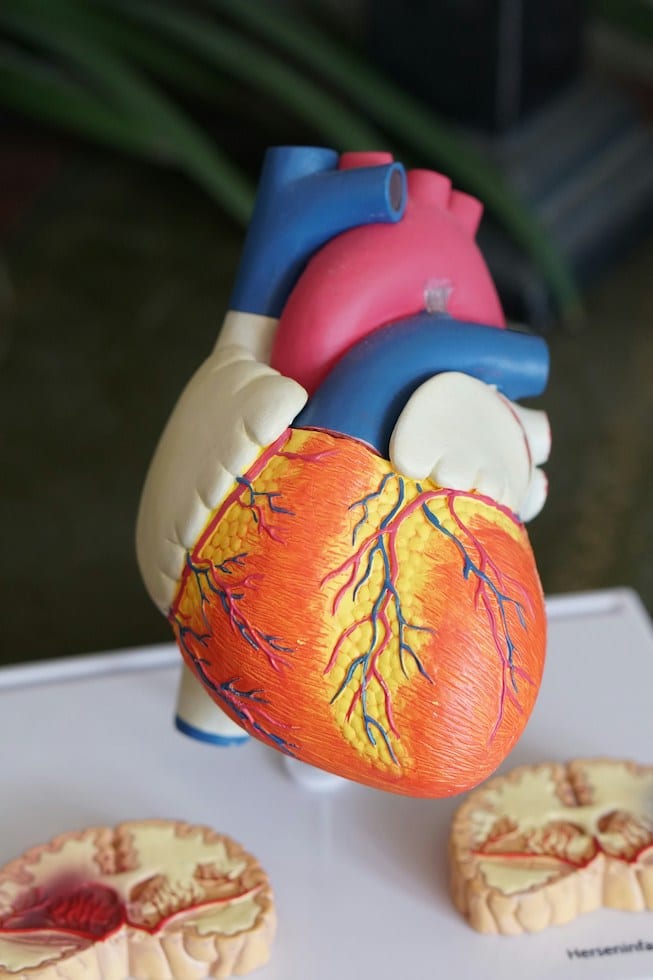
Adequate blood pressure is important because it plays a crucial role in the health of the cardiovascular system. Blood pressure that is too high or too low can cause various health problems:
- High blood pressure (hypertension): Permanently high blood pressure can increase the risk of cardiovascular diseases such as heart attack, stroke, heart failure, kidney disease and other complications.
- Low blood pressure (hypotension): Low blood pressure can cause dizziness, fainting, fatigue and weakness. In some cases, low blood pressure can also indicate underlying health problems, such as hormonal imbalances, dehydration or heart disease.
Adequate blood pressure is therefore important to reduce the risk of cardiovascular disease and maintain general health. It is advisable to monitor your blood pressure regularly and take measures to control it if necessary, such as a healthy diet, regular physical activity, stress management and, if necessary, taking medication under medical supervision. The Austrian Chamber of Pharmacists explains how you can measure your blood pressure correctly.
What to do for an appropriate blood pressure?
The following measures help to maintain or lower blood pressure within a healthy range:
- Healthy nutrition: Make sure you eat a balanced diet with plenty of fruit, vegetables, wholemeal products, lean protein and healthy fats. Reduce salt, sugar and highly processed foods.
- Regular exercise: Around 150 minutes of moderate physical activity per week (e.g. brisk walking, cycling, swimming) strengthens the cardiovascular system and lowers blood pressure.
- Healthy body weight: Being overweight puts a strain on the heart. A combination of exercise and a healthy diet helps to achieve or maintain a normal weight.
- Reduce stress: Constant stress can increase blood pressure. Relaxation techniques such as meditation, yoga or deep breathing can help you deal with stress better.
- Avoid alcohol and nicotine: Only drink alcohol in moderation and avoid smoking, as both can have a negative effect on blood pressure.
- Regular medical check-ups: Have your blood pressure measured regularly. This allows problems to be recognised early and treated individually - with medication if necessary.
This combination of lifestyle factors can make a significant contribution to improving blood pressure in the long term.