
Flu epidemic - recognise & act early
Flu
The real flu (influenza) is a sudden, severe viral infection with high fever, aching limbs and a strong feeling of illness. Typical symptoms are chills, headache, sore throat and a dry cough. Older people, pregnant women and people with previous illnesses are particularly at risk, as complications such as pneumonia can occur. Medical treatment and sufficient rest are essential.
Flu-like infection
A flu-like infection is a milder cold that develops gradually with a scratchy throat, runny nose and occasional cough. Fever rarely occurs. The illness usually subsides after a few days. Plenty of fluids, rest and gentle medication support recovery.

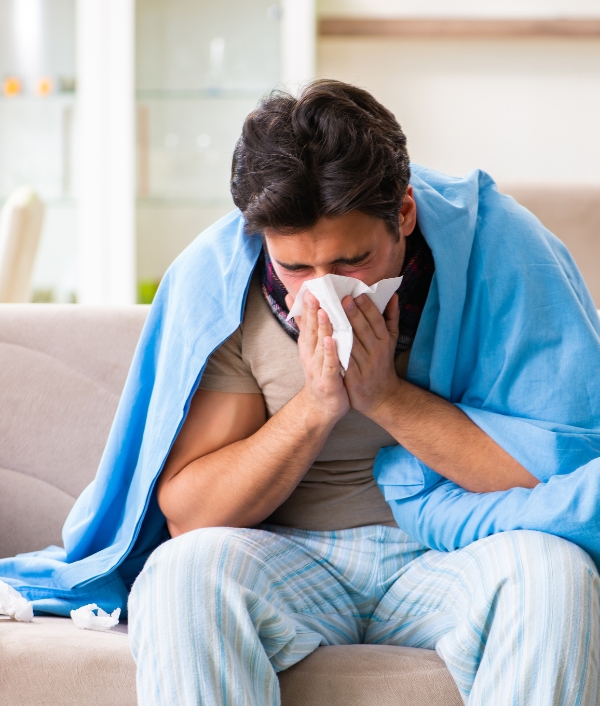
Symptoms and course of the flu
Flu (influenza) usually begins abruptly with a high temperature, chills, severe headaches and aching limbs as well as a general feeling of exhaustion. This is often accompanied by a cough, sore throat and a blocked or runny nose. The flu can be particularly severe for older people, pregnant women or people with pre-existing conditions and can cause complications such as pneumonia. While the first symptoms can often be mistaken for a cold, the typical severe signs of influenza become apparent after a few hours at the latest.
The high fever can last for several days and is often accompanied by heavy sweating and persistent fatigue. Many sufferers also report a loss of appetite, sensitivity to light and dizziness. In severe cases, respiratory problems may occur, making medical treatment necessary. Inadequately treated flu can lead to secondary damage, especially if a secondary bacterial infection is also present. It is therefore important to consult a doctor immediately if you experience persistently high temperatures or increasing breathlessness.
Prevention and protective measures
The best way to protect yourself against the real flu is to get the annual flu jab. High-risk groups in particular should be vaccinated. In addition, simple measures such as regular hand washing, keeping your distance from people who are ill and a healthy lifestyle help to strengthen the immune system. Ideally, the flu vaccination should be given in autumn so that the body has enough time to develop immunity against the current virus strains. Even if the vaccination does not offer 100 per cent protection, it can significantly mitigate the course of the disease and reduce the risk of serious complications.
A healthy diet with sufficient vitamins and minerals also helps to strengthen the body's defences. You should also make sure you drink enough fluids during the cold season, as dry mucous membranes are more susceptible to infections. Avoiding close gatherings of people and regularly ventilating closed rooms can also help to reduce the risk of infection. Anyone who is already showing symptoms of a cold should take it easy if possible and avoid shaking hands or close contact so as not to infect others.
Treatment and recovery from flu
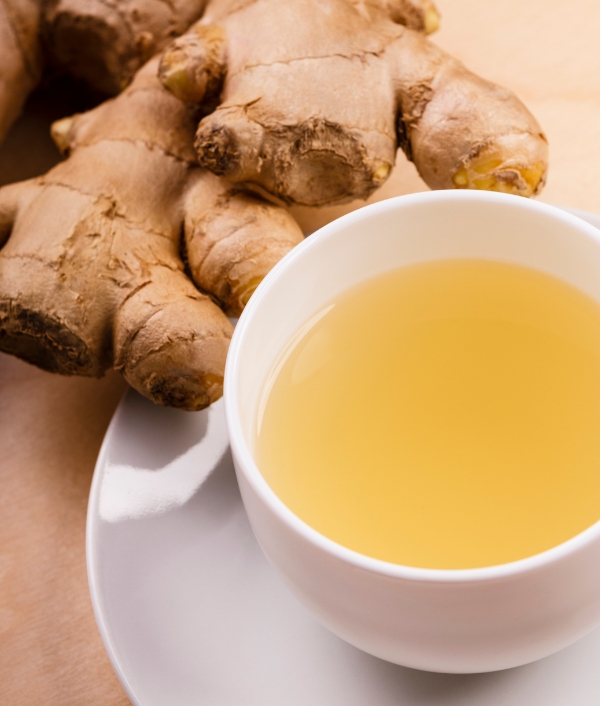
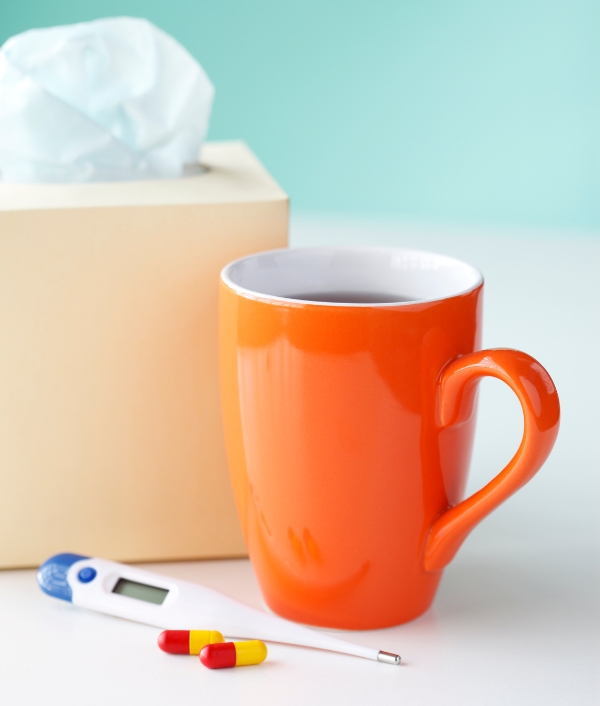
If you have the flu, it is important to take it easy and give your body time to recover. Plenty of fluids, a vitamin-rich diet and sufficient sleep support the healing process. Fever and painkillers alleviate symptoms, while home remedies such as ginger tea or inhalations can help. Rest is crucial to strengthen the body's defences. Herbal teas with honey, warm soups and steam baths with essential oils can alleviate symptoms. Moist indoor air and regular ventilation also help to relieve the mucous membranes and speed up the healing process.
Sport and physical exertion should be avoided during and immediately after the illness, as the body is weakened and the risk of complications, such as myocarditis, is increased. It is particularly important not to push the body too hard again too soon. If the symptoms worsen, a high temperature persists for several days or shortness of breath occurs, a visit to the doctor is strongly recommended. Comprehensive aftercare with a healthy diet, exercise in the fresh air and long-term strengthening of the immune system will help to prevent further infections.
What we can do for you as a pharmacy
In our pharmacy you will receive expert advice on all aspects of flu and colds. We offer:
- Personalised advice on flu vaccination and preventive measures
- Herbal and conventional medical preparations to alleviate symptoms
- Recommendations for supportive home remedies
- Strengthening agent for the immune system
- A wide selection of clinical thermometers, nasal sprays and other products
Our trained staff will give you comprehensive advice, provide valuable tips on prevention and help you find the right remedies to alleviate your symptoms.