Pleasure without suffering: prevent and heal anal fissures
Anal fissures are a common but often taboo problem that particularly affects people who practice anal intercourse. These painful tears in the mucous membrane of the anal canal are caused by mechanical stimuli and can cause severe pain. If left untreated, they can lead to chronic discomfort. In this article, you will find out what anal fissures are, how they develop, what symptoms they cause and what treatment options are available. We also give you valuable tips on prevention to reduce the risk of anal fissures.
What are anal fissures?
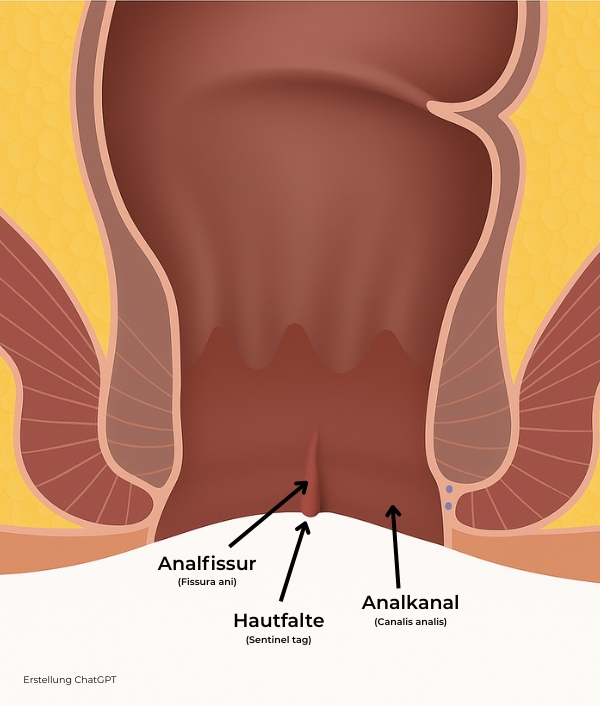
Anal fissures are small tears or ulcers in the sensitive mucous membrane of the anal canal. They are often caused by mechanical stress, such as hard bowel movements, excessive stretching or certain sexual practices. The fissures are particularly painful during and after a bowel movement, and bleeding can often occur. In some cases, a flap of skin may also form, indicating a chronic fissure. If anal fissures are left untreated, they can become inflamed and lead to more serious problems such as abscesses or anal fistulas. It is therefore important to treat the fissures early to avoid long-term discomfort.
Causes and risk factors of anal fissures
There are many different causes of anal fissures. The most common are hard bowel movements and chronic constipation. Pushing causes severe stretching of the anus, which can cause small tears. Diarrhoea can also irritate the mucous membrane and lead to anal fissures. Anal intercourse without sufficient lubricant or without relaxing the sphincter muscle can also cause small injuries in the anus.
Other risk factors include haemorrhoids, which increase the pressure on the anus and make the mucous membrane more vulnerable, as well as inadequate hygiene, which can irritate the skin and make it more susceptible to cracks. Diseases such as Crohn's disease or ulcerative colitis also increase the risk as they weaken the mucous membrane of the anal canal. Stress also plays a role, as it tenses the sphincter muscle and thus makes healing more difficult.
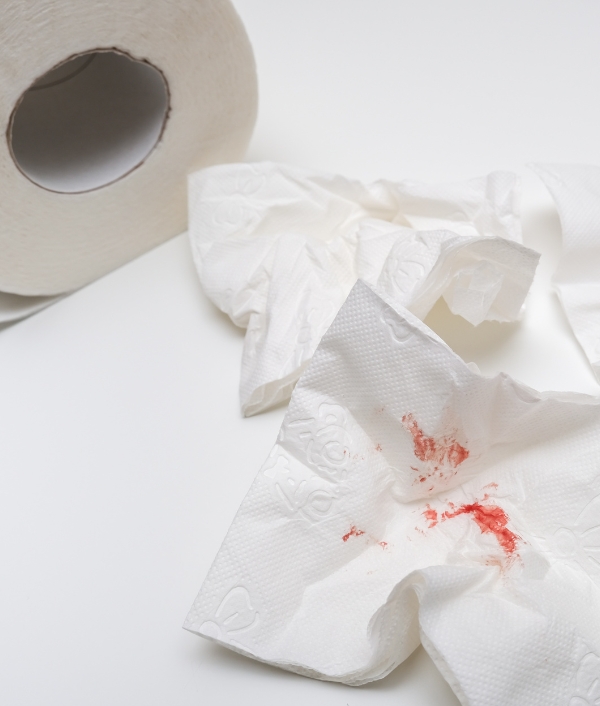
Symptoms of an anal fissure
The symptoms of an anal fissure are usually characterised by severe, stabbing pain in the anus, especially during or after a bowel movement. Traces of blood are often visible on the toilet paper or in the stool. Other symptoms can include a burning sensation, itching and tension in the sphincter muscle, which can make the pain even worse.
In severe cases, swelling of the affected area can occur and the constant pain can make it difficult to sit or stand. Fear of the pain can also lead to suppressed bowel movements, which in turn can cause constipation and worsen symptoms. If anal fissures persist over a long period of time, they can become chronic and lead to recurring symptoms.
Treatment options for anal fissures
Many anal fissures heal on their own within a few weeks if the region is spared. A high-fibre diet and sufficient fluids (at least 2 litres a day) help to keep the stool soft and prevent straining. Sitz baths with camomile or oak bark promote blood circulation and relax the sphincter muscle.
Ointments with active ingredients such as lidocaine or diltiazem can be used for pain relief and healing. For chronic fissures, Botox injections or, in severe cases, surgical procedures such as sphincterotomy or laser therapy are used.

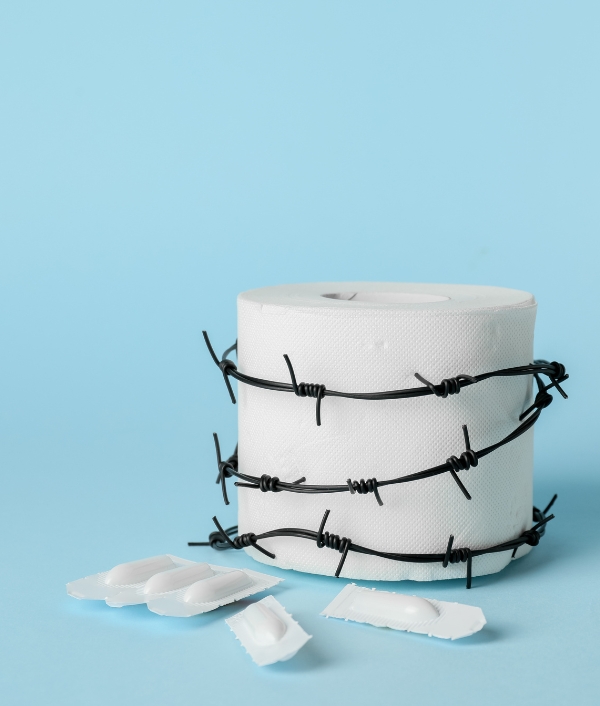
How to protect yourself from anal fissures
The best way to prevent anal fissures is to eat a high-fibre diet, drink plenty of fluids and exercise regularly - this keeps the stool soft and the bowel active. Gentle anal hygiene with water or moist wipes is also gentle on the skin.
Lubricant is important during anal intercourse to avoid friction. Stretching exercises can improve the flexibility of the sphincter muscle. Reducing stress through relaxation techniques and refraining from straining during bowel movements can also help to prevent the condition. Regular medical check-ups help with chronic bowel diseases.
Conclusion
Anal fissures are painful, but can be easily prevented and treated. A high-fibre diet, gentle hygiene, sufficient lubricant and avoiding straining during bowel movements are key preventative measures. Medical advice should be sought at an early stage if symptoms occur.
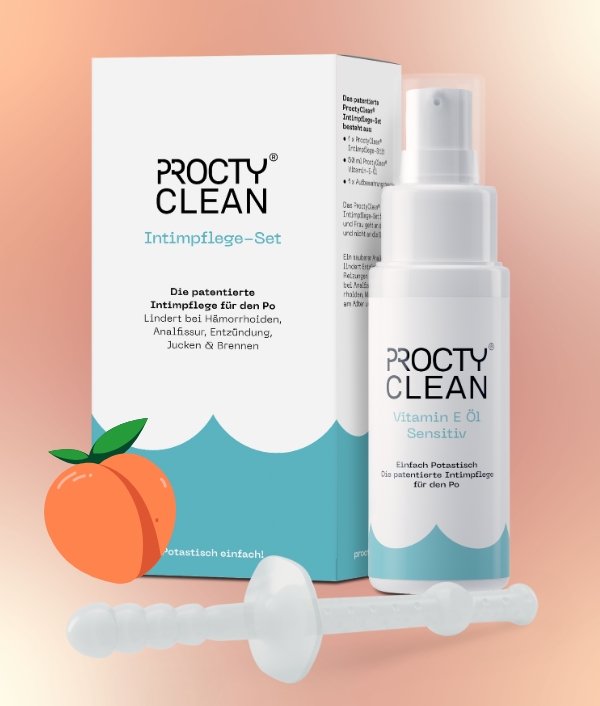
Products such as the Proctyclean anal fissure ointment support healing, have an anti-inflammatory and pain-relieving effect. In addition, wet wipes and nourishing creams from Proctyclean help to improve anal hygiene and promote well-being.