Positive buddies
The „Positive Buddies“ project is a nationwide initiative of AIDSHILFE OBERÖSTERREICH based in Linz. Experienced people who have been living with HIV for a long time accompany newly diagnosed people as buddies and offer them valuable support based on their own experiences.

HIV-positive: support from Positive Buddies
The diagnosis HIV-positive changes a person's life abruptly. The news is often accompanied by strong emotions, insecurities and fears. Many of those affected ask themselves existential questions, ranging from their own life expectancy to their social environment. During this challenging time, support from people who have already had similar experiences can be invaluable. This is precisely where the „Positive Buddies“ project comes in: it offers newly diagnosed people support from experienced HIV-positive people and creates a platform for open dialogue.
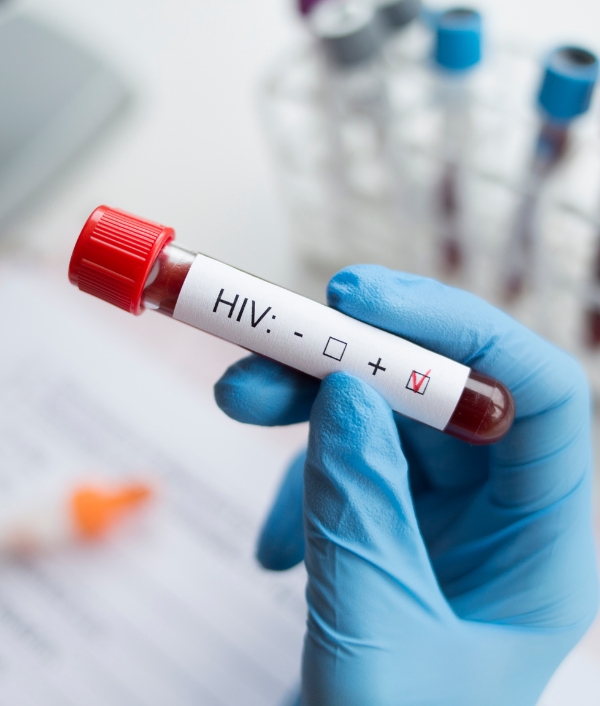

The „Positive Buddies“ project for HIV-positive people
„Positive Buddies“ is an Austria-wide initiative of AIDSHILFE OBERÖSTERREICH, based in Linz. The aim of the project is to accompany people who are newly diagnosed as HIV-positive during the initial phase and to offer them support by sharing personal experiences.
The buddies are HIV-positive themselves and have already learnt to live with their diagnosis. They help to reduce fears, answer questions and show perspectives. This is not about medical or psychological counselling, but about a personal exchange at eye level. Through their own story, the buddies can convey confidence and show that a fulfilling life with HIV is possible.
The project is designed to provide short-term support. The duration and intensity of the support depends on the individual needs of those affected. Participation in the project is voluntary and free of charge.
Support in a challenging time
Being diagnosed as HIV-positive often comes as a shock. Many of those affected are confronted with old, outdated ideas about AIDS, which can lead to panic and uncertainty. Questions such as „Will I have to die soon?“, „Can I still have children?“ or „Who should I tell about my infection?“ often arise.
Positive buddies offer a first point of contact here. They share their own experiences and help to dispel fears. They show that a long and healthy life with HIV is possible thanks to modern therapies. They can also give tips on how to deal with the diagnosis in everyday life, be it in your personal environment, in your relationship or at work.
A central aspect of the project is the exchange of experiences. By talking and sharing experiences, a space is created in which newly diagnosed people feel understood and accepted. This form of support can help them to cope better with the first weeks and months after diagnosis and to gain confidence for the future.
Here you will find helpful links to support services.
Become a Positive Buddy
For the project to be successful, as many people with HIV as possible need to get involved as buddies. Anyone can take part - regardless of gender or age. The decisive factor is that you have come to terms with your own HIV infection to such an extent that you can be an authentic example of living with HIV as a matter of course.
Important prerequisites for being able to support HIV-positive people as a Positive Buddy:
- Ability to reflect on your own infection and life history
- Awareness of your own role as a buddy
- Reliability and sense of responsibility
- Sensitivity to the issue of internalised stigmatisation
- In-depth knowledge about HIV
- Empathy and the ability to maintain boundaries
- Strong communication skills - active listening and support
- Openness to talk about sexuality
- Ability to network with others
- Interest in further training
Before your assignment as a buddy, you will take part in a two-part training course. There you can improve your communication skills with practical exercises such as case studies and role plays. You will also receive basic knowledge about HIV as well as valuable tips on how to deal with discrimination, feelings of guilt and blame.
Are you interested in getting involved or do you have questions about the project? Then please contact one of the two project coordinators: Erik Pfefferkorn and Ingrid Neumeier
Photo Credits: Canva / Positive Buddy
You ask, we answer
The most frequently asked questions after diagnosis.
Who can I tell about my HIV infection and how do I deal with possible reactions?
You decide for yourself who you want to tell. It can help to think about possible reactions beforehand and to seek support.
You are angry about your infection - how can you deal with these feelings?
Anger is understandable. Discussions with buddies or professional counselling can help to process these emotions.
How do you organise your love and sex life in a safe and self-determined way?
Protection through therapy, condoms or PrEP for partners are ways to lead a fulfilling sex life.
What side effects can occur during HIV therapy and how can they be managed?
Side effects vary from person to person. Medical counselling helps to find the best treatment option.
Where can you find medical professionals who specialise in HIV?
How do you react when you experience discrimination at work, at the doctor's surgery or with the authorities?
There are legal protective measures. Counselling centres such as Aidshilfe or anti-discrimination centres can help.
What self-help groups and networks are there for HIV-positive people?
Many AIDS service organisations offer self-help groups and online communities to exchange ideas and receive support.
Where can you get professional advice and further support?
AIDS service organisations, psychosocial counselling centres and specialist organisations are on hand to provide help and advice.