
HPV - a common virus with serious consequences
Human papillomaviruses belong to a group of more than 200 virus types that are extremely widespread. They are mainly transmitted through sexual contact - not only during sexual intercourse, but also through skin contact in the intimate area. Almost every sexually active person becomes infected at some point in their life. The tricky thing is that most of those affected don't realise it, as the infection often goes unnoticed and is fought off by the immune system. While many types are harmless, there are some variants that can cause serious illness. The mucous membranes of the genital area, mouth and throat are particularly affected. The viruses therefore do not stop at gender boundaries - they affect people of all ages and genders.
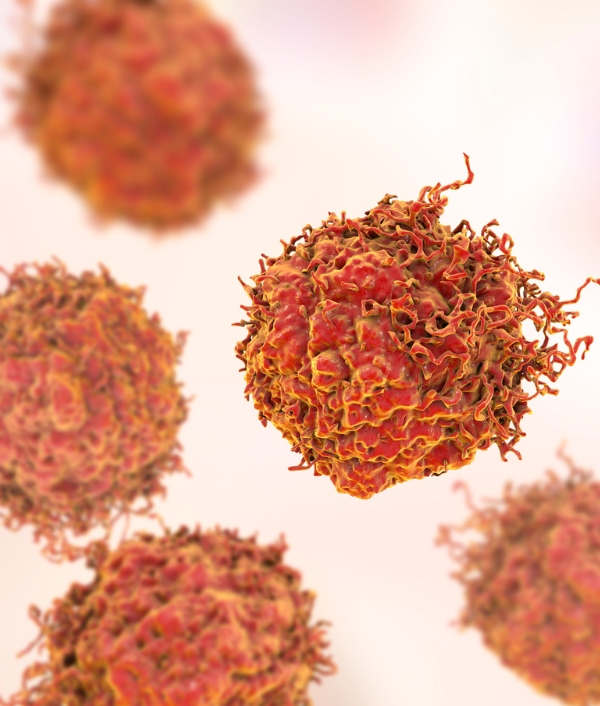
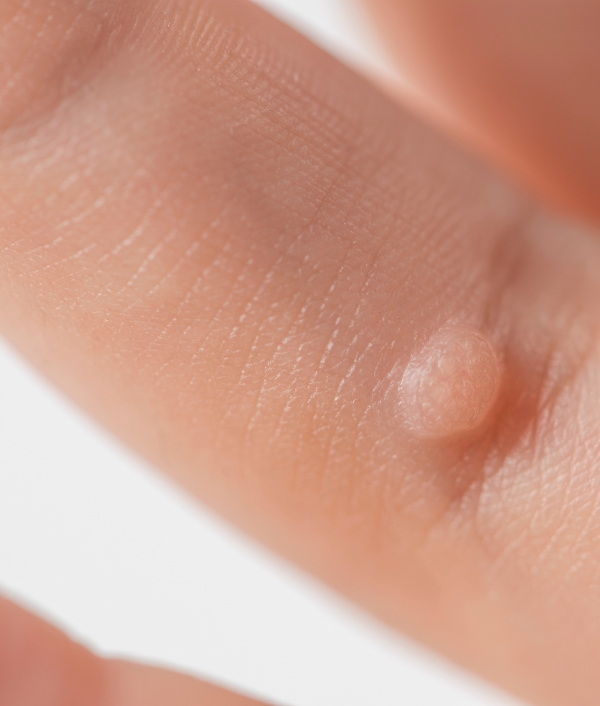
Health risks from HPV - from warts to cancer
Some variants of this virus family are known as high-risk types because they can cause long-term cell changes. These in turn can lead to cancer - the most well-known connection is with cervical cancer. However, tumours of the anus, penis, vagina, labia and throat are also caused by these pathogens. Other types cause benign but extremely unpleasant genital warts. Many of these diseases only appear years after infection, which is why the risk is often underestimated. Because the infection usually goes unnoticed, it is particularly insidious. You can pass it on without showing any symptoms yourself - and this is precisely why protection through prevention is so crucial.
Protection against HPV - vaccination and prevention
Vaccination is the best way to effectively protect yourself from the dangerous consequences of an infection. It offers effective protection against the most common cancer-causing virus types and the triggers of genital warts. It is particularly effective if it is given before the first sexual contact. This is why the Standing Committee on Vaccination (STIKO) recommends immunisation for girls and boys between the ages of 9 and 14. A catch-up immunisation is planned up to the age of 18, but can also be useful beyond this age. If you are under 30 and have not yet been immunised, you should seek advice from your doctor. In addition, it remains important to attend regular preventive check-ups - for women, for example, the Pap test for the early detection of cell changes on the cervix. Together, these measures can help to significantly reduce the risk.
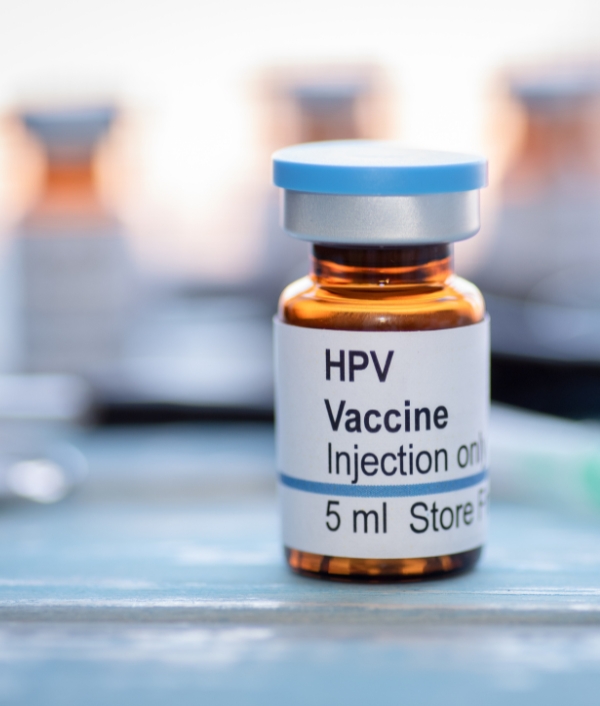
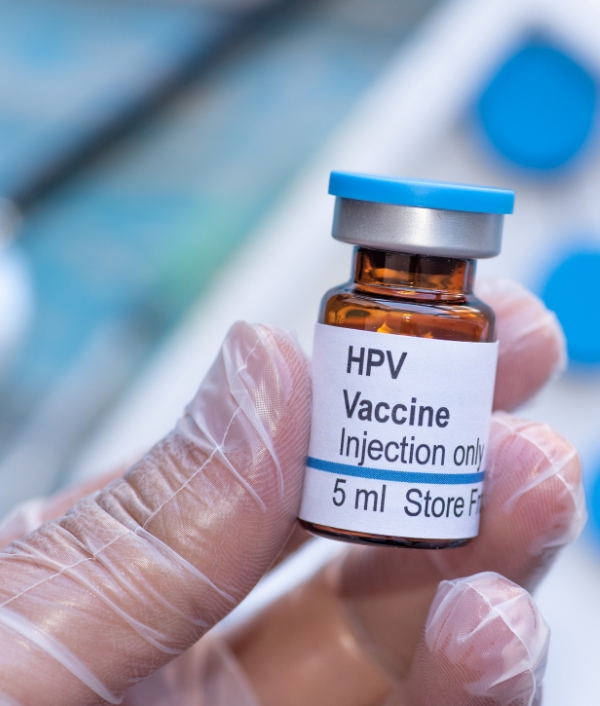
Importance of the HPV vaccination for young people
The HPV vaccination is one of the few ways to significantly reduce the risk of several types of cancer through a simple measure. Studies from countries with high vaccination rates - such as Australia - show that the number of infections and therefore the number of HPV-related cancers has fallen significantly. The vaccination is considered safe, well tolerated and is generally covered by health insurance - in full up to the 18th birthday, with many insurance companies also paying beyond this age. It is important that not only girls but also boys are vaccinated, as they can also transmit the virus and contract the disease themselves. In many cases, those under 30 can still benefit from a booster vaccination. If you act early, you protect yourself and others - an important step towards cancer prevention.
Questions & answers about HPV
Where can I get the HPV vaccination?
You can register for a vaccination here: https://impfservice.wien/hpv-humane-papilloma-viren/
How is the virus transmitted?
Mainly through sexual contact - including skin contact in the intimate area. It can also be transmitted when kissing.
Are there any symptoms that indicate an infection?
Usually not. The infection often goes unnoticed and heals itself - which is what makes it so dangerous.
Am I immune after an infection?
No. You can be infected several times with different types - protection only exists against variants that have already been contracted.
Is the vaccination still worthwhile at 25 or 29?
Yes, even if you are already sexually active, the vaccination protects you against types you have not yet been in contact with.
How much does the HPV vaccination cost?
All health insurance companies cover the costs up to the age of 18. Many insurers will also pay up to the age of 26 or beyond.
Are there any side effects of the HPV vaccination?
Usually only mild - for example, redness at the injection site or tiredness. Severe side effects are extremely rare.
Does the HPV vaccination need to be boostered?
Long-term protection is currently assumed. Refreshes are not yet planned.
Why is the vaccination also useful for boys?
Because they can fall ill themselves and pass on the virus. The more people are vaccinated, the better the community protection.
Do condoms offer sufficient protection?
Only to a limited extent. They reduce the risk, but cannot cover all skin areas through which the virus is transmitted.
Why is there so little talk about HPV?
Because sexually transmitted infections are still taboo. Yet this topic affects almost everyone - regardless of gender or lifestyle.