
Medication and Heat: What to Watch Out For in Summer
Why high temperatures can alter the effect of medicines
When temperatures rise, our bodies work overtime to maintain a constant body temperature. Blood vessels dilate, the skin is more profusely supplied with blood, and we start to sweat to release heat. At the same time, we lose fluids and important electrolytes. These natural adaptation mechanisms can influence the effect of medications and increase the risk of side effects. Elderly people, individuals with cardiovascular diseases or chronic illnesses, and those taking multiple medications, in particular, should be vigilant during heatwaves. The same medication dosage can therefore sometimes have a different effect in summer than on cooler days.

Blood pressure and diuretic medications in focus
Medicines that influence blood pressure or fluid balance deserve special attention. Diuretics promote the excretion of water and can lead to dehydration and electrolyte imbalances, particularly when combined with heavy sweating.
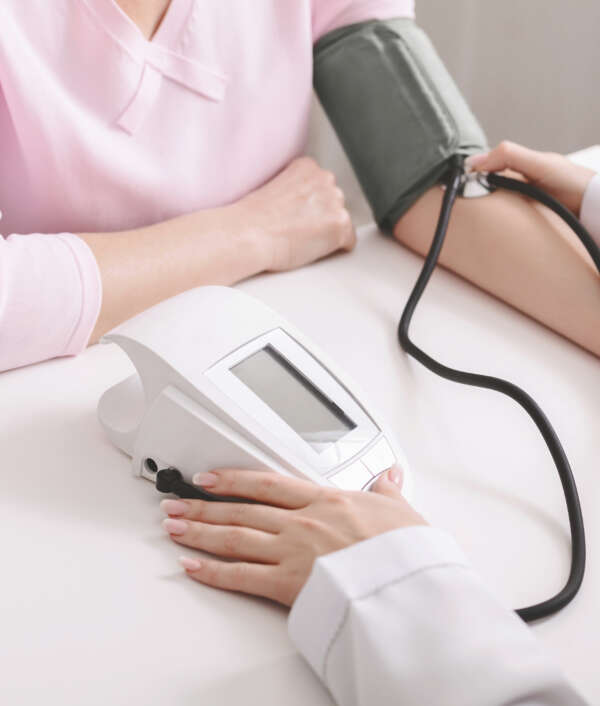
Blood pressure medication requires special attention in hot weather.
Blood pressure medications (ACE inhibitors, sartans, beta-blockers, calcium channel blockers or nitrates) can also contribute to dizziness, circulatory problems or drops in blood pressure in hot weather. The blood pressure-lowering effects are often amplified by the natural widening of blood vessels at high temperatures. Warning signs such as weakness, blacking out, falls or fainting spells should be taken seriously. However, medications should never be stopped or altered on your own.
When medicines affect thermoregulation
Certain drug groups can also impair the body's own thermoregulation. These primarily include active substances with so-called anticholinergic properties. They can reduce sweat production and thus limit the body's most important cooling function. Particularly relevant here are tricyclic antidepressants such as amitriptyline, as well as older antihistamines such as diphenhydramine, for example. The consequences can range from overheating and circulatory problems to confusion. Modern antihistamines such as cetirizine, loratadine or desloratadine are considered to be significantly safer in this regard. Nevertheless, individuals affected should pay particular attention to adequate fluid intake during prolonged heat.


Increased risk of side effects with dehydration
In addition to thermoregulation, heat can also affect the tolerability of certain medications. Fluid loss can lead to higher concentrations of active ingredients in the body. This is particularly well known with lithium, whose blood levels can rise significantly with dehydration. Digoxin, or some medications for diabetes and cardiac arrhythmias, also require increased attention in hot weather. It is therefore important to watch out for warning signs such as unusual fatigue, confusion, muscle cramps, nausea, or significantly reduced urine output. Your pharmacy is happy to help you identify potential risks with your medication during heatwaves and take the right precautions for a safe summer.