Nail fungus: causes, symptoms and treatment at a glance
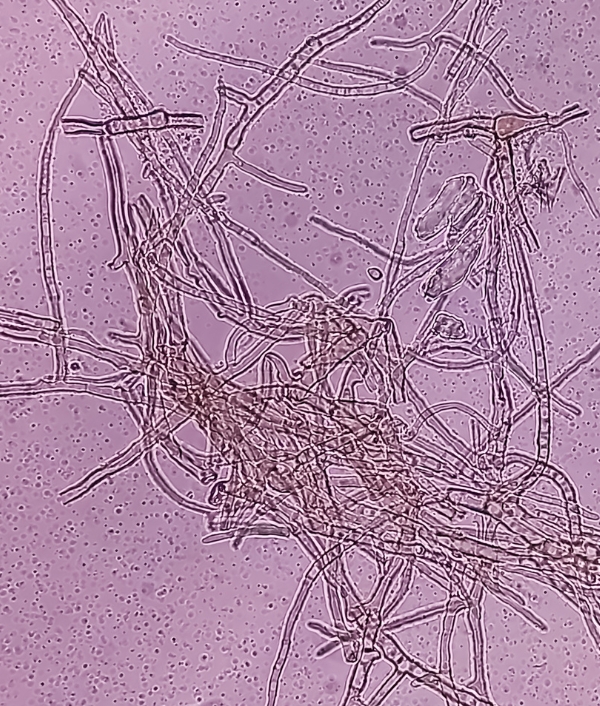
Nail fungus is a widespread infection that affects fingernails and toenails. The disease is usually caused by filamentous fungi, rarely by yeasts or moulds. Typical triggers are damp environments, minor injuries and a weakened immune system. People who regularly visit swimming pools or saunas are particularly at risk. If recognised early, nail fungus can usually be treated well - the later the diagnosis, the more stubborn the treatment.
Symptoms of nail fungus: Recognise early
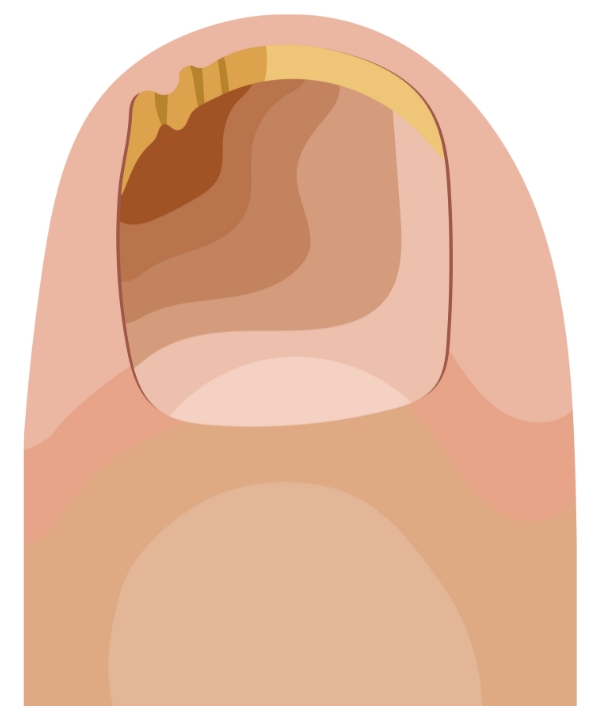
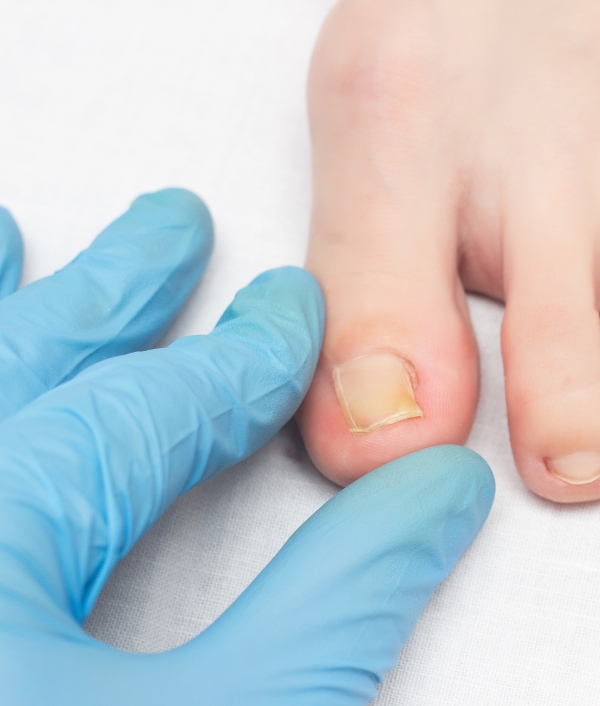
The first signs of nail fungus are often inconspicuous: yellowish discolouration at the edges of the nail, a brittle structure or thickening. As it progresses, the nail may crumble or detach from the bed. Some sufferers complain of an unpleasant odour or a feeling of tension in the affected area. Pain usually only occurs later. If you act early, you save yourself a long treatment and protect other nails from infection.
Signs of an incipient nail fungus
A matt surface and small white spots are typical early warning signs.
Options for the treatment of nail fungus
The forms of treatment vary depending on the extent of the infection. In mild cases, fungicidal nail varnishes or creams, which must be applied several times a week, can help. More severe cases require a combination of external treatment and tablets. Important: Treatment should be consistent and take months, as nails grow slowly. In addition, hygiene measures such as changing socks daily and disinfecting shoes help to prevent re-infection.
Preventing nail fungus: how to keep your nails healthy
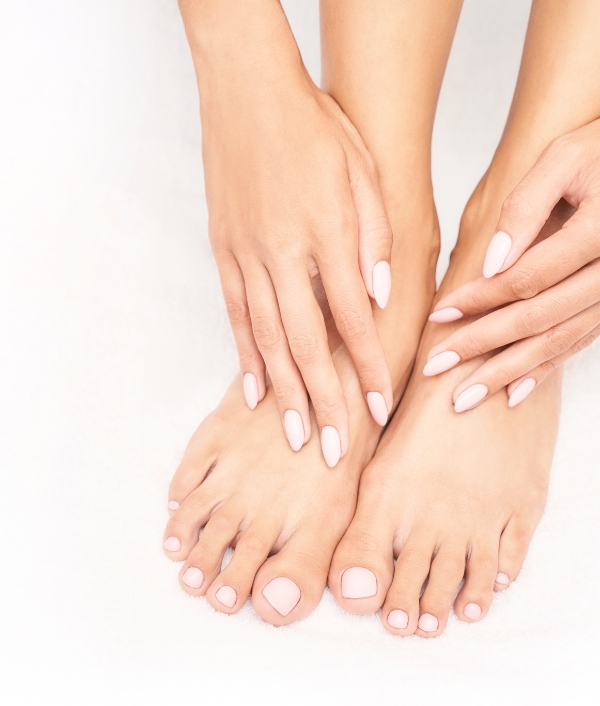
Prevention is the best weapon against a nail infection. Make sure you practise consistent foot care, dry your feet thoroughly and always wear bathing shoes in public facilities. Breathable shoes and socks made of natural fibres prevent moisture from building up. Trimming your nails regularly and avoiding minor injuries also reduces the risk. People with chronic illnesses in particular should have their feet checked regularly by a doctor.
In addition, the intake of „Skin, hair, nails“ - a specially developed food supplement from our own brand - have a supportive effect. It promotes the health of nails and skin and helps to strengthen the immune system, which is helpful in the defence against infections. In this way, you not only support prevention, but also the healing of your nails.
7 tips against nail fungus
- Dry feet thoroughly every day: Especially between the toes - moisture favours fungal infections.
- Wear breathable shoes: Shoes made of leather or functional material prevent heat build-up and perspiration.
- Change socks regularly: It is best to use cotton socks and wear fresh ones every day.
- Use bathing shoes: Always wear bathing shoes in swimming pools, saunas and hotels to avoid infection.
- Proper nail care: Shorten nails straight and watch out for injuries so that fungi have no surface to attack.
- Disinfect shoes: Regular spraying with special agents kills fungal spores.
- Strengthen the immune system: A healthy diet and exercise help the body to fight off infections better.
Questions & answers about nail fungus
How do I recognise nail fungus at an early stage?
How long does the treatment of a nail infection take?
Can nail fungus heal itself?
What helps best against nail fungus?
How can I prevent nail fungus?