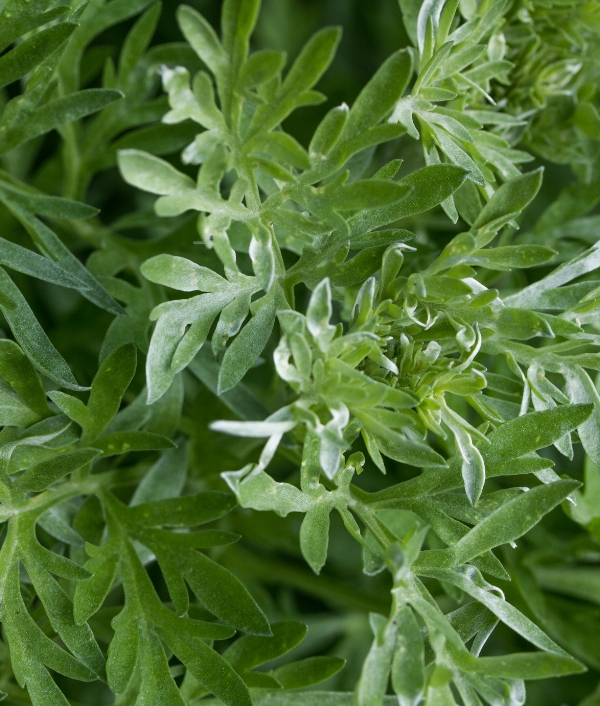
Discover our medicinal herb garden
Welcome to our medicinal herb garden in front of the Johann Strauss pharmacy! Here you will find a wide variety of medicinal herbs and learn how medicinal plants can act as natural remedies. Immerse yourself in the fascinating world of medicinal herbs and learn about their use for health and well-being.

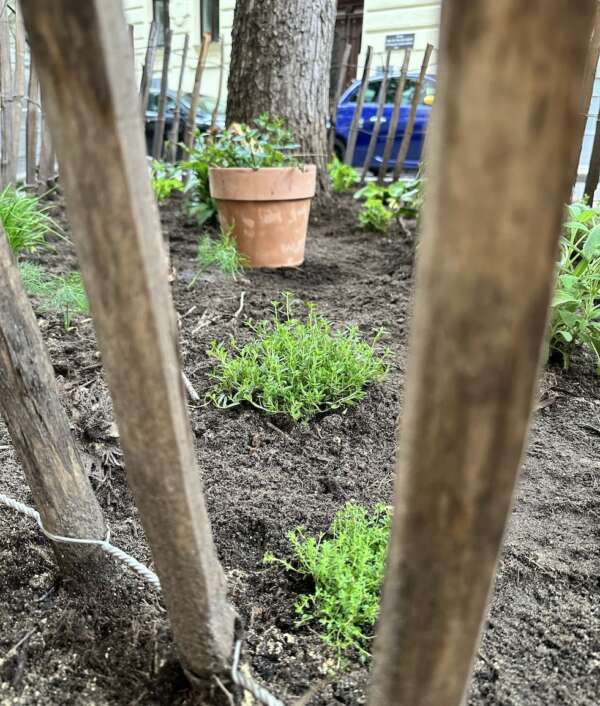
Medicinal herbs from our medicinal herb garden
Our medicinal herb garden in front of the Johann Strauss Pharmacy is a special place for anyone interested in natural healing. Between spring and autumn, our medicinal herbs shine in all their glory and show how valuable natural medicinal plants are for body and soul. During the winter months the plants are dormant, but in spring our medicinal herb garden invites you to discover the effects and uses of medicinal herbs at first hand.
Do you have any questions about medicinal herbs? Then visit us in the pharmacy or write to us. We will be happy to advise you individually on natural medicinal plants and their possible uses.
How do you create a medicinal herb garden?
Having your own medicinal herb garden is a valuable step towards greater closeness to nature and health. You can successfully plant and care for medicinal herbs with just a few simple steps:
- Select areaFind a free tree slice or a suitable bed for your medicinal herbs. You can apply for a sponsorship via „Garteln ums Eck“.
- Plant selectionChoose medicinal plants that are suitable for your location, grow robustly and require little care.
- Prepare the floorSand, potting soil and soil activators improve permeability and fertility.
- Plant correctly: Pay attention to light conditions, water requirements and space for root growth.
- PlantingWater the root ball, loosen it and place the medicinal herbs in well-prepared soil.
- CareWater regularly after watering. Earthworms in the soil also promote the vitality of your medicinal plants.
A medicinal herb garden not only offers beauty and variety, but also practical knowledge about medicinal herbs, their effects and their use in everyday life.
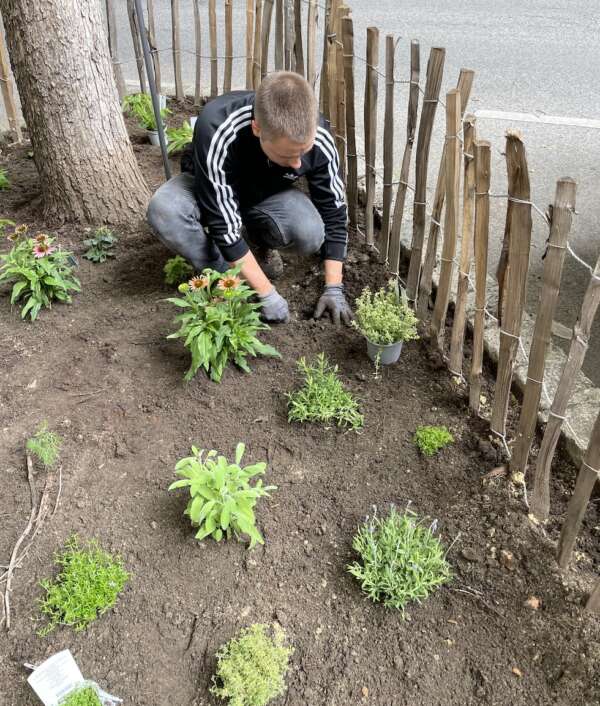
Lady's mantle
Alchemilla vulgaris
Alchemilla vulgaris, also known as lady's mantle, has many uses in traditional herbal medicine. It is used particularly frequently for women's complaints such as menstrual cramps, PMS and menopausal symptoms, as it can have an antispasmodic and hormone-regulating effect. It also promotes wound healing due to its anti-inflammatory and astringent properties. Lady's mantle is also used for diarrhoea, gastrointestinal complaints and as a general tonic. Its antimicrobial properties also support the treatment of skin diseases and inflammation of the mucous membranes.
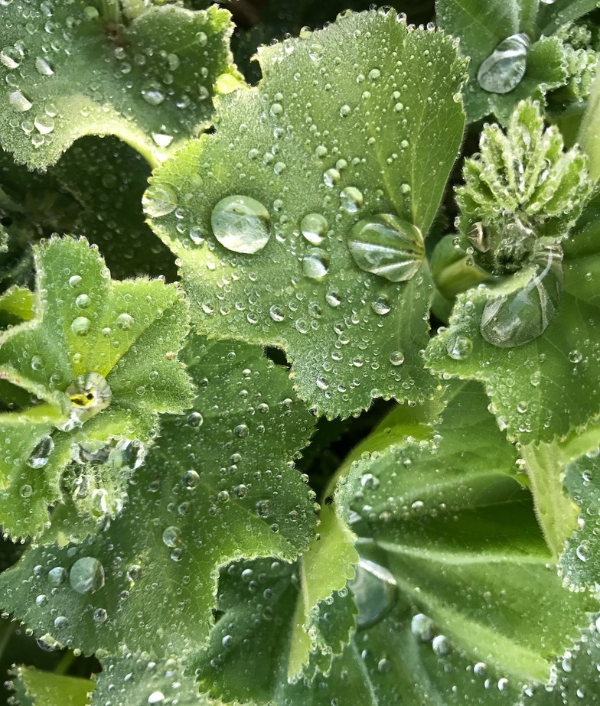
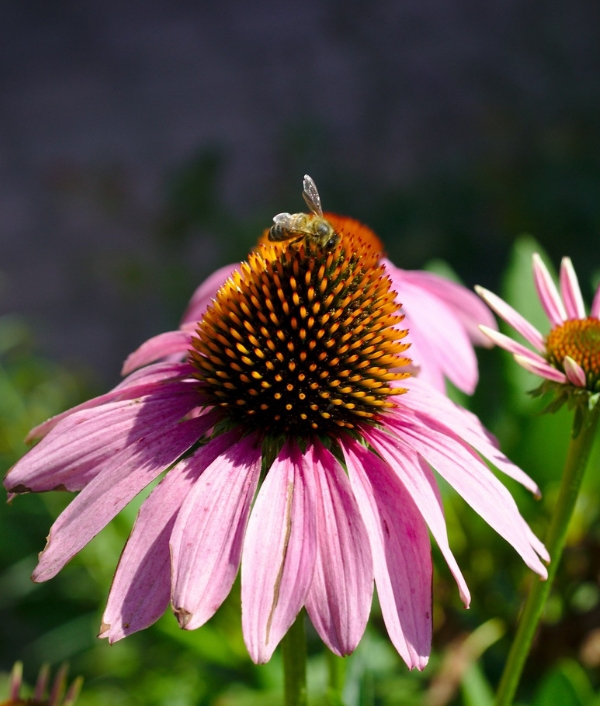
Purple coneflower
Echinacea purpurea
Echinacea purpurea, known as purple coneflower, is mainly used to support the immune system. It helps to prevent and shorten the duration of colds and upper respiratory tract infections. Thanks to its anti-inflammatory and antiviral properties, it is also used in the treatment of wounds and skin diseases. Echinacea purpurea can also promote the healing of infections such as urinary tract infections and middle ear infections. The plant is often taken in the form of teas, tinctures or tablets and is particularly popular in naturopathy.
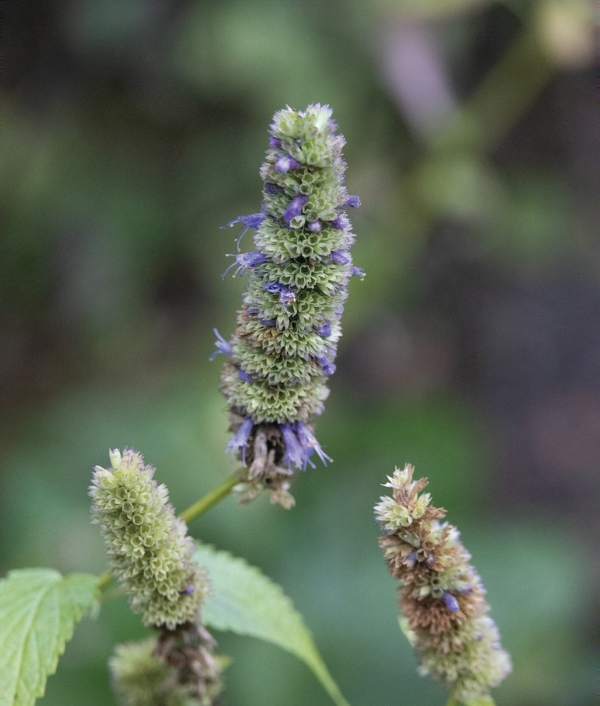
Hyssop
Hyssopus officinalis
Hyssopus officinalis, known as hyssop, is used in traditional herbal medicine to treat respiratory diseases such as coughs, bronchitis and asthma. The plant has expectorant, anti-inflammatory and antimicrobial properties that help to relieve cold symptoms. Hyssop is also used for digestive complaints such as flatulence and stomach cramps. It is also used in wound healing and skin care as it has an antiseptic effect. In aromatherapy, hyssop oil is used to promote mental clarity and relaxation.
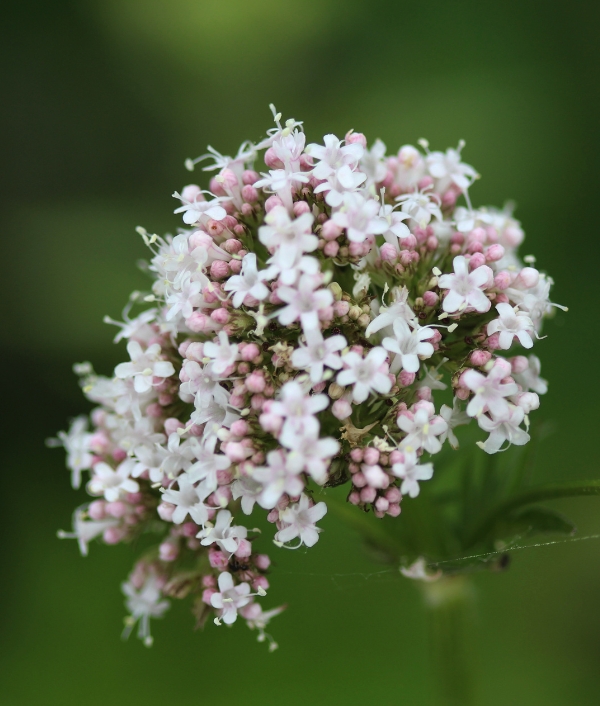
Valerian
Valeriana officinalis
Valeriana officinalis, known as valerian, is mainly used to promote sleep and calm the nervous system. Valerian root is often used for sleep disorders, nervousness, anxiety and stress-related complaints. The plant has a relaxing effect and can alleviate muscle tension and cramp-like complaints. It is often taken in the form of teas, tinctures, tablets or capsules. Valerian is particularly popular as a natural sedative that does not have the side effects of many synthetic sleeping pills.
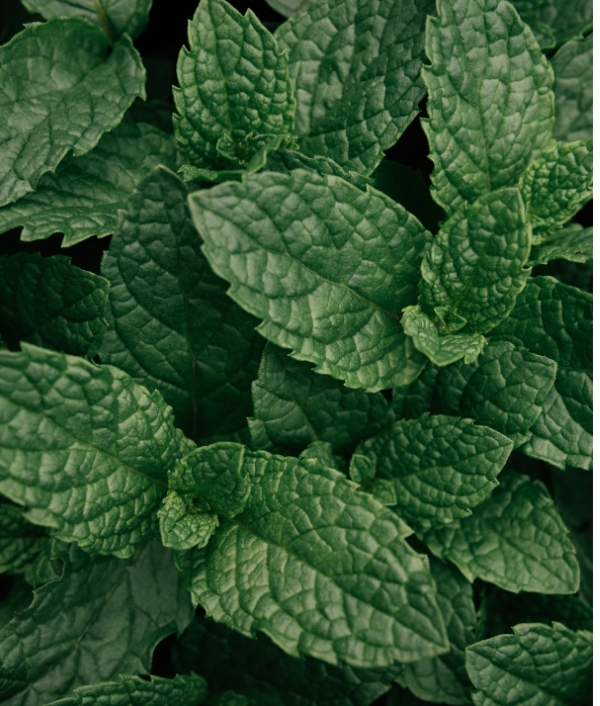
Peppermint
Menta piperita
Mentha piperita, known as peppermint, is used in many different ways in medicine and naturopathy. It is known for its ability to relieve digestive complaints such as flatulence, cramps and nausea. Peppermint oil is often used for tension headaches and migraines as it has a cooling and pain-relieving effect. Peppermint also has anti-inflammatory and antimicrobial properties that are helpful in the treatment of colds, coughs and sore throats. The plant is also used in aromatherapy to improve concentration and promote relaxation. Peppermint is often used in the form of teas, oils, capsules and ointments.
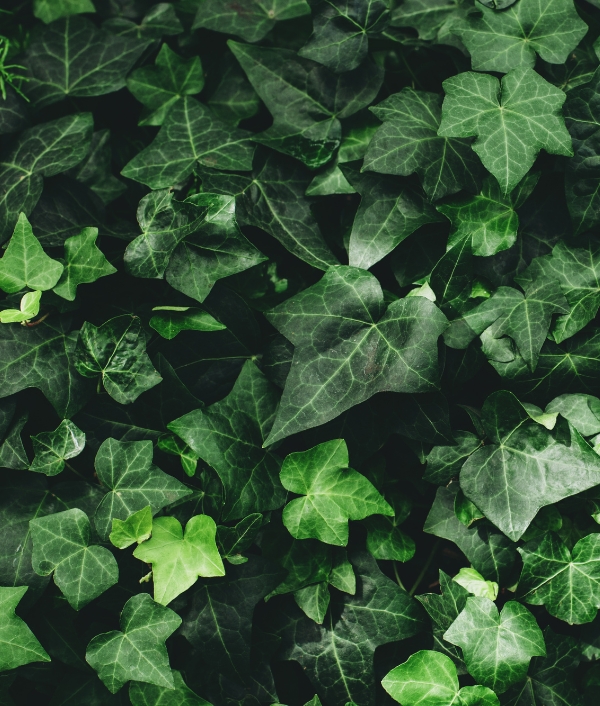
Ivy
Hedera helix
Hedera helix, known as ivy, is used in medicine primarily for the treatment of respiratory diseases. Ivy extracts have expectorant and cough-relieving properties that help with bronchitis, coughs and asthma. They make it easier to cough up phlegm and soothe irritating coughs. The plant contains saponins that relax the bronchial muscles and inhibit inflammation. Ivy is often offered in the form of cough syrups, drops and tablets. Ivy also has antimicrobial and antioxidant properties that can help to strengthen the immune system in general.
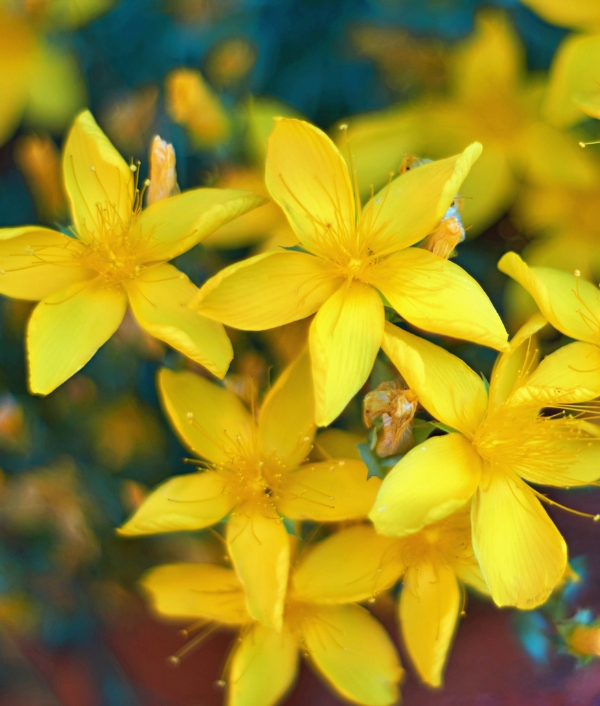
St John's Wort
Hypericum perforatum
Hypericum perforatum, known as St John's wort, is mainly used to treat mild to moderate depression. It contains active ingredients such as hypericin and hyperforin, which increase the availability of neurotransmitters in the brain, which helps to improve mood. St John's wort is also used to treat anxiety, sleep disorders and nervous agitation. However, it can interact with other medications, so caution is advised. The plant is often taken in the form of tea, tincture or capsules.
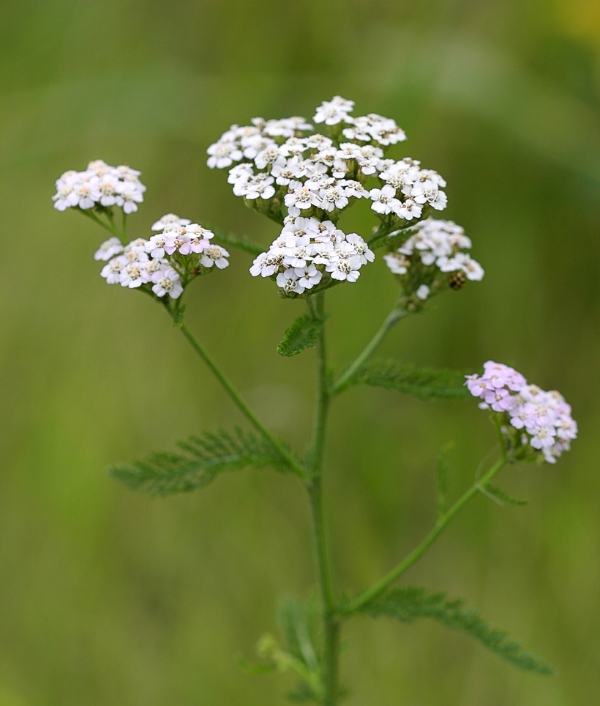
Yarrow
Achillea millefolium
Achillea millefolium, known as yarrow, is used in naturopathy for various purposes. It has anti-inflammatory, antispasmodic and haemostatic properties. Yarrow is often used for menstrual cramps to relieve cramps and regulate menstrual flow. It can also help with digestive problems such as flatulence and stomach cramps. The plant is also used externally to promote wound healing and soothe skin irritations. Yarrow is often used as a tea, tincture or essential oil.
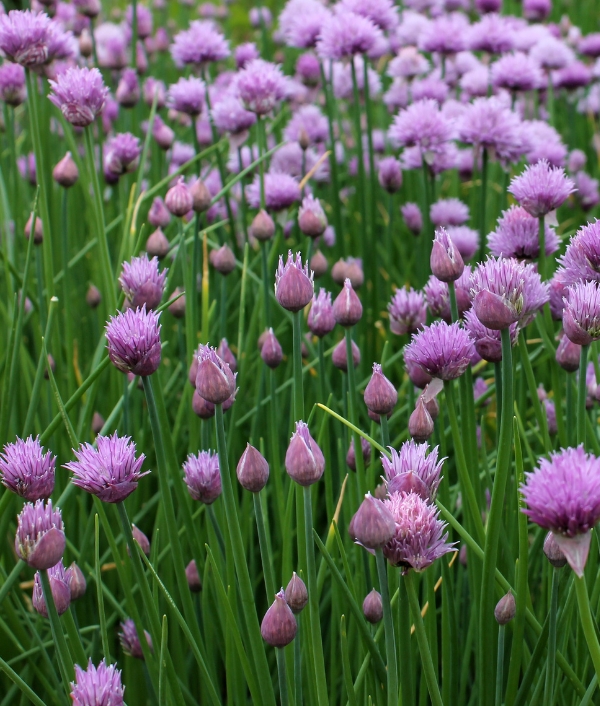
Chives
Allium schoenoprasum
Allium schoenoprasum, known as chives, is used both in the kitchen and in traditional medicine. In the kitchen, chives are used as an aromatic ingredient in salads, soups, sauces and other dishes to add a mild onion flavour. In medicine, chives are valued for their antimicrobial and anti-inflammatory properties. It is used to aid digestion, lower cholesterol levels and strengthen the immune system. The sulphur compounds it contains can also promote healthy skin and hair.
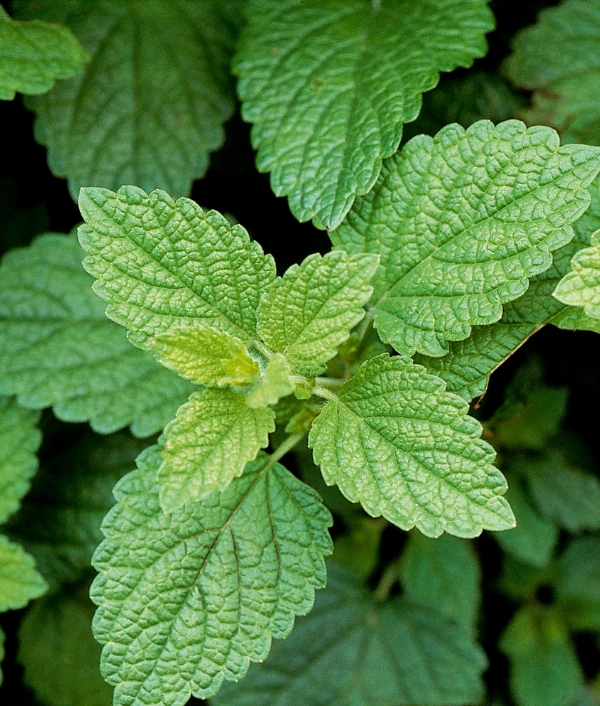
Lemon balm
Melissa officinalis
Melissa officinalis, also known as lemon balm, is valued for its calming properties in naturopathy. It is often used to relieve stress, anxiety and sleep disorders. Lemon balm has a relaxing effect on the nervous system and can improve mood. It is also used for digestive problems such as flatulence and stomach cramps. In addition, it has antiviral properties and can speed up the healing of herpes viruses. Lemon balm is usually consumed as a tea, tincture or essential oil.
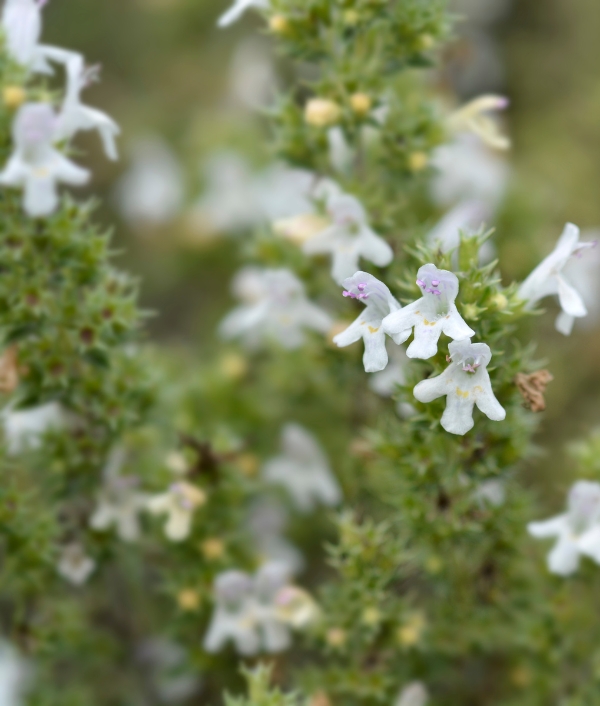
Mountain savoury
Satureja montana
Satureja montana, known as mountain savory, is used in the kitchen as an aromatic spice plant that lends an intense flavour to various dishes. It is particularly appreciated in Mediterranean and Alpine cuisines and goes well with meat, fish, stews, soups and sauces. Apart from its culinary use, mountain savoury is also valued in traditional medicine. It has digestive properties and can alleviate flatulence and stomach complaints. It is also said to have an antibacterial effect that can help fight infections. The plant is commonly used fresh or dried as a spice, and its essential oils can be found in many herbal teas and natural remedies.
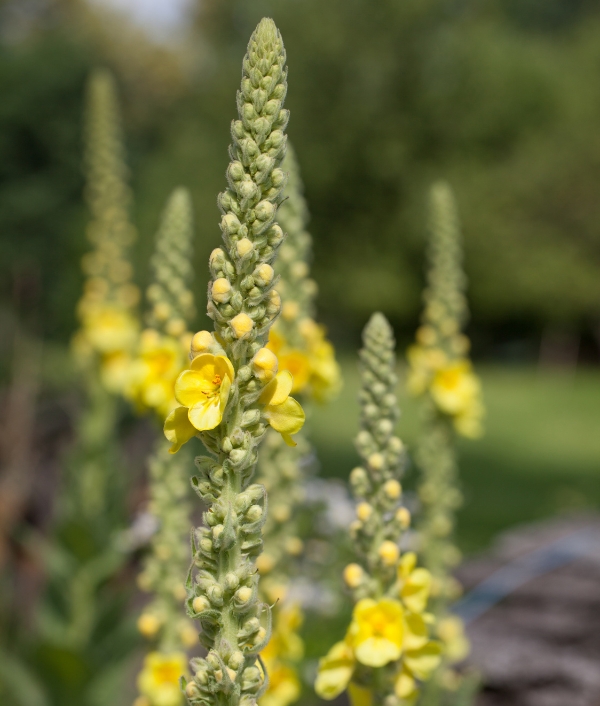
Mullein
Verbascum album
Verbascum album is used in traditional medicine for various ailments. Its main uses are to relieve respiratory conditions such as coughs, bronchitis and asthma. The plant has expectorant and anti-inflammatory properties that can help to loosen phlegm and soothe the airways. Verbascum album is also often used to treat earache and inflammation. The leaves and flowers are processed into teas and extracts that can be taken orally or applied externally.
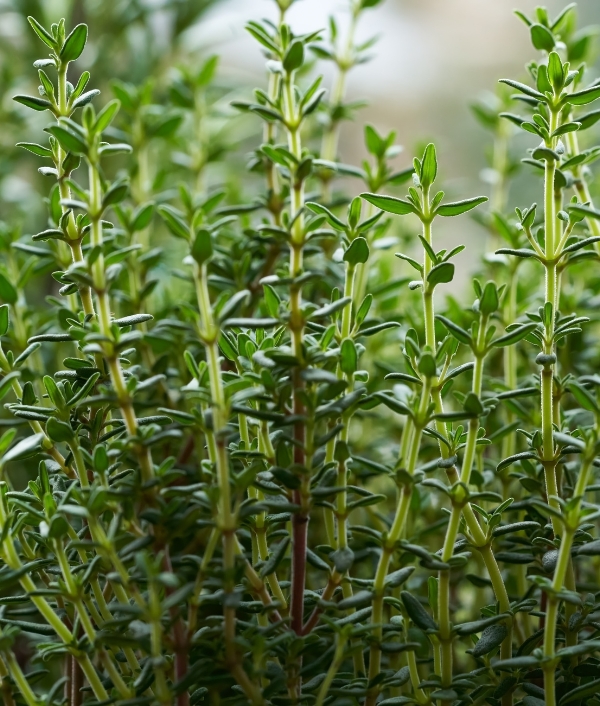
Thyme
Thymus officinalis
Thymus officinalis, known as thyme, is valued for its many health benefits. It is known for its antibacterial, antiviral and anti-inflammatory properties, making it a popular remedy for respiratory infections such as coughs, colds and bronchitis. Thyme is also used to relieve digestive complaints such as flatulence and stomach cramps. As a powerful antioxidant, it can boost immunity and promote healthy skin and hair. Thyme is often used as a tea, essential oil or in the form of ointments and tinctures.
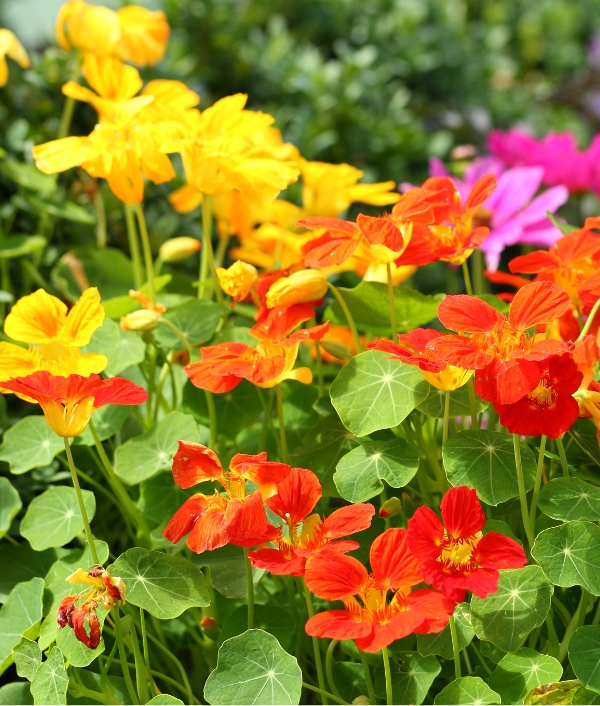
Nasturtium
Tropaeolum majus
Tropaeolum majus, known as nasturtium, has a variety of uses in naturopathy. The plant is rich in vitamin C and has an anti-inflammatory and antimicrobial effect. Nasturtium is often used to support the immune system, particularly in the case of colds and flu. It can also help with urinary tract infections and promote wound healing. It is also used to cleanse the body due to its detoxifying properties. Nasturtium flowers and leaves are consumed in the form of tea, tincture or as a dietary supplement.
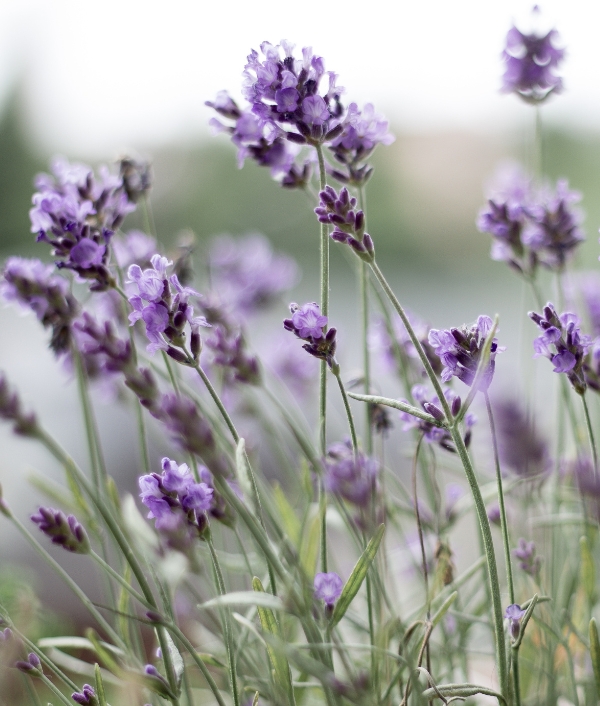
Lavender
Lavandula officinalis
Lavandula officinalis, also known as true lavender, is valued for its many therapeutic properties. Its calming scent and relaxing effects make it a popular remedy for stress, anxiety and insomnia. Lavender oil is also used to relieve headaches, skin irritations and to promote wound healing. Its antimicrobial properties make it a natural remedy for acne and skin infections. Lavender is often used as an essential oil, in herbal teas, bath additives and cosmetics.
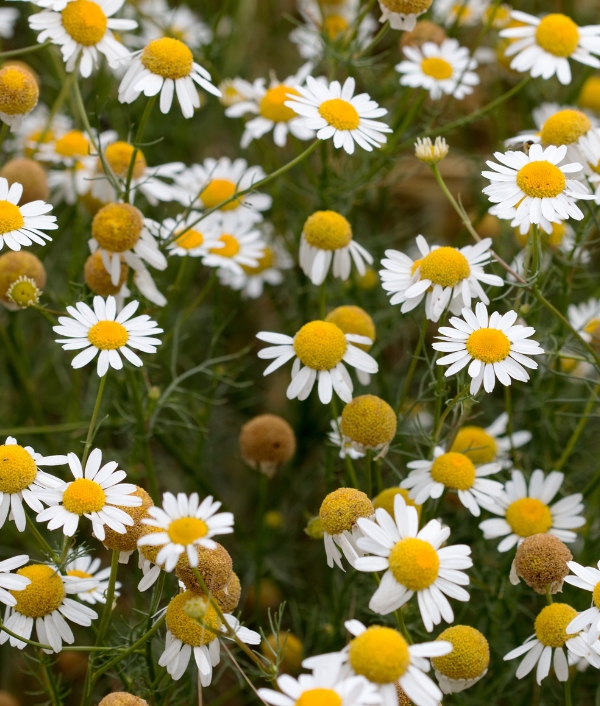
True camomile
Matricaria chamomilla L.
Matricaria chamomilla L., better known as camomile, has a long history as a medicinal plant. It is often used to treat gastrointestinal complaints such as indigestion, cramps and flatulence. Chamomile tea has a calming effect on the stomach and can also help with nausea and irritable bowel syndrome. The plant also has anti-inflammatory and soothing properties that are useful for skin irritations, eczema and wounds. Chamomile is often used externally, either as a tea for rinsing or as an inhalation, or as an additive in skin care products such as ointments and creams.
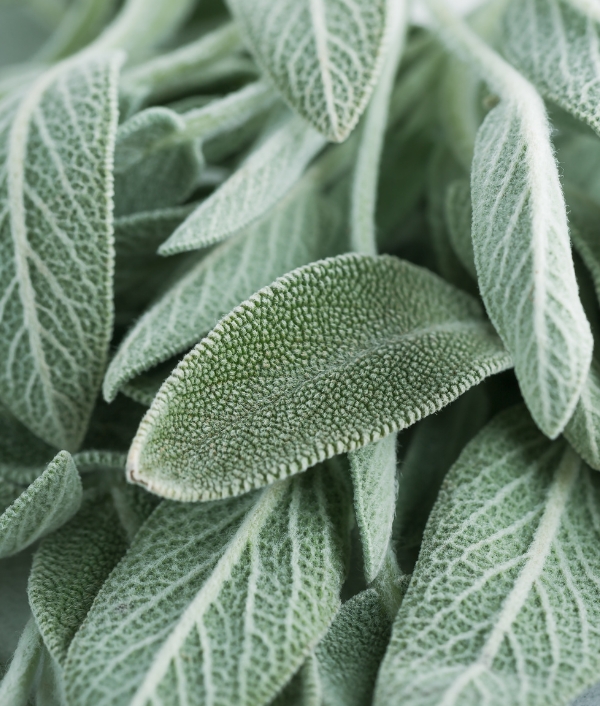
Sage
Salvia officinalis
Salvia officinalis, known as true sage, is valued in naturopathy for its many health benefits. Its antimicrobial properties make it a popular remedy for sore throats and inflammation of the mouth. Sage is also used for digestive complaints such as flatulence and cramps. As a mild sedative, it can also help with stress and anxiety. Sage also aids digestion and can help to alleviate menstrual cramps. The plant is usually used as a tea, tincture or in the form of essential oil.
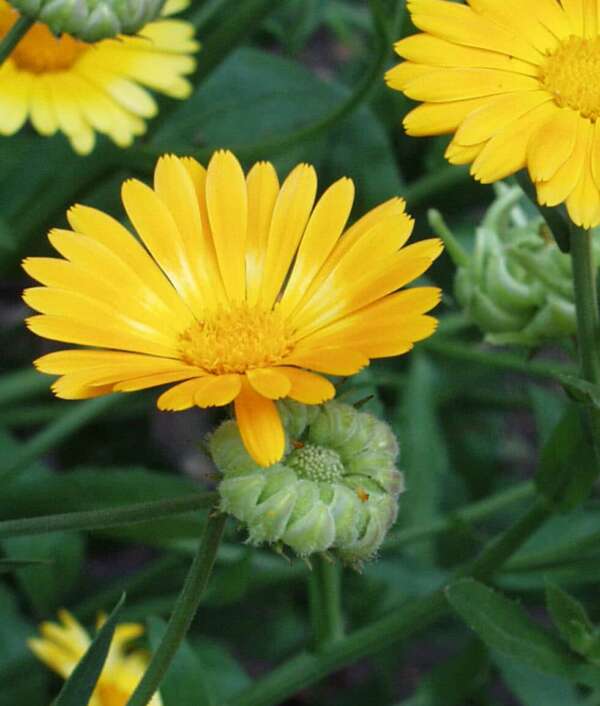
Marigold
Calendula officinalis
Marigold is used in many different ways. It is known for its anti-inflammatory, antibacterial and wound-healing properties. Marigold extracts are often used in ointments and creams to treat skin irritations, wounds, burns and eczema. In folk medicine, it is used for gastrointestinal complaints and menstrual problems. Its flowers are also used as a colouring agent and in the kitchen as an edible decoration. It is also popular in the cosmetics industry due to its skin-caring properties.
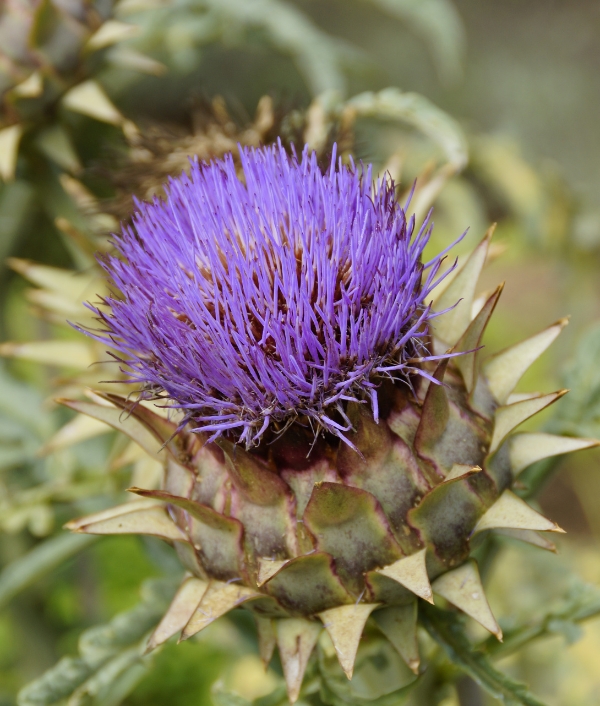
Artichoke
Cynara scolymus
Cynara scolymus, better known as artichoke, is a valued medicinal plant with a variety of health benefits, particularly in the area of digestion. Its leaves, which are rich in bitter substances, stimulate bile production and thus promote fat digestion. It is therefore often used to treat bloating, flatulence and mild digestive disorders. The artichoke also supports liver function and can be helpful in lowering high cholesterol levels. In naturopathy, it is mainly used in the form of teas, capsules or tinctures. The artichoke is also considered to have an antioxidant effect and can contribute to general strengthening.
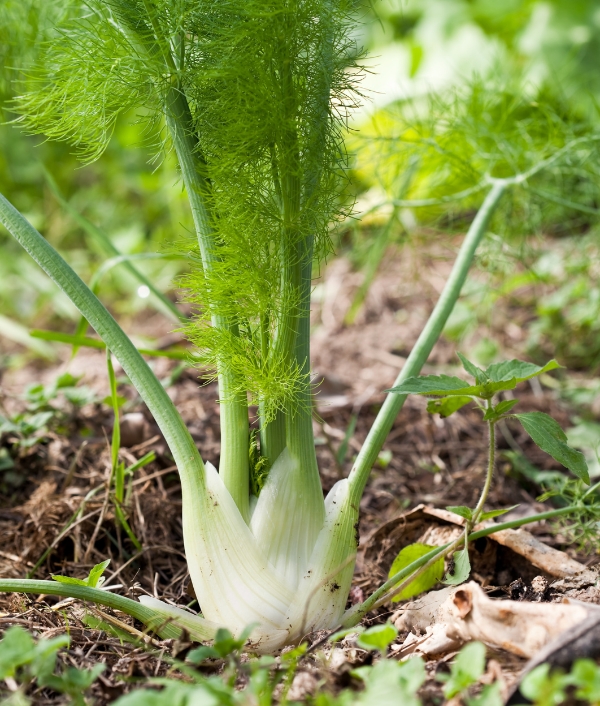
Fennel
Foeniculum vulgare
Foeniculum vulgare, known as fennel, is a proven medicinal plant that is particularly valued for its beneficial effect on the digestive system. The essential oils it contains have an antispasmodic effect and relieve flatulence, which is why fennel is often used to treat gastrointestinal complaints such as bloating, flatulence and mild cramps. Fennel is also used for colds as it has an expectorant effect and makes it easier to cough up. Fennel tea is particularly popular with children to relieve stomach ache. The plant also has a mild anti-inflammatory effect and can help with menstrual cramps. Fennel is traditionally used as a tea, in the form of drops or as an ingredient in herbal medicines.
Absinthe
Artemisia absinthium
Artemisia absinthium, known as absinthe or wormwood, is a traditional medicinal plant with a strong bitter flavour that is mainly used to stimulate digestion. The bitter substances promote the production of gastric juices and bile, which can help with loss of appetite, bloating and flatulence. In naturopathy, absinthe is also used to support liver function and for deworming. However, due to its essential oils, especially thujone, absinthe should only be taken in controlled quantities and not over long periods of time. The plant is traditionally used as a tea, tincture or in stomach-strengthening herbal mixtures.