
STD Tests in Vienna – reliable, discreet and fast
STI Screenings at Johann Strauss Pharmacy

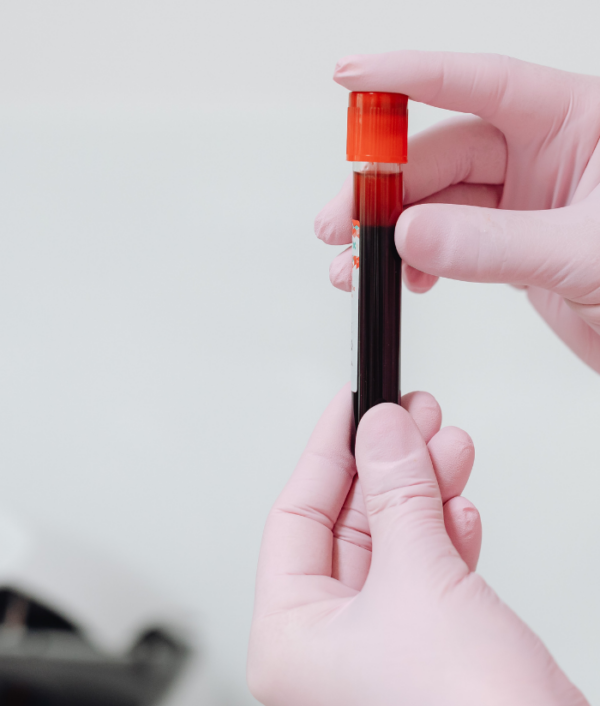
STIs, STDs and Sexuality
Sexuality is diverse, it can be expressed in very different ways.
Sadly, sexually transmitted diseases (STDs) and sexually transmitted infections (STIs) affect millions of people worldwide, representing a significant health issue.
The difference between STI and STD: An STI describes the infection itself – often still without symptoms. Only when symptoms appear is it referred to as an STD (disease).
Many infections and transmissible diseases initially have no clear symptoms, but can have serious health consequences if left untreated.
Early detection of infections
An STD test is the most important step to detect sexually transmitted infections early and protect your own health as well as that of your partners.
Many people hesitate to get tested at first – often due to uncertainty or shame. But don't worry: an STD screening is straightforward, quick to complete, and above all, it gives you one thing: peace of mind.
At the Johann Strauss Pharmacy in Vienna, you can find modern testing options, personal advice, and discreet support regarding sexual health.
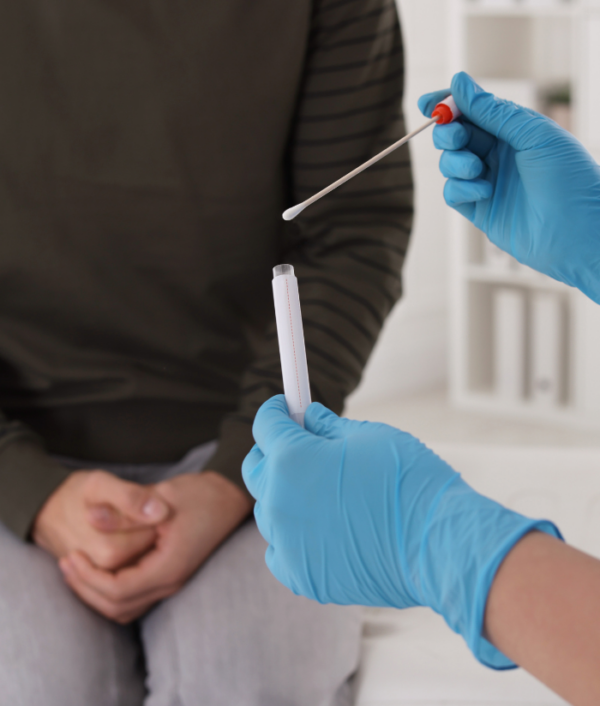
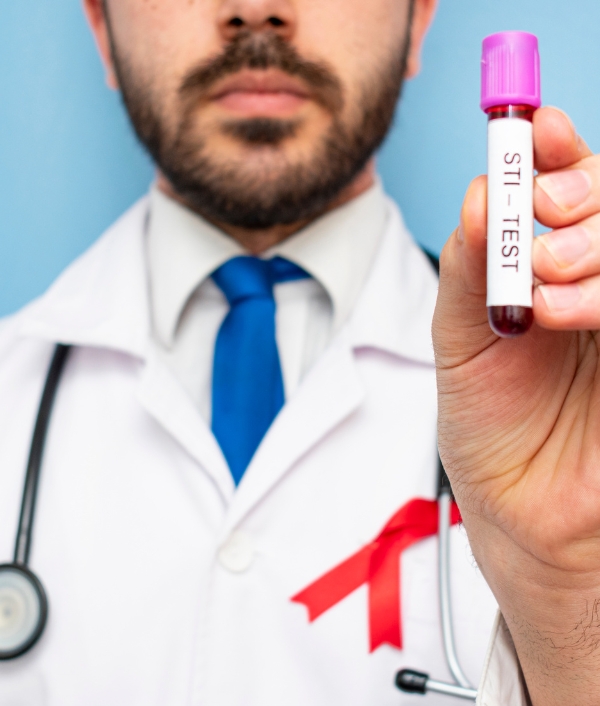
Rapid tests at the Johann Strauss Pharmacy
In our pharmacy in Vienna, you can undergo various discreet STD rapid tests. These include, among others:
- HIV Test – Costs: €35
- Gonorrhoea Test – Cost: €19
- Chlamydia test – Cost: €30
- Syphilis Test – Cost: €29
- Hepatitis C Test – Cost: €23
Additionally, a combined HIV/Syphilis test (€49) and a comprehensive all-inclusive screening (€121) are available.
These tests help to detect communicable diseases early and initiate appropriate treatment.
STI tests can also be carried out by specialist doctors or in health clinics.
This is how your STI appointment will run
Many people wonder beforehand how an STD test procedure works – with us, the process is simple and discreet:
- Book an appointment online or drop in spontaneously (subject to availability)
- Confidential consultation
- Quick sample collection (blood, urine or swab)
- Results within minutes or a short time, depending on the test
- Referral to doctors for further treatment as needed
The test will take place in a safe environment – your privacy is our top priority and your sexuality will be respected.
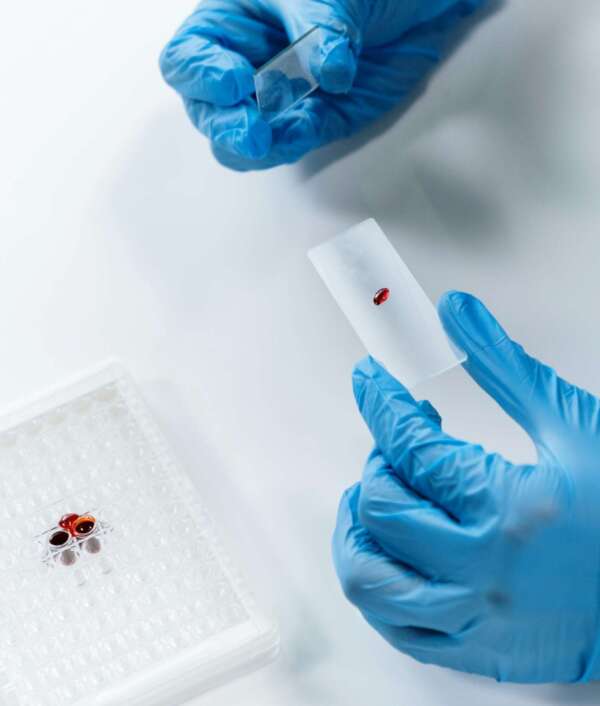
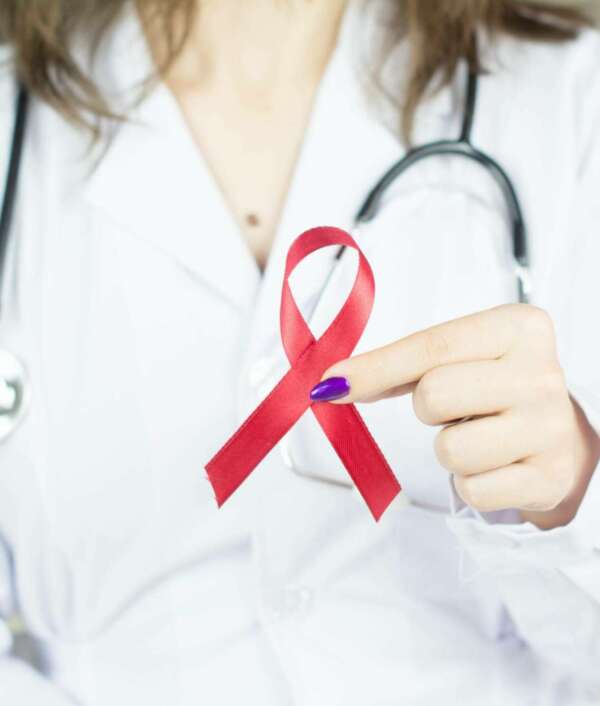
This is how we will guide you through the STI rapid test in Vienna
STD screenings are carried out very discreetly. We want you to have clarity about your health status quickly, so we support you through the following points:
- Fast appointment scheduling
- Short waiting times
- discreet execution
- Personalised advice
- Working with doctors on reactive results
Sample collection is easily done via a small blood drop (fingertip) or a self-swab.
Your data will, of course, be treated confidentially – discretion and respectful handling are a matter of course for us.
Why an STD test is so important
Early STD screening allows infections to be detected and treated effectively in a timely manner.
Rapid diagnosis is crucial, especially for common illnesses and sexually transmitted infections such as HIV, Chlamydia, Gonorrhoea, Syphilis, and Hepatitis C, in order to avoid complications.
Untreated infections can:
- to spread through the body
- Damage organs
- be passed on unnoticed
Regular tests are therefore particularly important for:
- unprotected sex
- Changing sexual partners
- initial symptoms or uncertainties


Which diseases can be tested for?
A modern STD screening can reliably detect various bacterial and viral diseases. These include, among others:
Bacterial infections:
- Gonorrhoea (The Clap)
- Chlamydia
- Syphilis
Viral infections:
- HIV
- HPV (Human Papillomavirus)
- Hepatitis A, B and C
- Genital herpes
This variety of tests allows for comprehensive screening – from individual rapid tests to combined investigations.
How does an STI test work?
Performing such a test is straightforward and varies depending on the infection:
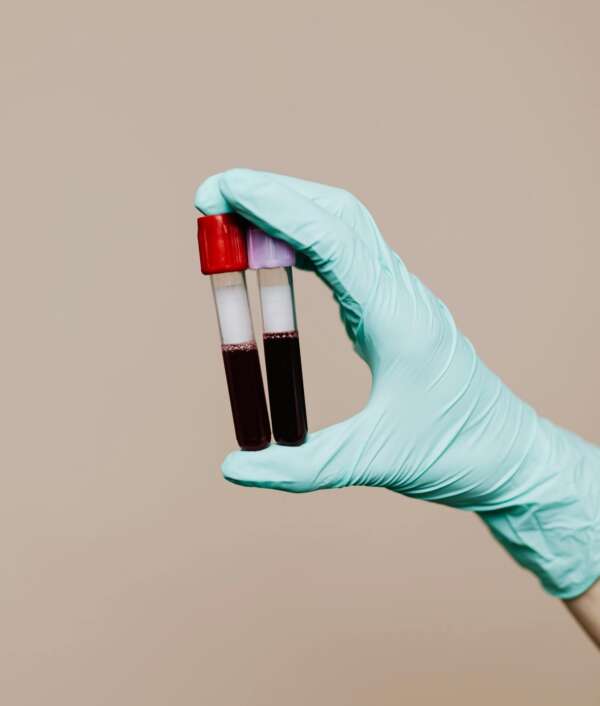
- Blood teste.g. for HIV, syphilis or hepatitis C
- Urine sample: common in chlamydia or gonorrhoea
- Swab: from affected areas of the body
The screenings are generally quick, painless and provide a result within a short period of time.
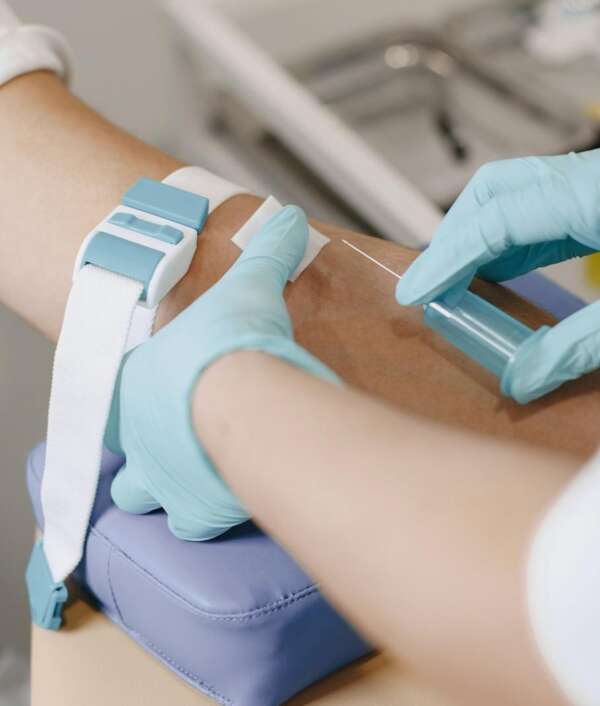

When should you get an STD test?
An STI screening is generally advisable for all sexually active individuals. However, it is particularly recommended for:
- People with frequently changing sexual partners
- Following unprotected sexual intercourse (risk contact)
- Men who have sex with men (MSM)
- People at increased risk of infection
- People who show symptoms
- People starting a new relationship
- People who simply want certainty
Symptoms that make a rapid test advisable
Even though some STDs are asymptomatic, there are typical signs that can indicate an infection:
- Pain or burning when urinating
- Unusual discharge
- Itching or skin changes in the genital area
- swollen lymph nodes
- Flu-like symptoms (possible with HIV)
For such complaints, an STD test should be performed quickly and medical advice should be sought.
Important: Many infections initially show no symptoms. Therefore, screening is advisable even without symptoms.

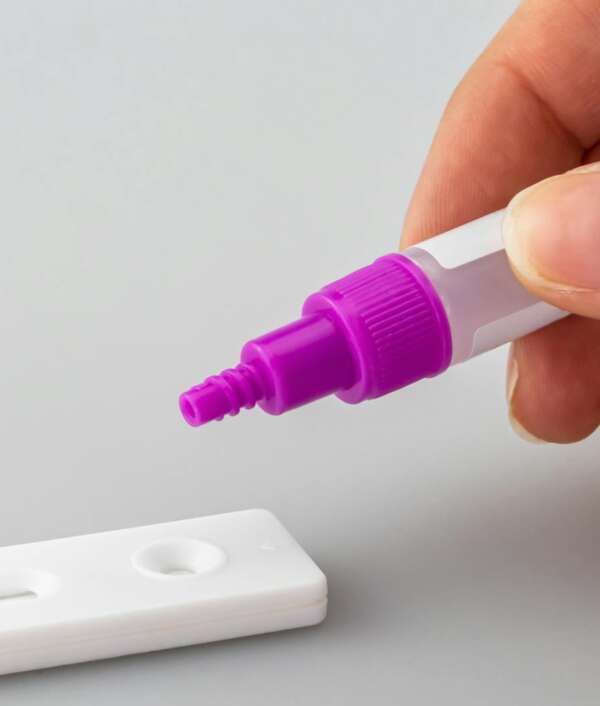
How informative are self-tests for use at home?
In addition to on-site tests, STD self-tests are also available. These are suitable as an initial guide and can be conveniently carried out at home.
Typical options that we also offer you in our pharmacy:
- HIV self-test (results in approx. 15 minutes) – e.g. Autotest VIH by Ratiopharm (€31.00)
- Chlamydia Test – e.g. Viola Chlamydia Rapid Test (€20.90)
- Syphilis Test – e.g. Veda.Lab… SYPH-Check-1 (1 piece) (€19.90)
Important: Self-tests provide initial guidance but do not replace a medical diagnosis. A medical assessment should always be carried out in the event of a positive or unclear result. This is because laboratory tests provide more accurate results.
When is an STD test reliable?
After a potential infection, it takes some time before infections can be detected (the so-called „diagnostic window“):
- HIV: approximately 2–12 weeks
- Syphilisapprox. 2–6 weeks
- Chlamydia & Gonorrhoea: often detectable after a few days
A screening that is too early can therefore be negative despite infection. If in doubt, we recommend a repeat test.
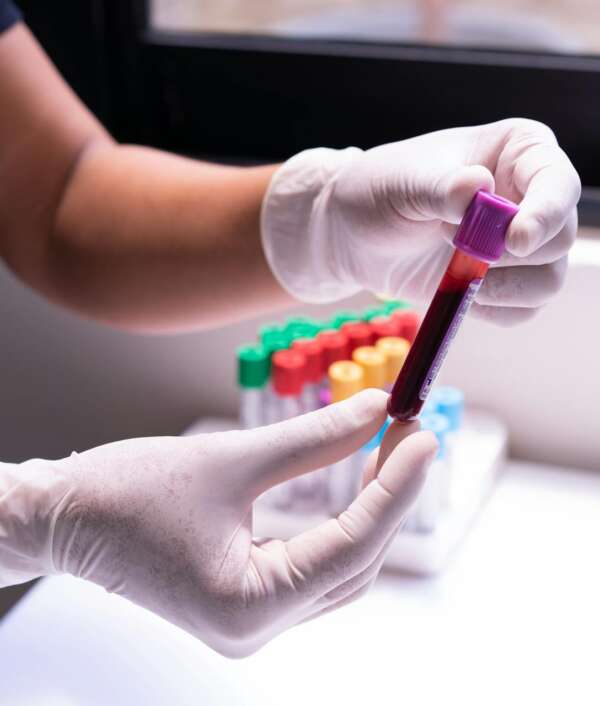

What to do with a positive result?
A positive test result is no reason to panic – many sexually transmitted infections are treatable.
We advise you to proceed as follows:
- Seek medical advice
- Start therapy early
- Inform sex partners
- Perform control tests
Timely treatment can prevent complications and effectively contain infections.
It is important that partners should also get tested in such cases.
Protection and prevention
An STD screening is only part of preventative care. It is equally important to actively prevent infections and to focus on protection and prevention:
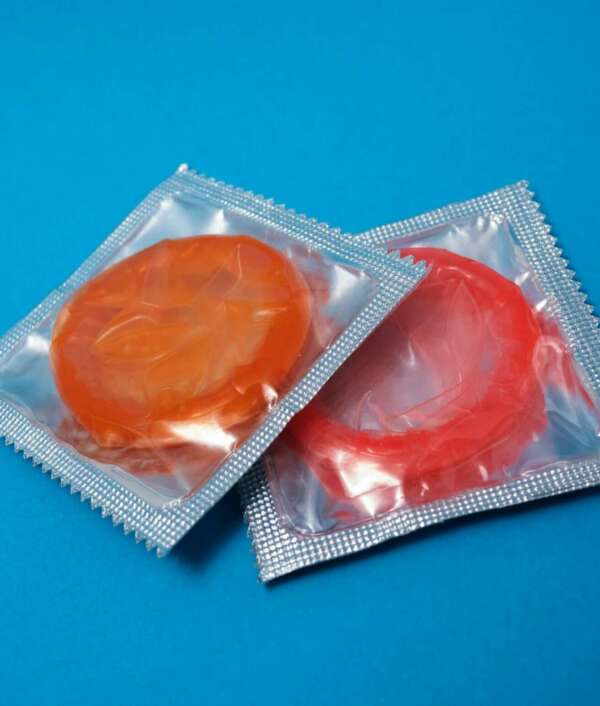
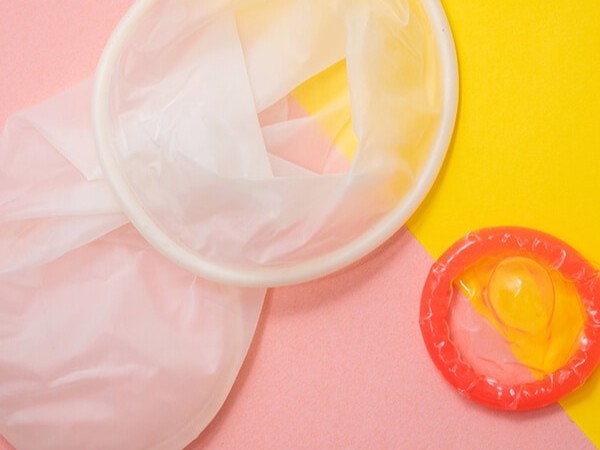
- Using condoms (safer sex)
- Lick mats (Safer sex)
- regular tests where there is a risk
- Vaccinations (e.g. HPV, Hepatitis A and B)
- Avoiding contact with infected blood
Condoms are available for free collection at the Johann Strauss Pharmacy.
Even modern preventative measures like HIV PrEP and PEP can offer additional protection for your health:
- With HIV-PrEP This is pre-exposure prophylaxis, meaning a preventive measure. A medication is taken to protect against HIV.
- PEP in contrast, there is post-exposure prophylaxis. It is therefore given after unprotected sexual intercourse and aims to prevent bacterial STIs. However, PEP must be started as quickly as possible – ideally within 24 to 48 hours.
What you should know about sexually transmitted infections
Here is some information on the most common sexually transmitted infections:
Viral diseases
- HIV & AIDS: Human Immunodeficiency Virus (HIV), a virus that weakens the immune system and can lead to AIDS. With appropriate therapy and medication, HIV-positive people are not infectious.
- Genital herpes: Viral infection, causes painful blisters in the genital area, can occur in regular outbreaks. Genital herpes makes it easier to contract other STDs.
- HPV (Human Papillomavirus)Group of viruses that can cause genital warts and are linked to cervical cancer.
- Hepatitis B and CViral infections can cause inflammation of the liver and are transmitted through infected blood or sexual contact. They can have a wide range of symptoms, but are treatable with the right medication.
- Mpox (Monkeypox)Extremely rare infection with a virus related to the smallpox and cowpox viruses. The disease is notifiable and can lead to complications; protection is provided by the associated vaccination.
Bacterial diseases
- Gonorrhoea (Gonorrhoea)Bacterial infection, affects the urethra, cervix, anus or throat. If gonorrhoea is not treated, it can lead to long-term complications.
- Chlamydiabacterial infection, can lead to inflammation of the genitals, often goes unnoticed and therefore untreated.
- SyphilisBacterial infection, can occur in various stages, can cause serious health problems if left untreated. It can be easily treated with antibiotics.
Further information



Frequently asked questions about STI/STD testing
Does an STD test hurt?
Usually not – most tests are low-pain and quickly completed.
How long do the results take?
Depending on the screening, a few minutes to a few days.
Can I test anonymously?
Yes, discreet and confidential execution is possible upon request.
Do I need to prepare?
No, in most cases, no special preparation is necessary.