Tick vaccination in Austria: Current information
Ticks in Austria and their importance
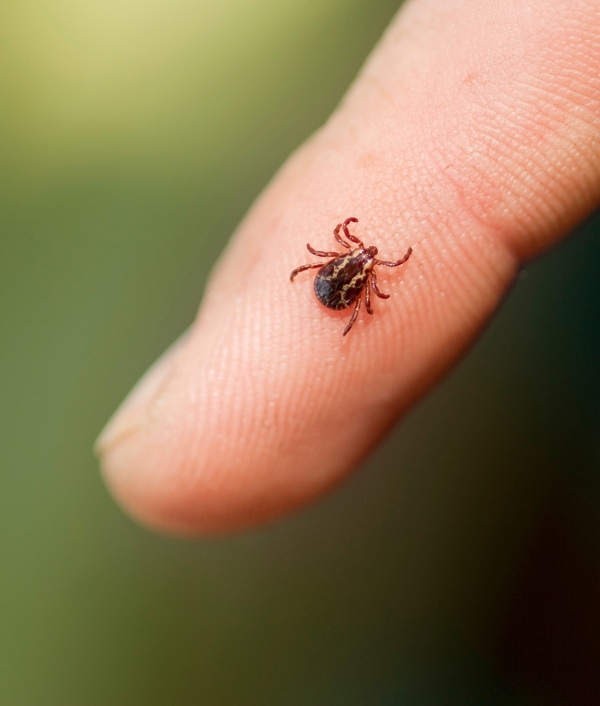
Ticks are widespread in Austria and are active in spring, summer and autumn. As soon as it gets warmer outside (from approx. 7 °C), they leave their winter quarters and wait for a host in the tall grass, leaves or undergrowth. They lurk close to the ground and can stick to clothing as you walk past. This is why children playing in the grass or undergrowth are particularly at risk.
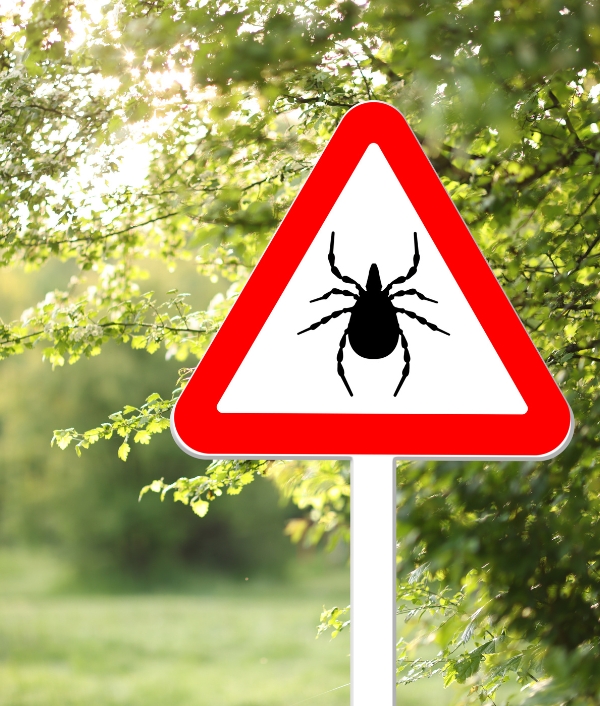
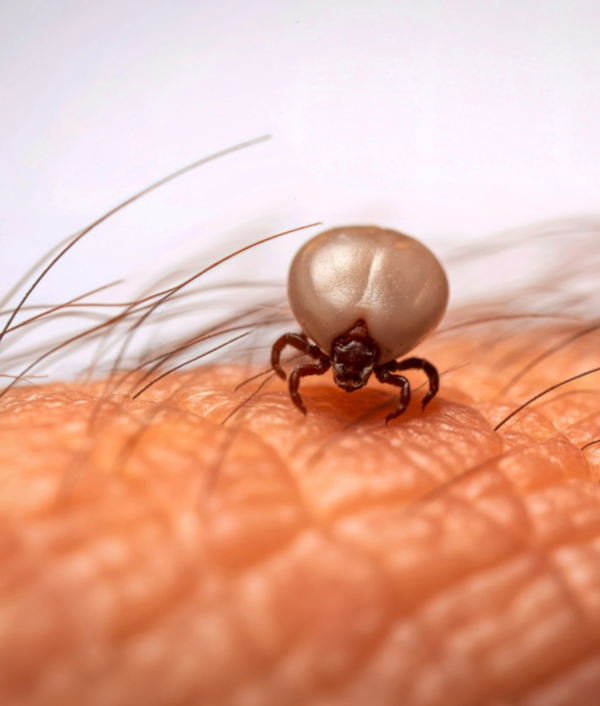
They can be found in forests and meadows, but also in parks, gardens and even at higher altitudes above 1000 metres. They can remain active even in mild winters. Austria is considered a risk area - infected ticks can be found in all federal states. Tick bites are therefore not harmless: infected animals most frequently transmit borrelia (Lyme disease) and TBE viruses, which can lead to serious illness in humans.
TBE and other tick-borne diseases
Tick-borne encephalitis (TBE) is an inflammation of the meninges caused by a virus that can occur after an infected tick bite. After initial flu-like symptoms, inflammation of the brain or spinal cord can occur - severe cases sometimes lead to paralysis or even death. TBE is usually milder in children than in adults. There is no causal therapy; symptoms are only treated as a supportive measure.
Borreliosis (Lyme disease) is caused by bacteria (borrelia) and is often characterised by a ring-shaped reddening of the skin around the bite („migratory redness“). With antibiotics, it usually heals without consequences. Vaccination against TBE is possible, but not against Lyme disease. Other tick-borne diseases that are very rare in Austria include babesiosis (protozoa) and various rickettsial infections - these have so far only occurred here in isolated cases.
Tick vaccination - procedure, effectiveness and recommendations
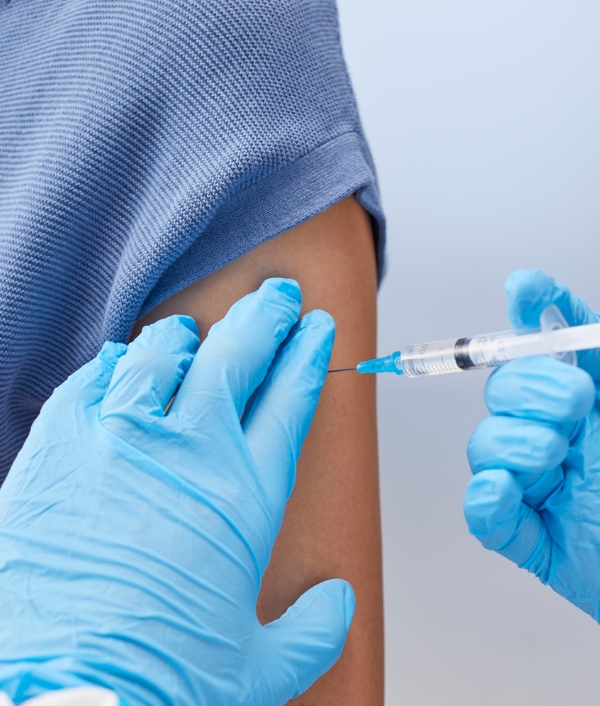
The TBE vaccination is an active vaccination with inactivated viruses and protects against all known TBE virus variants. In Austria, it is recommended for all persons over the age of one. Basic immunisation is carried out in three stages: the second partial vaccination follows around one to three months after the first, the third around five to twelve months later. The first booster is due three years after completion of the basic immunisation, after which a booster must be given every five years (every three years from the age of 60).
Ideally, vaccinations should be given in winter (January/February) in order to build up full protection before the tick season begins. The TBE vaccination is considered to be well tolerated and highly effective. However, it does not provide protection against Lyme disease or other tick-borne infections, which must therefore continue to be monitored.
Vaccination campaigns and reimbursement of costs in Austria
In spring, Austria traditionally launches a comprehensive TBE vaccination campaign. Since 1981, health authorities and doctors have been calling on people to get vaccinated before the start of the season. In principle, you have to pay for the vaccination yourself as it is not included in the free vaccination programme. The health insurance company grants all insured persons a fixed subsidy, which is often deducted directly at the time of vaccination. If not, it can be applied for retrospectively.
Our pharmacy in 1040 Vienna is happy to support youWe provide personalised advice on TBE vaccinations, check your vaccination status, provide information on the correct dosage and vaccination schedule and help with questions about reimbursement. This will ensure that you start the tick season on time and optimally protected.