
The key to healthy skin: tips for optimal skin health
Skin health is important for various reasons and plays a crucial role in your health and well-being. With the right care and optimum protection, we can maintain our skin health and prevent skin problems. Look after your skin - because you are worth it.


At 1.8 square metres, the skin is the largest organ in the human body and fulfils a variety of functions. These include
- Protection against external influences such as microorganisms, chemicals and UV rays
- Regulation the body temperature
- Perception of Touch stimuli
- Excretion of waste products through sweating
These are our 4 tips on what you can do for your skin health:
- Operate Customised skin care
- Nourish You are balanced
- Sleeping You sufficiently
- Minimise the contact with harmful substances
Regular skin examinations and protection from harmful UV rays with an adequate sun protection factor are also crucial for preventing skin problems and maintaining your skin health.
We provide personalised and expert advice on skin health and take time to consider the special features of each skin type. Our carefully selected range of cosmetics offers the optimum care for every skin type.
What does skin care mean?
Skin care refers to the measures and practices used to maintain and improve the health, appearance and integrity of the skin. It encompasses a range of routines and products designed to help the skin
- to clean
- to moisturise
- to protect
- to repair
Skin care can help protect the skin from external damage such as sun exposure, pollution and chemical irritants and reduce the appearance of acne, blemishes, wrinkles and other skin problems, thus improving and maintaining your skin health.
A good skincare routine can vary depending on skin type and individual needs. It can include cleansing, exfoliating, moisturising, the use of serums and masks as well as sun protection. Skin care products can contain both natural ingredients and chemical compounds that help to nourish, repair and keep the skin healthy.
It is important to note that each skin type has different needs and therefore it is advisable to choose products and routines that are specifically tailored to your skin's own requirements.

How does the right skin care work?
A proper skincare routine can vary depending on skin type and individual needs. However, there are some basic steps that should be included in an effective skincare routine:
Cleansing the skin
Cleansing the skin removes dirt, excess oil and impurities that have accumulated during the day. To do this, use a gentle cleanser that is tailored to your skin type so as not to irritate or dry out the skin.
Remove dead skin with the right exfoliator
Exfoliation helps to remove dead skin cells and promote cell renewal. This can make the skin look brighter and smoother. Choose an exfoliating product that suits your skin and do not use it more often than recommended to avoid irritating the skin.
Moisturising: don't let your skin dry out
A moisturiser keeps the skin hydrated and protects it from dryness. Choose a moisturiser that is suitable for your skin type and apply it regularly, especially after cleansing or exfoliating.
Sun protection: not just in summer
Protection from UV rays is crucial to reduce skin damage, premature skin ageing and the risk of skin cancer. Use a daily sunscreen with an appropriate SPF value that protects against UVA and UVB rays.
Specific treatments
Depending on specific skin concerns or needs, specialised treatments such as serums, masks or acne treatments can be incorporated into your routine. Choose products that are suitable for your specific concerns and use them according to the instructions.
A healthy lifestyle for healthy skin
A balanced diet, sufficient sleep, adequate fluid intake and refraining from smoking can also have a positive influence on the health of your skin.
Tip: It is important that you regularly adapt your skincare routine and customise it to your individual needs in order to achieve optimal results.
The most common skin types
Do you know your personal skin type? It's as simple as that:
Oily skin
- tends to produce excess sebum, which leads to shiny skin or can cause acne
- requires moisturising care and products that Regulate sebum production
Dry skin
- Tends to dryness, dandruff and feelings of tightness
- requires moisturising products with rich oils and Moisture barriers
Normal skin
- balanced skin condition with a healthy moisture balance
- requires a regular Moisturising care to maintain the balance
Combination skin
- Combination of oily and dry areas on the skin
Typically oily T-zone (forehead, nose, chin) and dry cheeks - needs a Differentiated care with mattifying products for oily areas and moisturising products for dry areas
Sensitive skin
- Reacts easily to external stimuli such as fragrances, chemicals or environmental pollution
- therefore also tends to redness, irritation and itching
- needs gentle products without irritating ingredients and a Mild, soothing care

Complaints and symptoms of skin problems and skin diseases
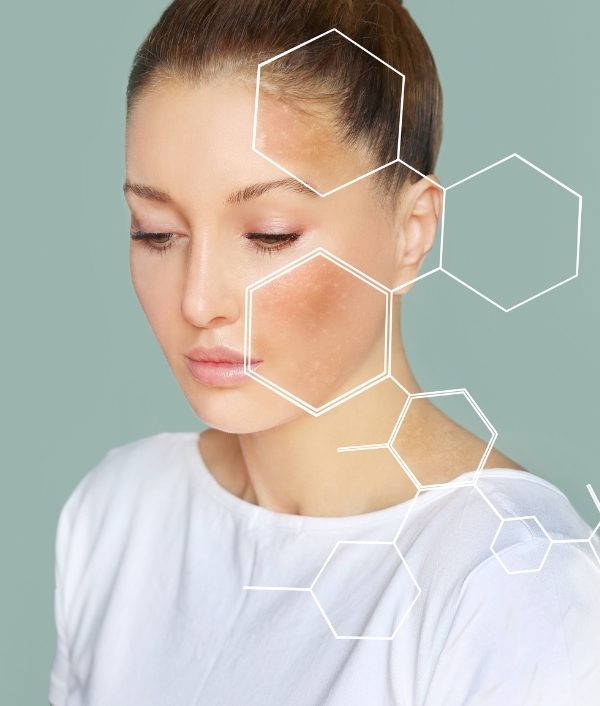
Your skin itches, burns, has Stains or forms Bubbles?
Then you may have one of the most common skin diseases.
These dermatological diseases have different causes, symptoms and treatment options. If you have any questions or uncertainties, please contact our team, a dermatologist or your general practitioner.
- Acne: An inflammatory Disease of the sebaceous glands, which leads to spots, blackheads and reddening of the skin.
- Eczema (dermatitis)Inflammatory skin diseases that Redness, itching, scaling and sometimes blistering can cause.
- Psoriasis (psoriasis)A chronic autoimmune disease characterised by accelerated production of skin cells, resulting in scaly, silvery patches of skin.
- RosaceaOne Chronic skin disease, which is characterised by redness, inflamed nodules and visible blood vessels on the face.
- Skin cancerA malignancy caused by abnormal cell growth in the skin, including basal cell carcinoma, squamous cell carcinoma and melanoma.
- Warts (verrucae)Viral infections of the skin that can lead to small, hard growths, often on the hands, feet or in the genital area.
- Fungal skin infections: Infections of the skin caused by fungi, including ringworm, athlete's foot and yeast infections.
- Skin allergiesReactions of the skin to certain substances or allergens, which can lead to redness, swelling, itching or skin rashes.
- Contact dermatitis: An inflammatory Reaction of the skin to substances, with which it comes into contact, such as cleaning agents, cosmetics or metals.
- Neurodermatitis (atopic dermatitis)A chronic, itchy skin condition that often runs in families and is characterised by dry, reddened skin.
- Skin infectionsInfections of the skin caused by bacteria, viruses, fungi or parasites, such as impetigo, herpes, ringworm or scabies.
- Erysipelas (erysipelas)One bacterial skin infection, characterised by sudden redness, swelling and pain, often accompanied by fever and malaise.
- Chickenpox (varicella)One Highly contagious viral disease with an itchy rash of small red blisters, accompanied by fever and fatigue.
Good to know: 4 main care features
The right skin care in winter
In winter, it is important to Protect skin from dryness. Use moisturising products and wear moisturisers regularly. Sun protection as UV rays can also damage the skin in winter. Avoid hot showers and make sure you eat a balanced diet and drink enough fluids.
Protect your own skin health in summer too
Sun protection is essential in summer. Apply sunscreen with a high sun protection factor every day and Avoid excessive exposure to the sun. Wear light, breathable clothing and care for your skin after sunbathing with moisturising products.
Men's skin needs a lot of attention
Men's skin needs special care, especially after shaving. Cleanse the skin thoroughly, use sharp blades and Soothing moisturisers. Avoid excessive alcohol and nicotine consumption, as these can have a negative effect on the skin.
Which parts of the body our skin is particularly sensitive to
The following require special attention Face, Hands, Feet, Eye area, Elbow, Knee and Lips. Maintain these areas regularly with suitable products and avoid dryness and cracking.

Skin analyses in the Johann Strauss Pharmacy
Do you want to do something good for you and your skin? Then come to the Johann Strauss Pharmacy for a skin analysis. With the special Skinscope and the experience of our team, we will find out more about your skin - and talk about possible skincare products and routines.
The 4 steps of skin analysis
In our consultation, we focus on the following four key areas:
- Skin type: What are the characteristics of your own personal skin type?
- Skin condition: How is your skin at the moment?
- Skin problems: Are there any current illnesses or other problems?
- Treatments & cosmetics: What can we do to keep or make our skin healthy?
The right cosmetic products for your skin health
We offer high-quality cosmetics from a wide range of manufacturers - so the Johann Strauss Pharmacy has the right skincare product for every skin type.
- Dermasence: Specialist for Medical skin care Developed in collaboration with dermatologists
- La Roche-Posay100 % allergy-tested products for sensitive skin (gentle formula with as few preservatives as possible)
- Eucerin: Scientifically based skincare that combines clinically proven active ingredients for different skin problems and is particularly kind to the skin
- Our own organic cosmetics brand: Natural and sustainable ingredients, certified organic quality, free from synthetic fragrances and colourants as well as aggressive chemicals, for gentle and effective care
Questions & answers about skin health
What skin diseases are there?
How can the Johann Strauss Pharmacy help me with skin diseases?
What does alkaline, probiotic and peptide skincare mean?
How do I recognise skin diseases?
If necessary, we will refer you to a specialist.
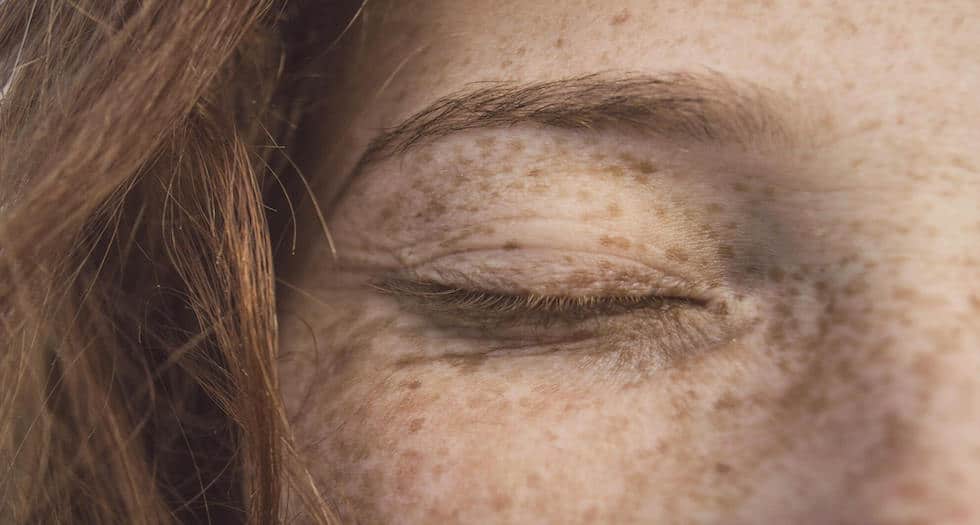
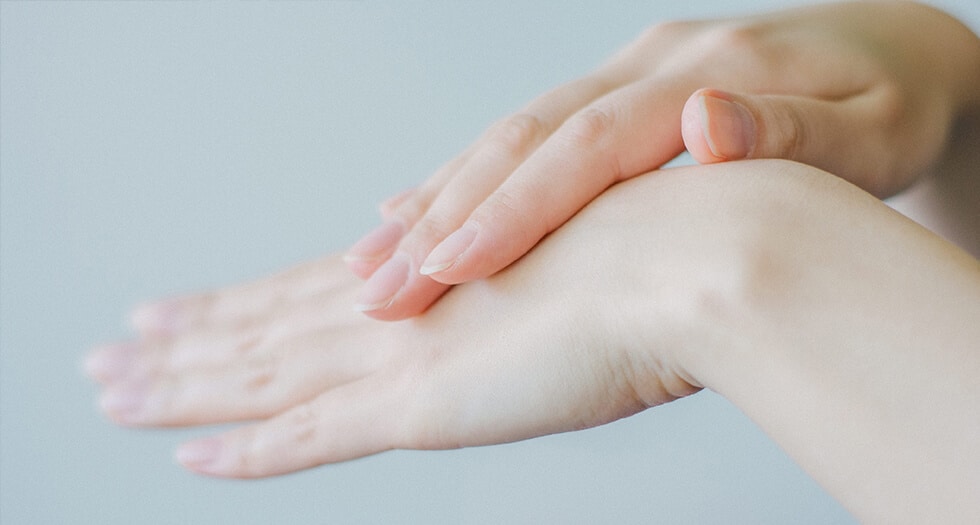
Skin health is one of our specialities: We help you with expert advice, have the right skincare products and provide you with tips for healthy, radiant skin.
Book a professional skin analysis with personalised advice right now.