
HIV Post-Exposure Prophylaxis (HIV-PEP)
Why every hour counts after a high-risk contact
HIV post-exposure prophylaxis (HIV PEP) is an emergency medication treatment that can significantly reduce the risk of HIV infection following potential exposure to the HI virus. However, timing is crucial: the sooner treatment begins, the better the chances of success. Therefore, in the event of HIV risk exposure, do not delay – seek immediate medical attention. Find out when HIV PEP is an option, how it works, and what steps are important in an emergency.
What is HIV PEP
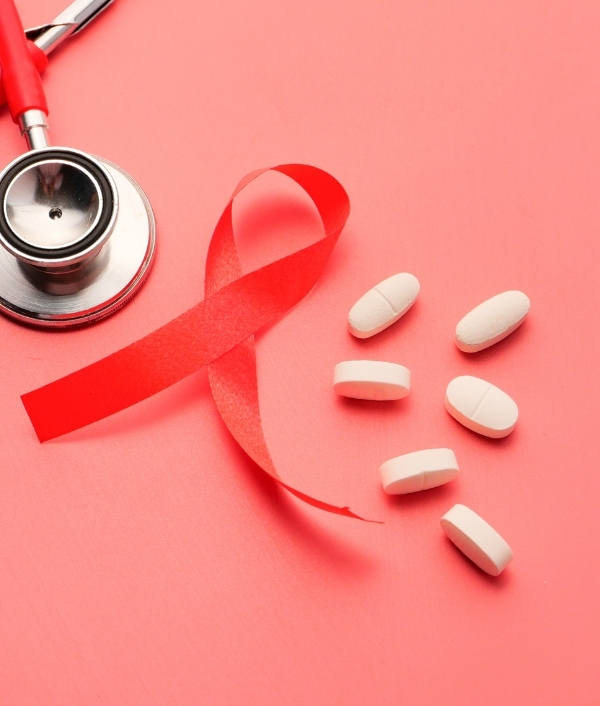
HIV post-exposure prophylaxis (PEP) is a preventive treatment after possible contact with the HIV virus. It combines several antiretroviral medications to prevent the virus from establishing itself permanently in the body.
The treatment typically lasts 28 days and should be started as soon as possible. It is exclusively for prevention after potential HIV exposure and is not a therapy for an existing HIV infection.
Why every hour counts
The effectiveness of HIV PEP depends crucially on how quickly it is started. Professional societies recommend starting the treatment within a few hours if possible, ideally within the first 24 hours. Some guidelines even state a start within two hours as optimal. HIV PEP should be started no later than 72 hours after the risk of exposure. After that, it is generally no longer recommended, as the virus may have already permanently infected the body.
Therefore, the following applies: In the event of a potential HIV risk exposure, you should immediately seek out an emergency department or an HIV specialist clinic.

When HIV PEP is advisable
Whether HIV PEP is recommended depends on the type of exposure and the individual risk of infection. A doctor makes the decision after a careful risk assessment. Possible situations include:
- Unprotected sexual intercourse with an HIV-positive or HIV-status unknown person
- Condom tear or failure with increased HIV risk
- Sexual violence
- Stab or cut injuries with potentially HIV-contaminated needles or instruments
- Contact between mucous membranes (e.g. the eye or mouth) and potentially infectious bodily fluids
If it is known that the HIV-positive person is on effective therapy and the viral load is permanently undetectable (U = U: Undetectable = Untransmittable), then, according to the current state of knowledge, there is no risk of HIV transmission during sexual contact. In such cases, HIV PEP is usually not necessary.
What to do after possible exposure to HIV
If you have had a potential high-risk exposure to HIV, you should not waste any time. The following is recommended:
- Clean and disinfect open wounds immediately with water
- Rinse the mucous membranes thoroughly with water
- Go to an A&E department or an HIV treatment centre immediately
- Have the situation assessed by a doctor
An HIV test is usually carried out before treatment begins. This serves as a baseline assessment and should not delay the start of HIV PEP.
How does HIV PEP work?
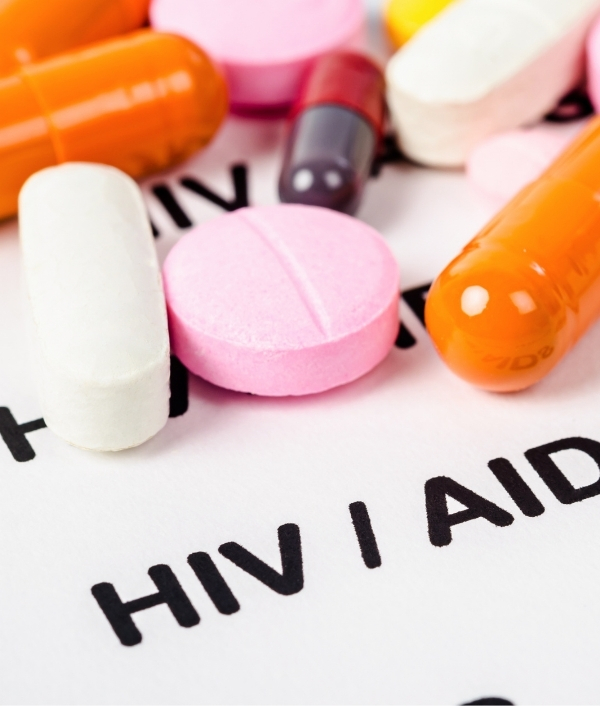
HIV PEP usually consists of a combination of two or three antiretroviral drugs, taken daily for 28 days. Medical check-ups are carried out during treatment to monitor for potential side effects and tolerance. The most common side effects include:
- Nausea
- Diarrhoea
- Tiredness
- Headache
Most complaints are temporary and treatable. After completing therapy, further HIV tests will be carried out – usually after about 4 to 6 weeks and again after 12 weeks – to reliably rule out an infection.
HIV PEP is no substitute for prevention
HIV PEP is an emergency measure and is not a substitute for proven protective measures. Comprehensive HIV prevention also includes:
- Condoms and safer sex
- Regular tests for HIV and other sexually transmitted infections
- Early treatment of STIs
- HIV PrEP (pre-exposure prophylaxis) for persistently increased HIV risk
Anyone who repeatedly requires HIV PEP should seek medical advice as to whether HIV PrEP might be a more suitable strategy for protection.
Conclusion on HIV PEP
HIV post-exposure prophylaxis is an effective emergency measure following a potential high-risk exposure to HIV – provided it is started in good time. As its protective effect diminishes with every hour that passes, medical assistance should be sought immediately in the event of a suspected exposure. However, HIV PEP is not a substitute for long-term prevention. Anyone who is frequently exposed to a risk of HIV should seek advice on additional protective measures such as HIV PrEP.
Advice at the Johann Strauss Pharmacy in Vienna
Do you have any questions about HIV PEP, HIV PrEP or HIV medication? We can offer you confidential advice on their use, possible interactions and supportive measures. If you suspect you have been exposed to a risk of HIV, please contact an A&E department or a specialist HIV treatment centre immediately, as every hour counts when it comes to the success of treatment.
Frequently asked questions about HIV PEP
How long after a high-risk exposure can HIV PEP be started?
Treatment should begin within a few hours if possible. As a general rule, it is no longer advisable to start treatment more than 72 hours after the exposure.
How effective is HIV PEP?
If started in good time and taken consistently for 28 days, HIV PEP can significantly reduce the risk of HIV infection. However, there is no such thing as 100 per cent certainty.
Do I have to take the medication for the full 28 days?
Yes. Taking the full course of treatment throughout the entire treatment period is crucial for the effectiveness of HIV PEP.
Does HIV PEP also protect against other sexually transmitted infections?
No. HIV PEP is effective only against HIV. It does not protect against other sexually transmitted infections such as syphilis, gonorrhoea or chlamydia.