Sexual health: HIV and STDs (sexually transmitted diseases)
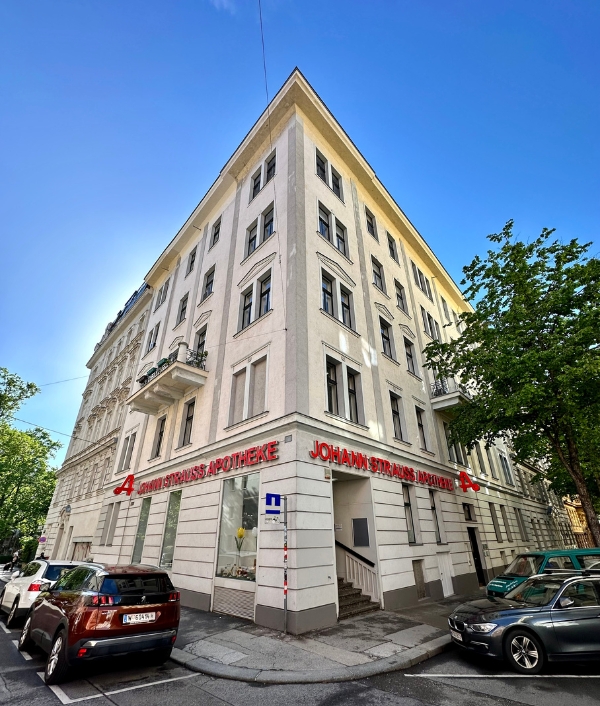
Welcome to the Johann Strauss Pharmacy Vienna - your point of contact for comprehensive counselling and prevention on HIV and sexually transmitted diseases (STDs). We offer you discreet and competent support. Visit us and benefit from our experience and extensive knowledge in the field of HIV prevention, HIV medication and STDs.
What do we mean by “sexual health”?
The World Health Organisation (WHO) defines sexual health as a state of physical, emotional, mental and social well-being in relation to sexuality. It does not only concern sexually transmitted infections (STIs) or diseases (STDs), but also refers to positive and respectful experiences in relation to sexuality and sexual relationships.
To do this, it is important to recognise and understand your counterpart. Because what suits one person does not necessarily apply to the next. Promoting sexual health helps to improve people's well-being and quality of life.
Sexuality is a very personal matter for many people, which makes it all the more important to have a “SAFE SPACE” where questions about the topic can be discussed in a private setting. To this end, we have created a place in the pharmacy where intimate matters can remain intimate.
Vienna speciality pharmacy for HIV & STDs
HIV and STIs can have serious health consequences, but with the right knowledge and preventative measures you can minimise your risk and protect your sexual health.
The Johann Strauss Pharmacy team will support you and offers the following services, among others:
- Fast and uncomplicated Medication with any type of STD
- HIV prophylaxis: HIV-PrEP and HIV-PEP (with recipe)
- health-related Accompaniment
- Sale of from HIV rapid tests incl. counselling
- free of charge Counselling sessions and information – anonymous & competent
Take advantage of the opportunity for a personal consultation
No question remains unanswered with us, we are happy to help. Book a consultation with our team right away and come to the Johann Strauss Pharmacy in 1040 Vienna - just a few minutes' walk from Vienna Central Station and Wiedner Hauptstraße.
Good to know: The top 3 questions about HIV & STDs
How are HIV and sexually transmitted diseases (STDs) transmitted?
HIV and STDs are mainly transmitted by unprotected sexual contact but also through the exchange of infected blood, sharing syringes or needles, and from mother to child during pregnancy, birth or breastfeeding.
Which behaviours increase the risk?
Risk behaviours include unprotected Sexual intercourse with multiple partners, frequent partner changes or intravenous drug use.
Why are testing and early detection important?
Testing and early detection are crucial in order to recognise an infection at an early stage and take appropriate measures. Through regular testing, infections can be treated and Prevents further transmissions become.
Early diagnoses also allow treatment to begin early, which minimises Healing prospects improved and complications are reduced.
Types of sexually transmitted diseases (STDs) - STDs
From bacterial infections to viral diseases - here are the most common STDs:
- HIV & AIDS: The human immunodeficiency virus (HIV) is a virus that weakens the immune system and can lead to AIDS (Acquired Immune Deficiency Syndrome). With appropriate therapy and medication, HIV-positive people are not contagious.
- Gonorrhoea (gonorrhoea): A bacterial infection that affects the urethra, cervix, anus or throat. If gonorrhoea is not treated, it can lead to Late effects come.
- Chlamydia: A common bacterial infection that leads to Inflammation of the genitals but in many cases remains undetected and therefore untreated.
- Syphilis: A bacterial infection that occurs in different stages and can cause serious health problems if left untreated. Antibiotics are an easy way to combat this.
- Genital herpes: A viral infection that causes painful blisters in the genital area and can occur in regular episodes. Genital herpes facilitates infection with other STDs.
- HPV (human papillomaviruses): A group of viruses that can cause warts in the genital area and are associated with cervical cancer. For everyone up to the age of 30, the HPV vaccination free of charge in Austria.
- Hepatitis B and C: Viral infections that can cause inflammation of the liver and are transmitted via infected blood or sexual contact. The disease can Various symptoms can be treated with the right medication.
- Mpox (monkeypox): An extremely rare infection with a virus that is related to the smallpox or cowpox viruses. The Illness is notifiable and can lead to complications; protection is provided by the corresponding vaccination.
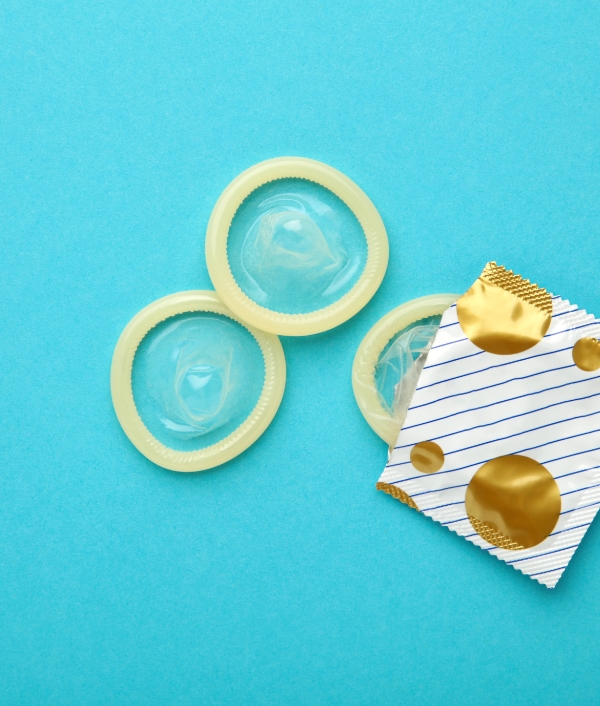
It is important that you know about STDs to minimise your risk and that of others and to seek medical help quickly if you are infected. Protective measures such as condoms and regular testing can help to minimise the spread of STDs and protect yourself.
Tip: Condoms are available free of charge at the Johann Strauss Pharmacy.
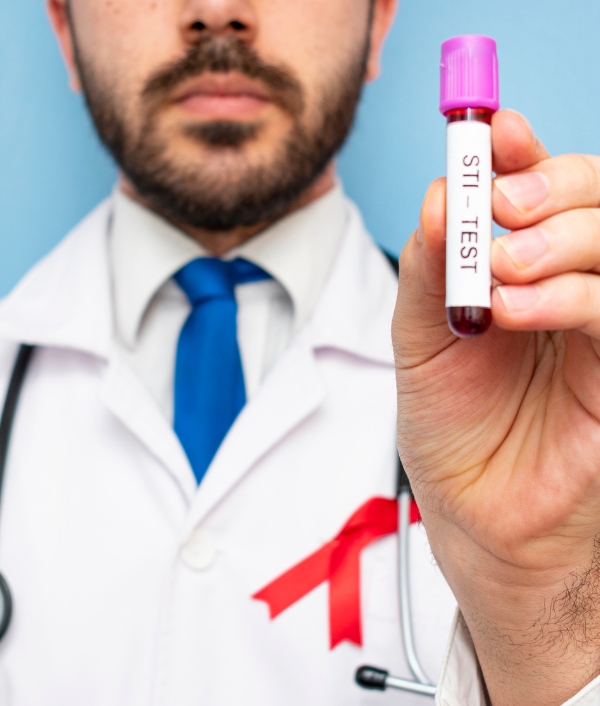

Symptoms and first signs of sexually transmitted diseases (STDs) - sexually transmitted diseases
The symptoms of HIV and STDs can vary and are often non-specific, which can make them difficult to recognise. Among the most common HIV symptoms include flu-like symptoms such as fever, sore throat and swollen lymph nodes, which can occur after infection.
STDs can cause a variety of symptoms, including unusual discharge from the genitals, pain when urinating, itching, burning or pain in the genital area and skin rashes or ulcers.
Please note: There are also sexually transmitted diseases that are accompanied by no or only very mild symptoms.
If you notice any of the symptoms or have had “high-risk contact”, it is always advisable to seek medical help or counselling. The earlier a disease is recognised, the easier it is to treat and the greater the chances of recovery.
HIV test offer
There are three ways to detect the HI virus:
- HIV rapid test: Test for self-application, which unfortunately does not provide 100 % correct results and only recognises an infection after three months. Always compare and combine with one of the other HIV tests.
- HIV antibody test: If the HI virus is present in the body, antibodies are formed which are detected by the test. However, an infection can only be detected after six weeks (“diagnostic window”).
- HIV-PCR test: The PCR test is faster and more accurate. An infection can be reliably recognised after just two weeks.
Know Your Status: HIV rapid test in the pharmacy
In the Johann Strauss Pharmacy HIV rapid tests are available. We will be happy to inform you about the test itself and any possible results - discreetly and absolutely anonymously.
Be sure to observe the limitations of the self-tests:
- none Absolute security
- both positive and negative Incorrect results are possible
- Diagnostic window of up to three months
- Always with antibody and/or PCR test combine
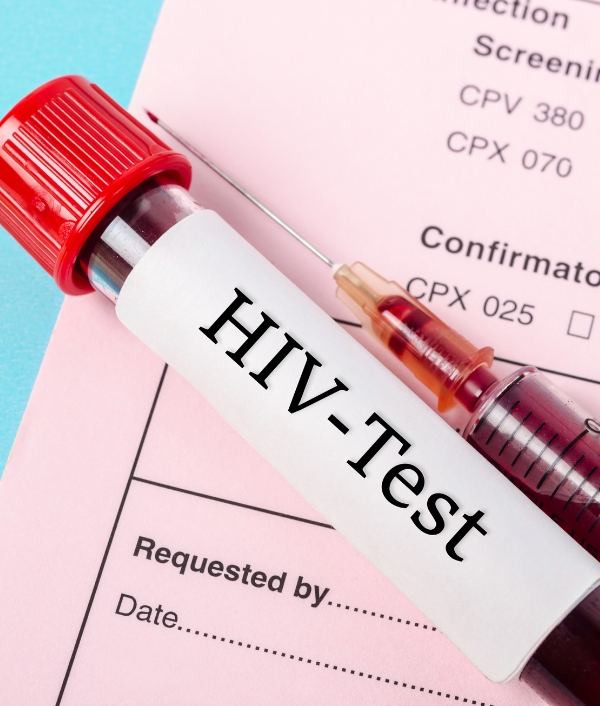
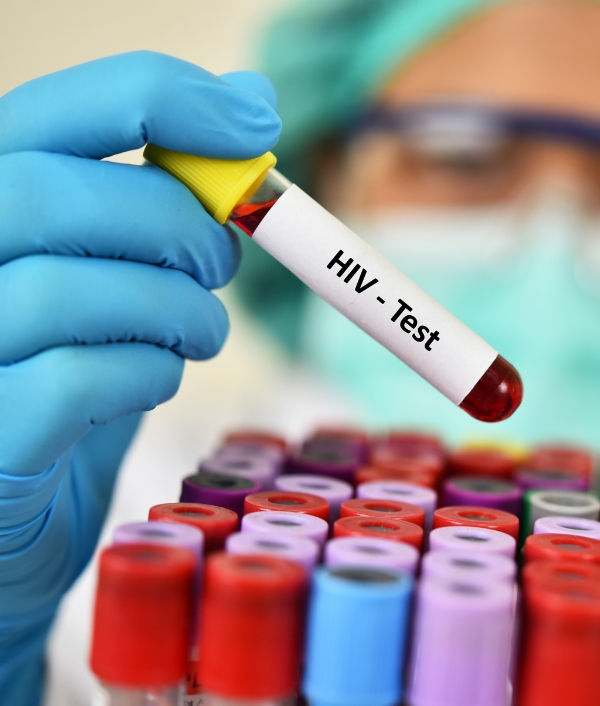
How to test for sexually transmitted diseases
HIV and all other sexually transmitted diseases can be diagnosed using blood tests. Your first point of contact is:
- General practitioner
- Dermatologist
They will give you a referral, which you can take to a laboratory - or the blood sample can be taken directly at the practice.
Further testing and counselling services in Vienna
Aids Hilfe Wien is the first point of contact for questions, support and care. You will find the centre in the 6th district, right next to the U6 underground station “Gumpendorfer Straße” (address: Mariahilfer Gürtel 4, 1060 Vienna). The services offered by Aids Hilfe Wien are absolutely free and anonymous.
The following doctors also specialise in topics such as HIV and STDs:
- Schalk:Pichler group practice, 1090 Vienna
- Dr Gerold Felician Lang, M.D. univ., 1070 Vienna
- Prof. Dr Alexander Zoufaly, 1060 Vienna
- Dr Christian Zagler, 1010 Vienna
- Dr Gottfried Mantler, 1040 Vienna
Other treatment centres and registered doctors can be found at the Austrian AIDS Society.
Questions & answers about STDs and HIV
Where can I test myself for HIV?
Do you offer HIV tests?
How much does an HIV test cost at the Johann Strauss Pharmacy?
Are there symptoms of HIV?
How long does an HIV test take?
What sexually transmitted diseases are there?
How can I become infected with sexually transmitted diseases?
How do I recognise sexually transmitted diseases?
Is HIV curable?
Which sexually transmitted diseases are curable?
Where can I get tested for sexually transmitted diseases in Vienna?
Which specialist is responsible for sexually transmitted diseases?
Where can I get tested for sexually transmitted diseases?
How can a pharmacy help me with sexually transmitted diseases?
If necessary, we will refer you to a specialist.
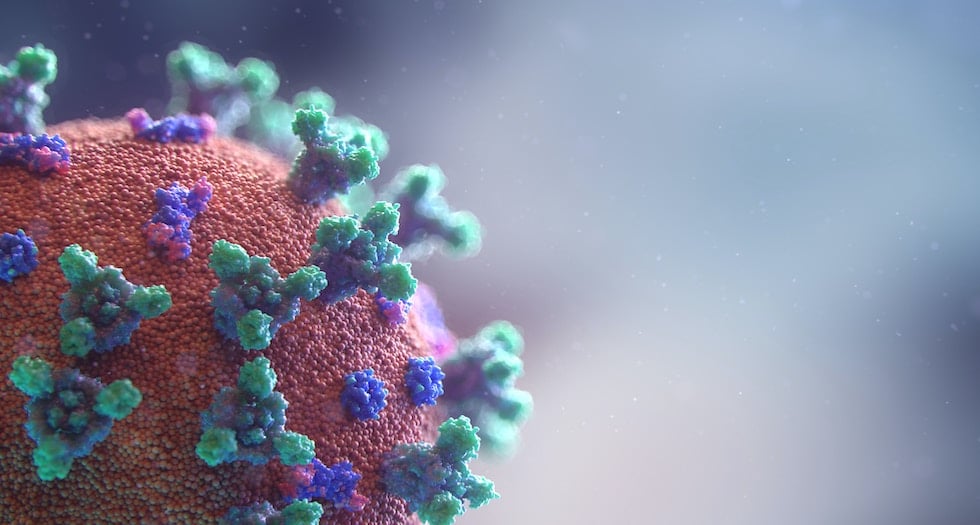
We know exactly what is important and are happy to answer all your questions personally. Whether it's about HIV, prevention & prophylaxis or sexually transmitted diseases in general - we will be happy to help you.
Book a free initial consultation now and take all your questions with you!