
Chlorine water and skin in summer
Why chlorine is important and how to protect your skin properly
A dip in the cool water is part of summer for many. To ensure bathing fun remains safe, swimming pool water is disinfected with chlorine because it reliably protects against bacteria, viruses and other pathogens, thus helping to prevent infections. At the same time, chlorine reacts with organic matter in the water and can affect the skin's natural acid mantle as well as parts of the skin's own fatty film.
The consequence: The skin loses moisture more easily, the skin barrier is temporarily weakened, and the skin can react more sensitively to external stimuli. While chlorine itself does not permanently damage healthy skin, discomfort can significantly increase with frequent bathing or if the skin barrier is already compromised.

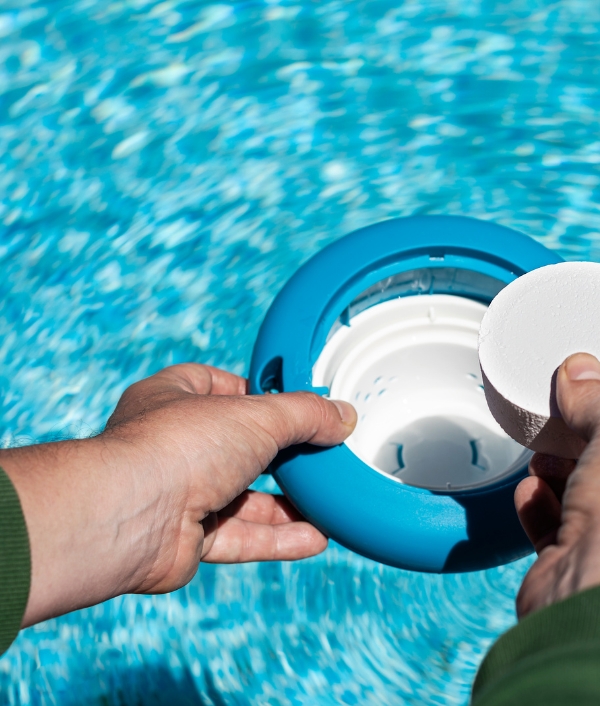
How the skin reacts to chlorine
Common complaints after swimming include dry, tight skin, mild flaking, itching, or slight redness. These reactions are usually due to irritation of the skin barrier and not a true chlorine allergy, which is extremely rare. People with eczema, sensitive skin, dry skin, psoriasis, or infants and young children, whose skin barrier is not yet fully developed, are particularly affected.
Chlorinated water in outdoor pools: skin care and when medical help is advisable
Frequent showering, hot water, intense sun exposure, wind, saltwater, and heavy sweating also put additional strain on the skin. If severe weeping eczema, pronounced swelling, blisters, pain or skin changes occur that persist for several days or worsen, this should be clarified by a doctor.
How to protect your skin before and after swimming
Good skincare begins even before bathing. A light, moisturising product can support the skin barrier and reduce water loss. After swimming, chlorine should be rinsed off as quickly as possible with lukewarm water. Harsh shower gels or frequent hot showers are rather counterproductive. Afterwards, gentle patting dry is recommended instead of vigorous rubbing, and moisturising promptly while the skin is still slightly damp. People with neurodermatitis or very dry skin particularly benefit from consistent basic care throughout the entire bathing season. Equally important are sufficient hydration, loose-fitting clothing, and consistent sun protection, as UV radiation further impairs the skin barrier.
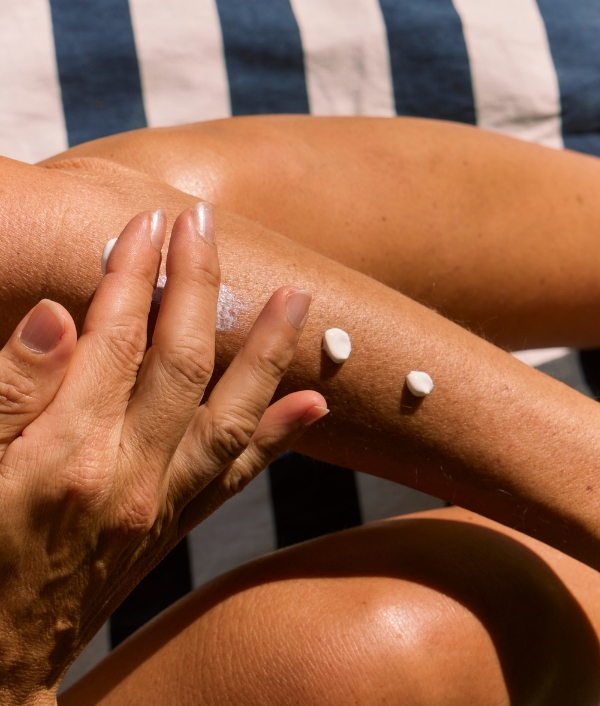
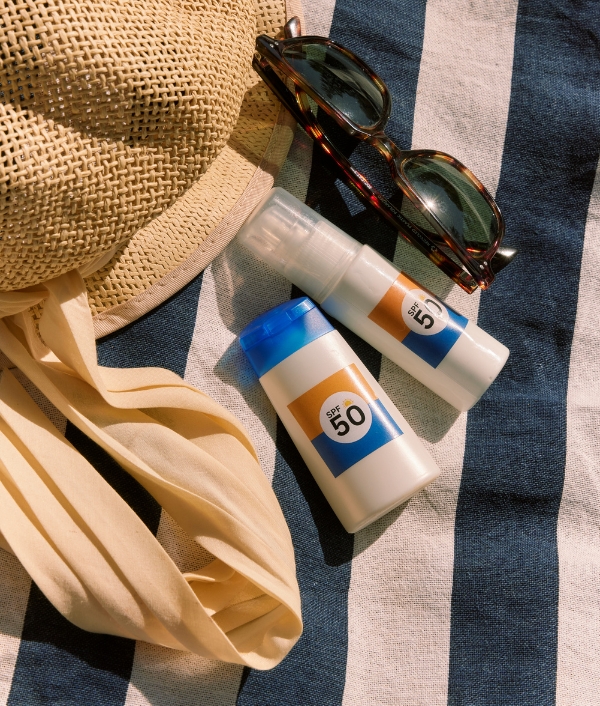
Which ingredients in your summer care are beneficial
In summer, a moisturising cream should primarily provide hydration, strengthen the skin barrier and soothe irritated skin. Ingredients such as glycerin, hyaluronic acid and urea (on intact skin) have proven particularly effective for hydration, as well as ceramides, which support the natural skin barrier. Panthenol, niacinamide, allantoin or oat extracts have a soothing effect and promote regeneration after bathing. In addition, broad-spectrum sun protection with at least SPF 30, or SPF 50+ for intense sun exposure, protects against UV-induced skin damage. If persistent skin irritation, severe eczema or uncertainty regarding product selection develop despite good care, your doctor or pharmacist will be happy to provide individual advice.